Part of Japanese Izakaya Food at Home: 10 Easy Recipes — compare them all
- Prep
- 45 min
- Cook
- 10 min
- Total
- 55 min
- Servings
- 3
- Difficulty
- Intermediate
What is Gyoza?
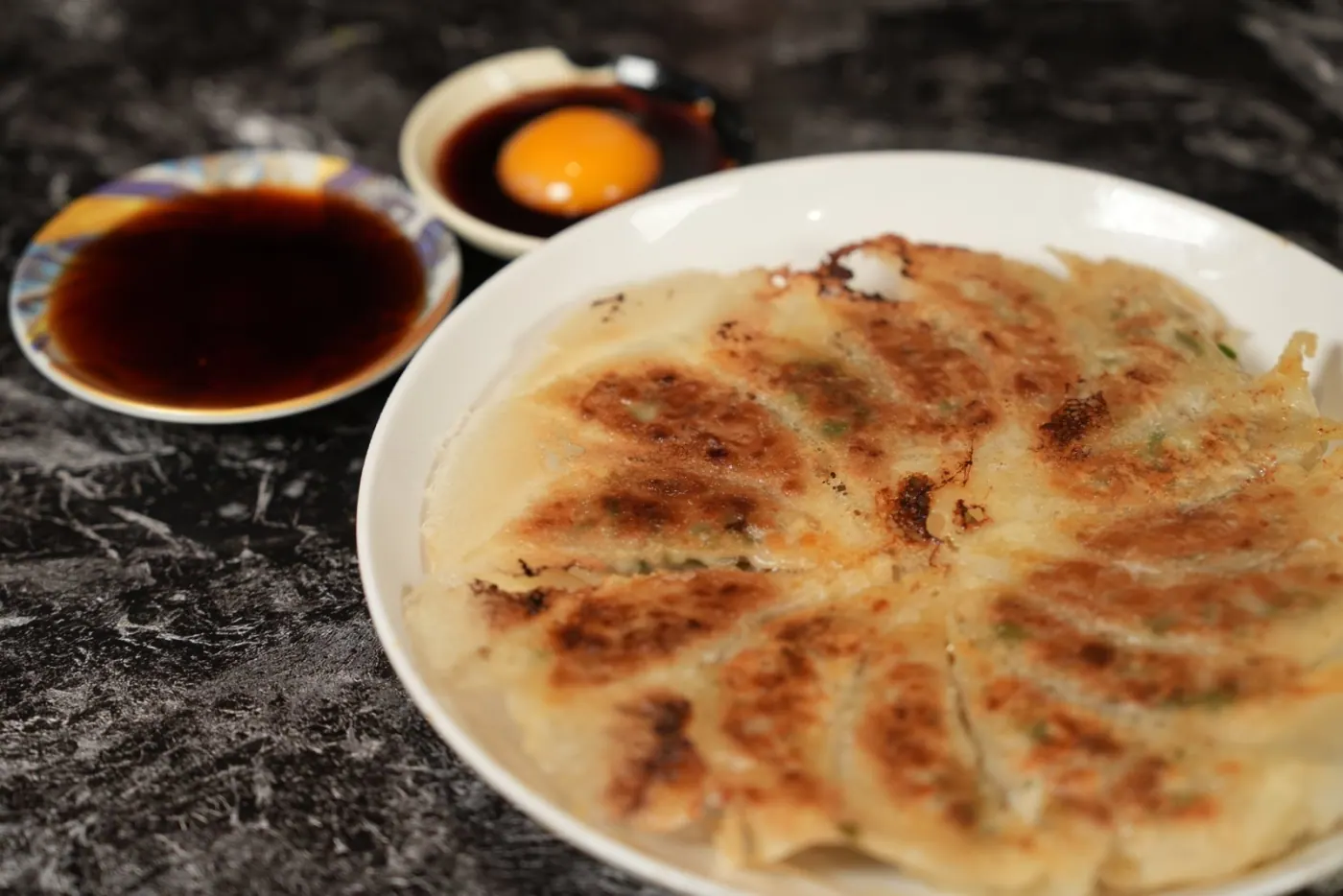
Gyoza came from China, and in Japan they became pan-fried dumplings with a crispy bottom and a juicy pork filling. This recipe uses two ingredients that make the filling extra juicy: beef fat and powdered gelatin, plus an easy way to wrap gyoza even if you've never pleated one before.
The amounts make about 30 gyoza. Wrapping that many takes a while, so it's a fun job to share with family.
Why You'll Love This Recipe
- Extra juicy filling - Beef fat adds juice and gelatin keeps it inside the dumpling
- Napa cabbage for moisture - It holds more water than regular cabbage
- Easy wrapping method - Wrap them on the board if pleating in your hand is hard
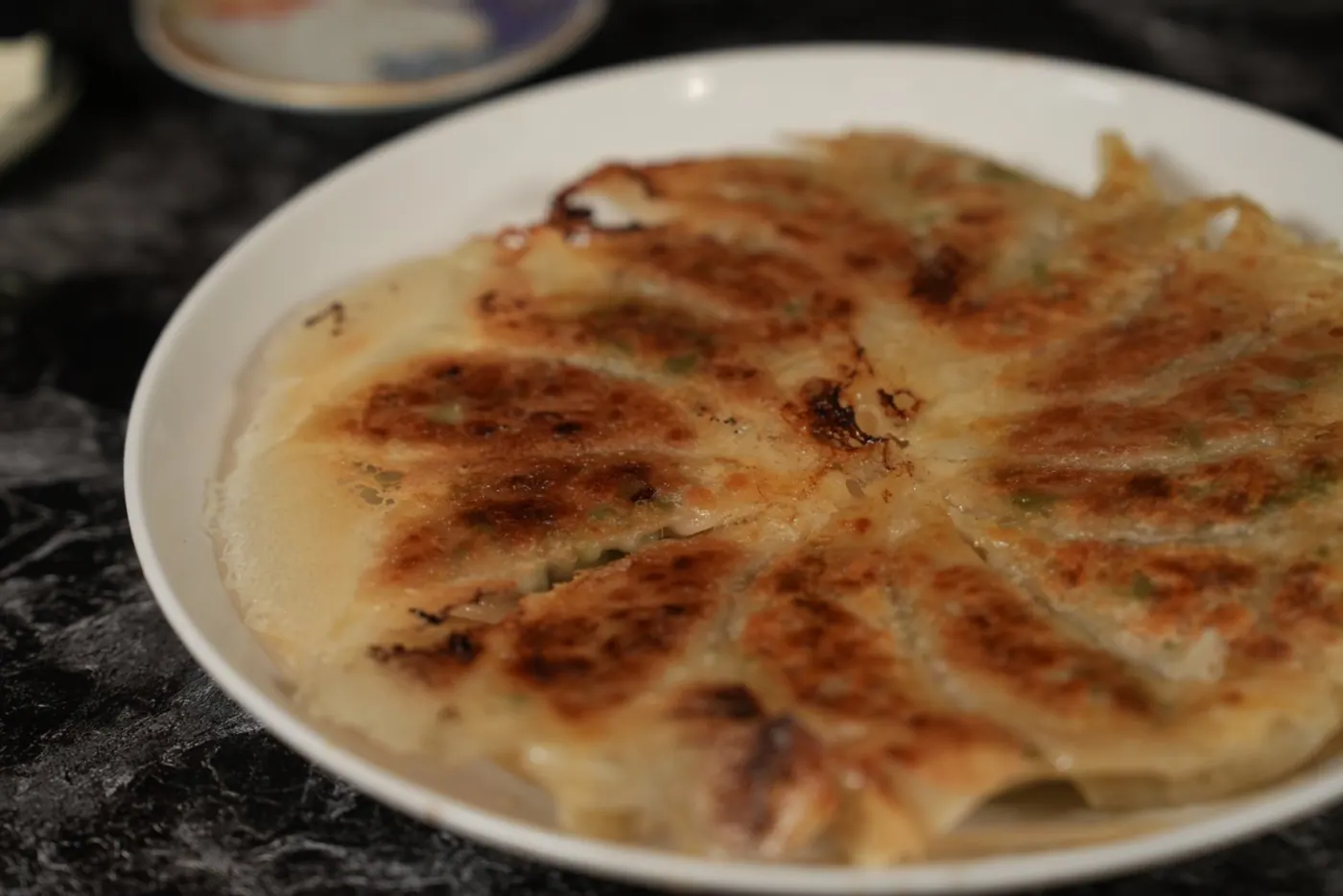
- Crispy bottoms - A little flour in the steaming water gives the gyoza a crisp finish
Key Points of This Recipe
- Chop the napa cabbage finely and rub it with salt to draw out its moisture
- Use beef fat at room temperature so it melts into the filling
- Seal the edges of the wrapper with water so there are no gaps
- Listen for the sound to change from bubbling to popping before you remove the lid
Required Equipment
- Large bowl
- Knife and cutting board
- Grater (for the ginger)
- Small bowl of water (for sealing the wrappers)
- Frying pan with a lid
- A plate larger than the frying pan (for flipping the gyoza out)
Gyoza Ingredients (Serves 3)
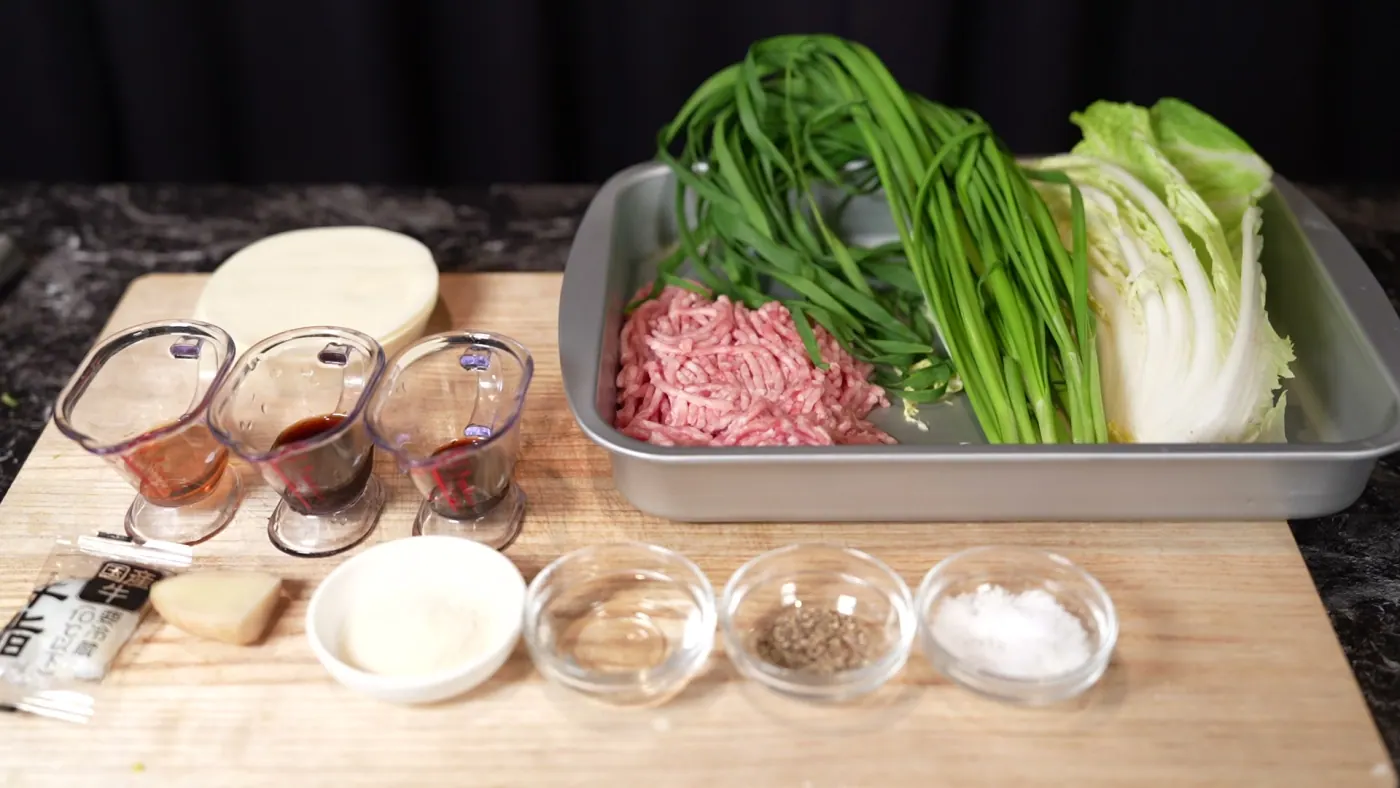
21 ingredients · 3 servings
Ground pork, napa cabbage, garlic chives, ginger, beef fat, powdered gelatin, salt, oyster sauce, soy sauce, sesame oil, sake, black pepper, gyoza wrappers, water, vegetable oil, all-purpose flour, vinegar, A little chili oil.
Full amounts in the recipe cardIngredient Substitutions
- Beef fat: Lard works too
- Napa cabbage: Regular cabbage works, but napa cabbage holds more water, which makes the gyoza juicier
- Sake: Dry white wine, or any sake with about 15% alcohol
- Gyoza wrappers: Thicker, larger wrappers are easier to fold
Video Tutorial
The video shows the hand-pleating method and the easy method on the board, and the sound to listen for while the gyoza cook.

How to Make Gyoza
Prep: Make the Filling
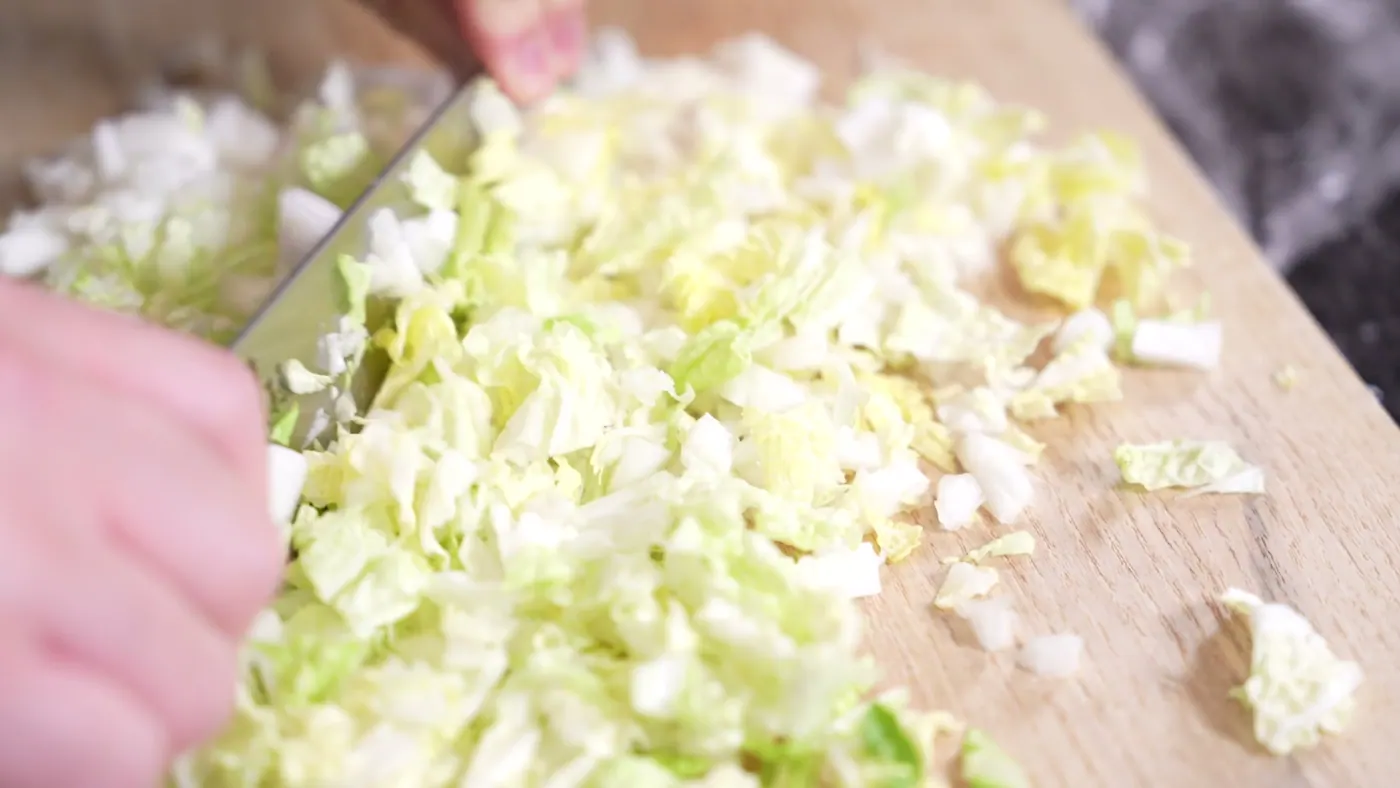
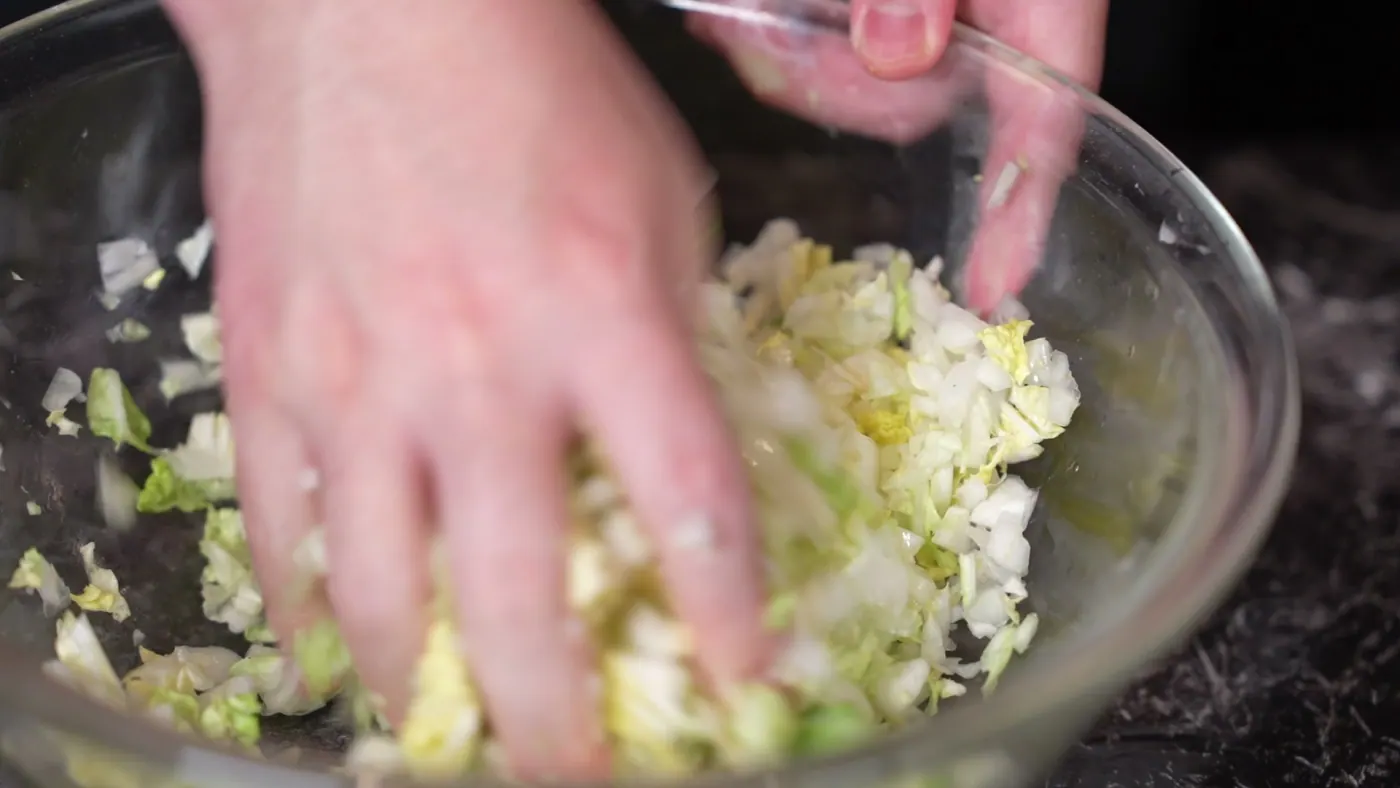
Finely chop the napa cabbage
Chop the napa cabbage into small pieces so it mixes well with the meat. The core is tough, so chop it even finer.
Rub the napa cabbage with salt
Put the napa cabbage in a large bowl, add 2 pinches of salt and rub it in lightly. The salt draws out the cabbage's moisture, which keeps the filling juicy. You don't need to squeeze out the water.
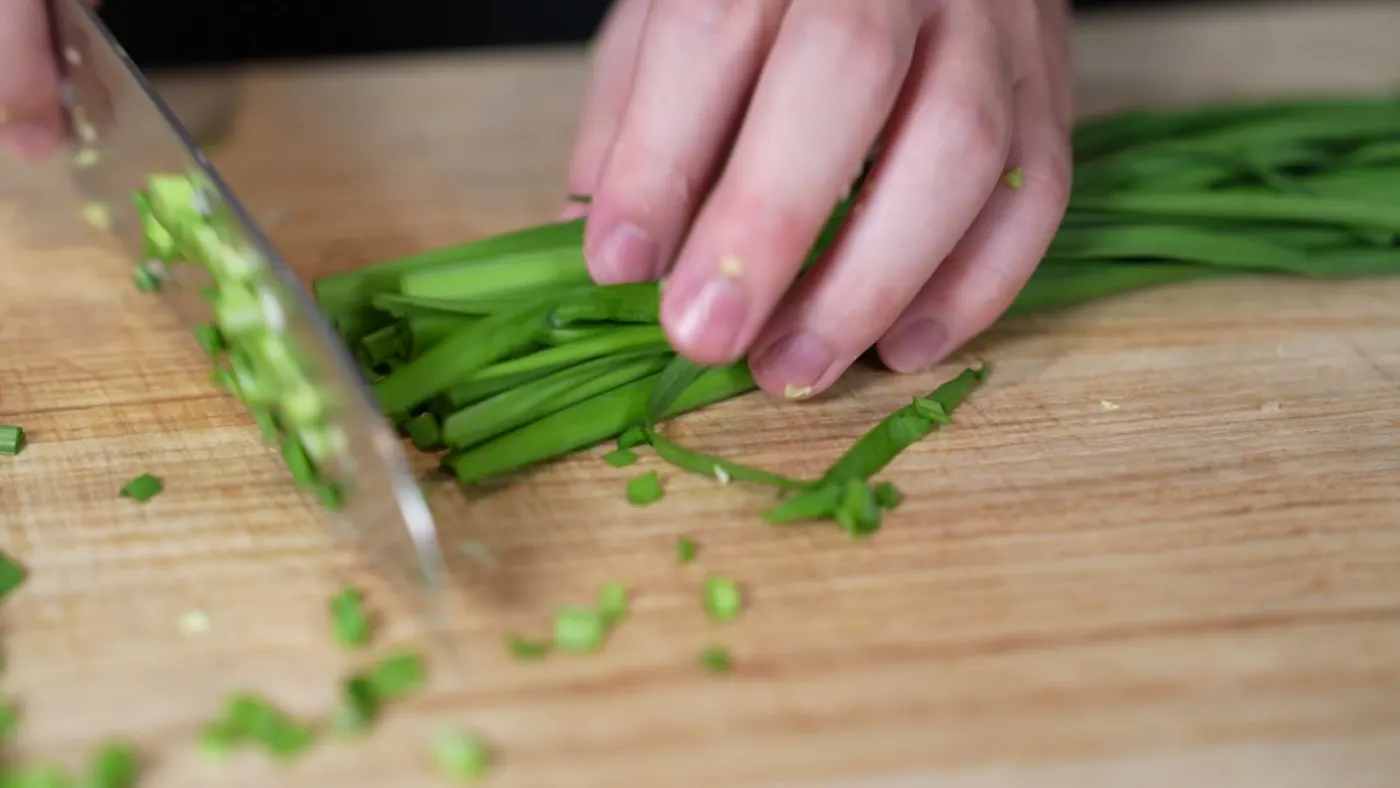
Chop the garlic chives
Cut the garlic chives into small pieces and add them to the bowl with the napa cabbage.
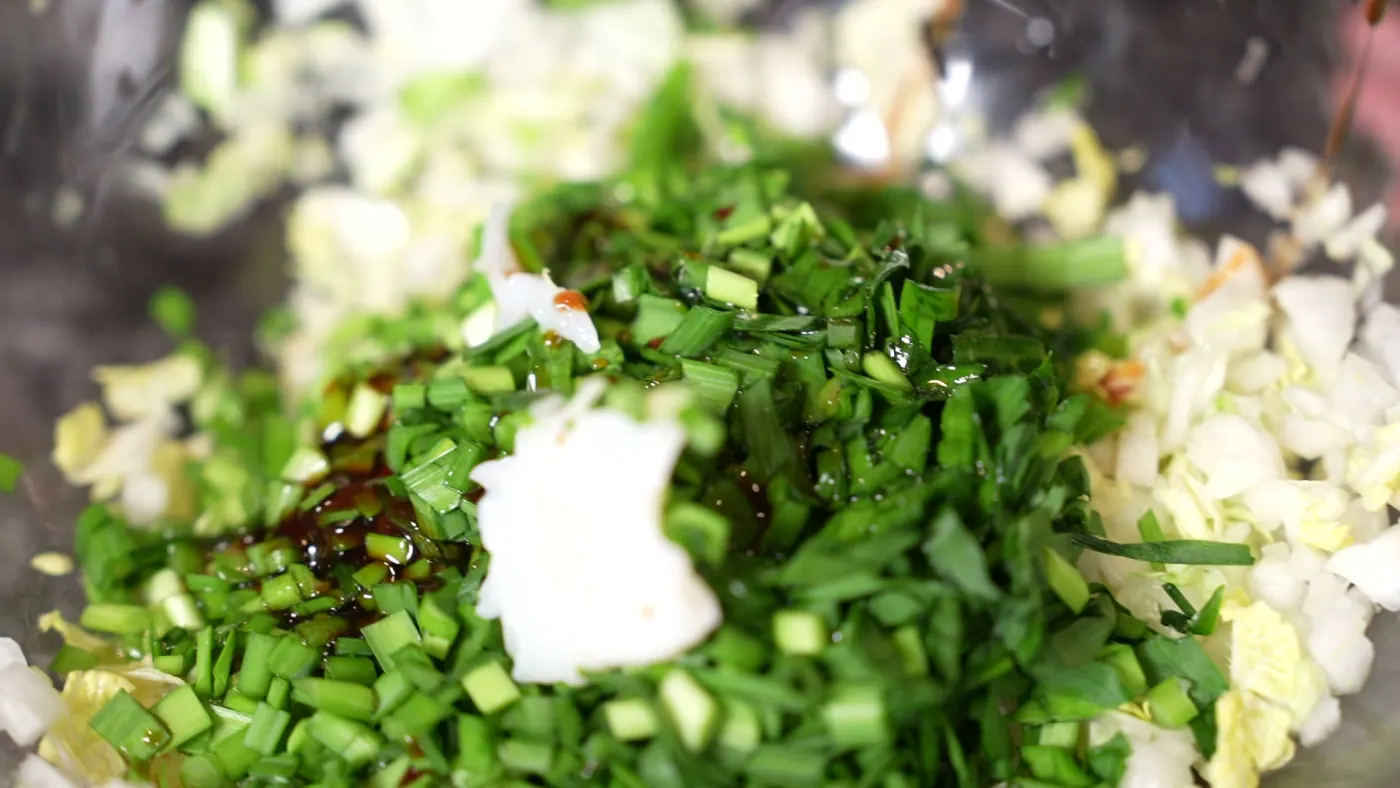
Add the beef fat and seasonings
Add the beef fat to the bowl. Use beef fat at room temperature so it melts easily. Then add the seasonings:
- 2 teaspoons oyster sauce
- 1 teaspoon soy sauce
- 1.5 teaspoons sesame oil
- 1 tablespoon sake
- Black pepper
Grate in 10g of ginger.
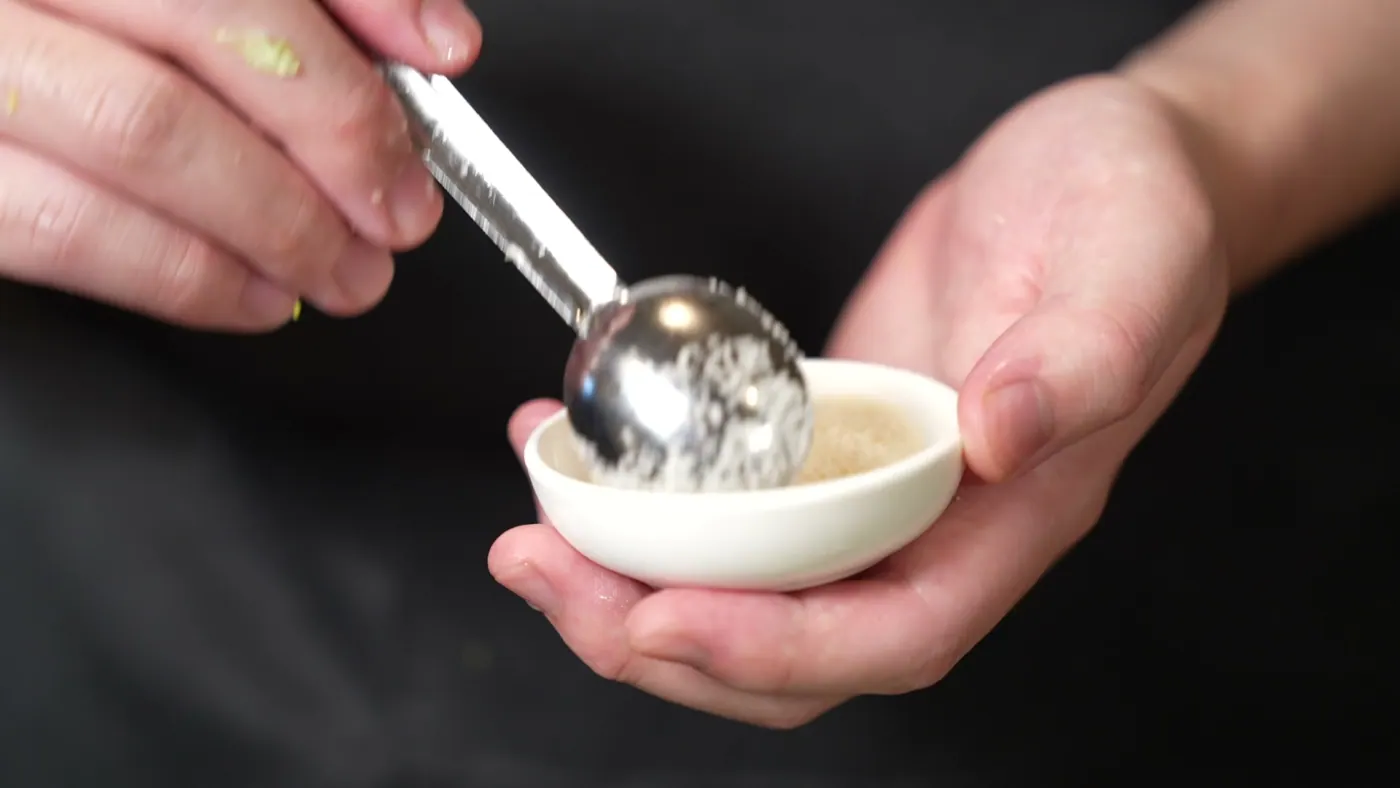
Add the gelatin
Finally, add 2 teaspoons of powdered gelatin.
Why beef fat and gelatin?
The beef fat adds more juice to the filling, and the gelatin thickens that juice so it stays inside the gyoza. Adding juice with the beef fat and keeping it in with the gelatin is the biggest feature of this recipe.
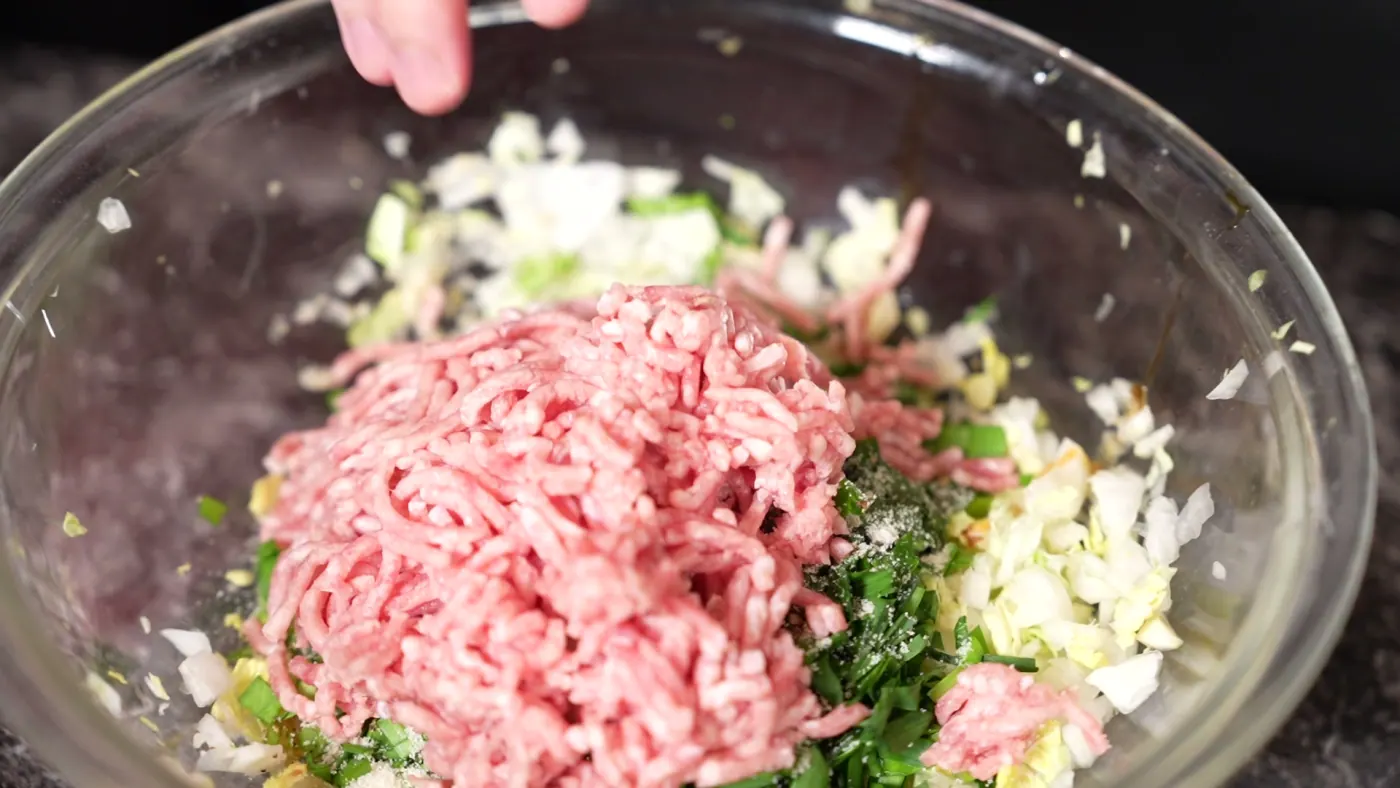
Add the ground pork and mix
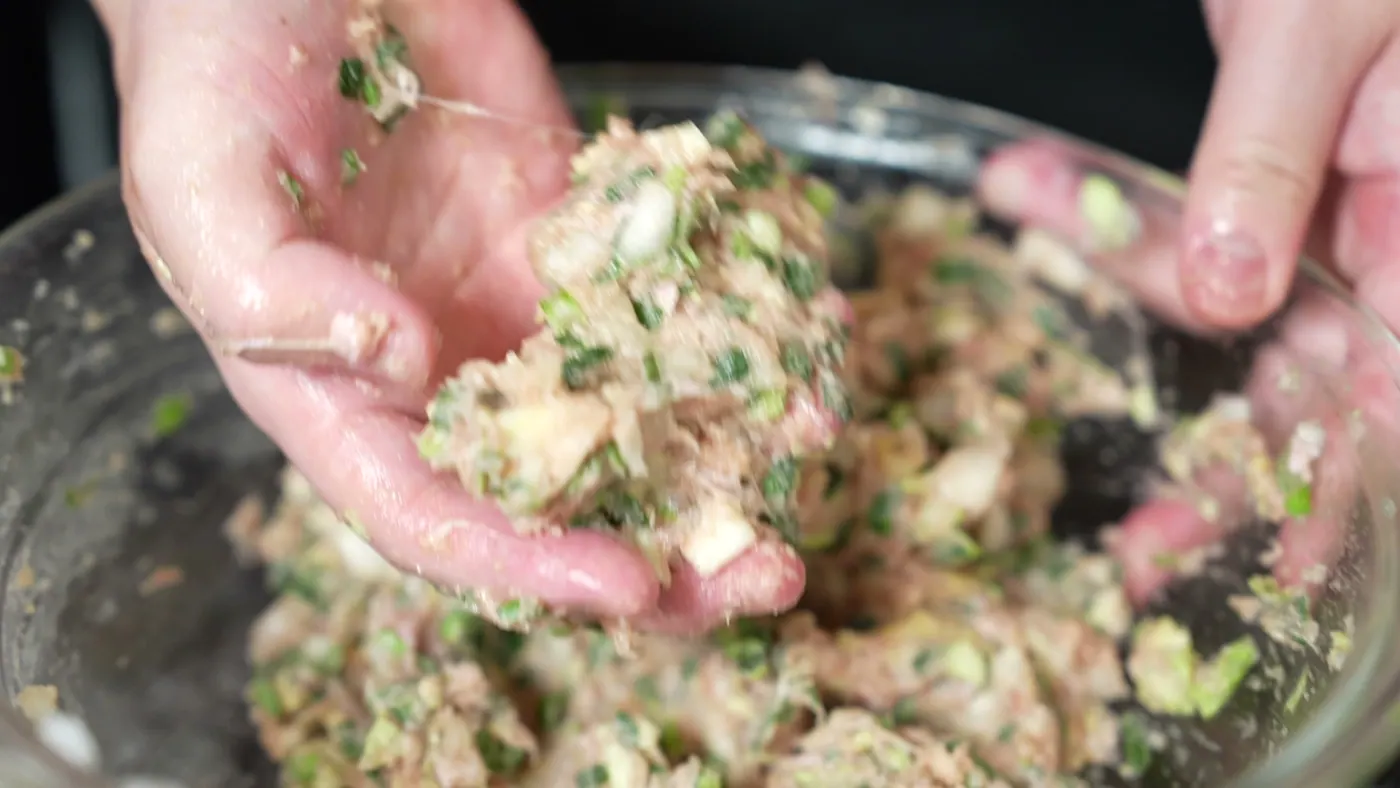
Add the ground pork and mix well by hand until the filling becomes sticky, so it's evenly mixed. Check that no lumps of beef fat are left.
Wrap the Gyoza
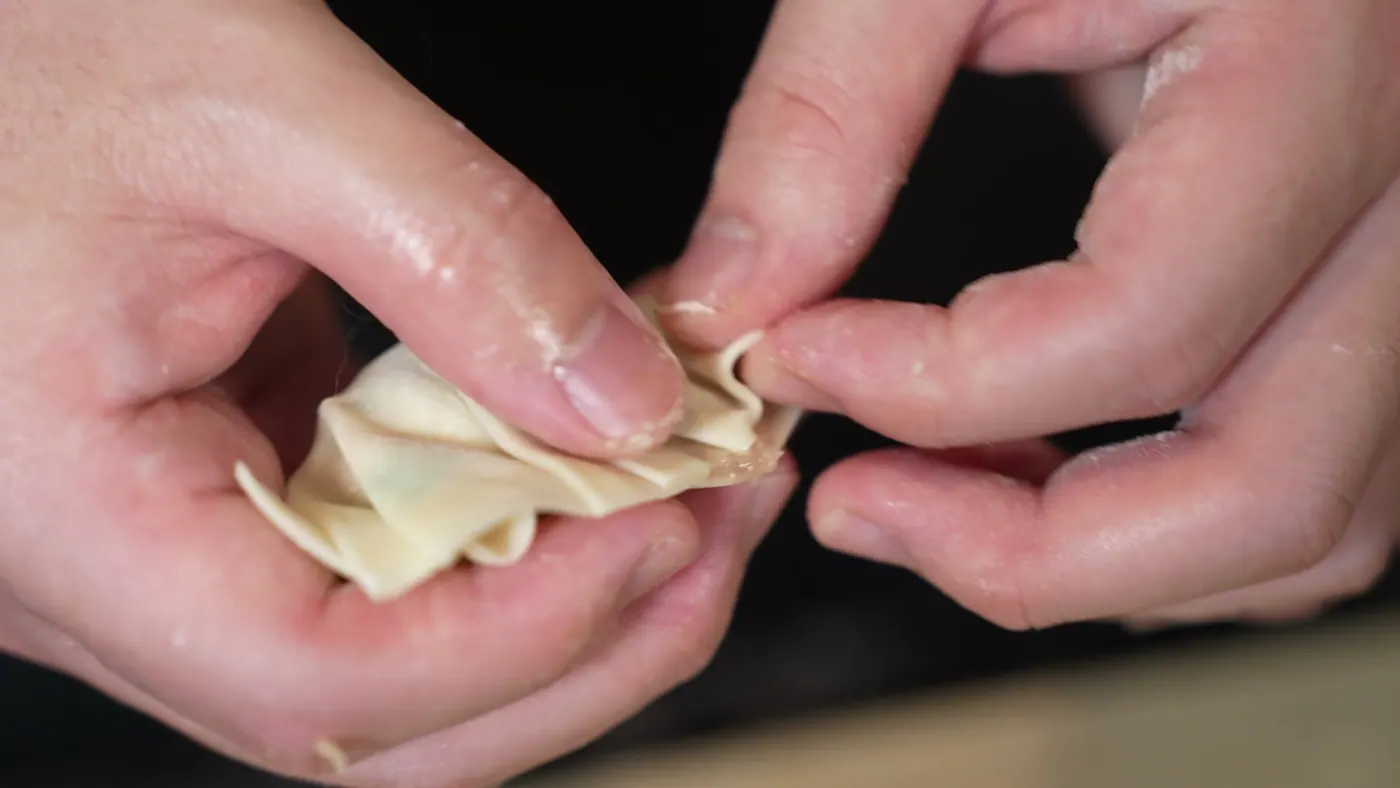
Wrap the gyoza in your hand
Prepare a small bowl of water. The water works like glue to stick the wrapper together.
- Hold a wrapper in your hand and put about 1 tablespoon of filling in the center
- Brush water along the edge of the wrapper
- Fold the wrapper in half, and pleat the top side at even intervals while pressing it onto the bottom side, so there are no gaps
- Once there are no gaps, flatten the bottom
Or use the easy method on the board
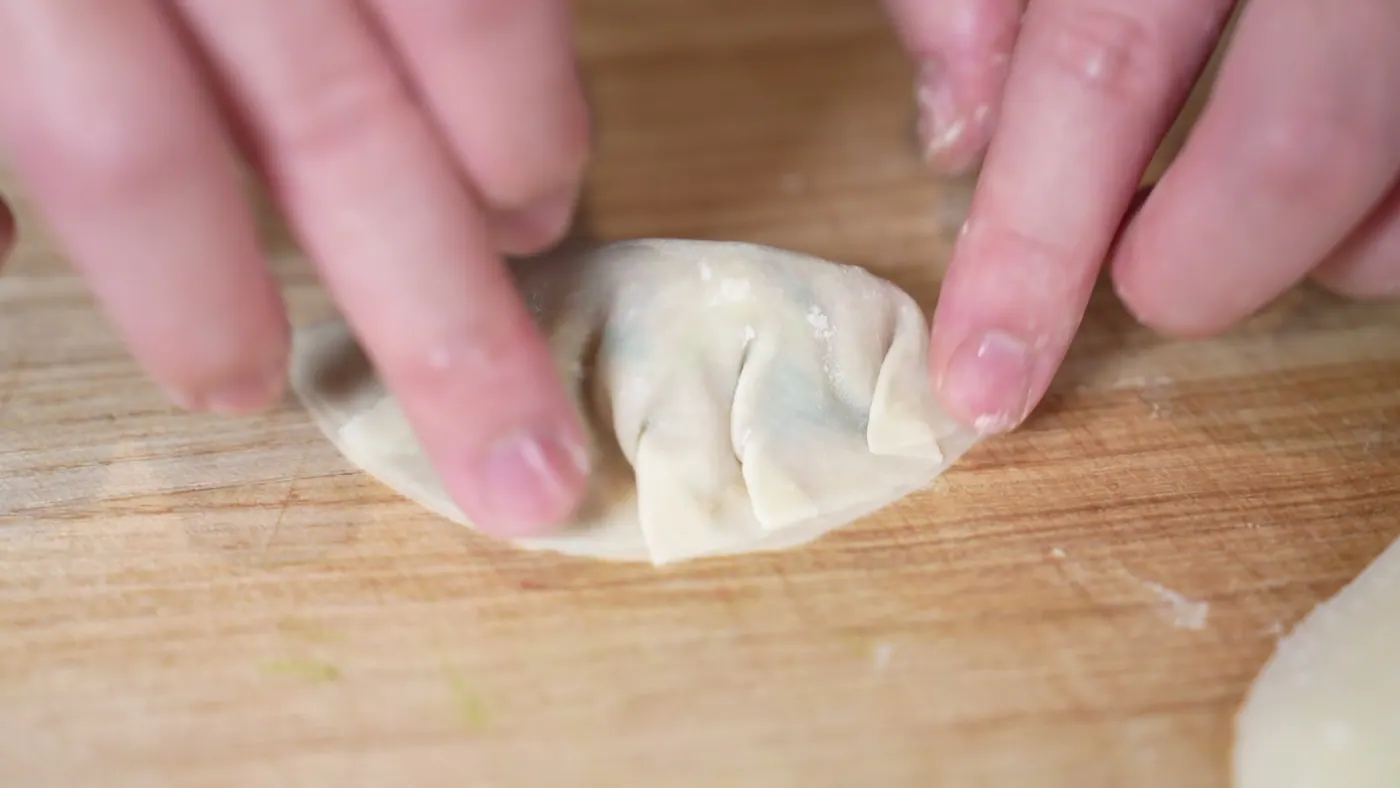
Pleating in your hand is a little tricky, so here's an easier way for beginners. Put the wrapper on the board, add the filling and brush water along the edge as before. Make the pleats with your left hand while pressing the wrapper down from above with your right hand. Because the bottom is flat, pressing down is enough to seal it.
Wrap the rest
Keep wrapping until the filling is used up. Keep these 4 points in mind:
- Don't overfill
- Brush water along the whole edge of the wrapper
- Press the edges together firmly so there are no gaps
- Flatten the bottom when you finish each one
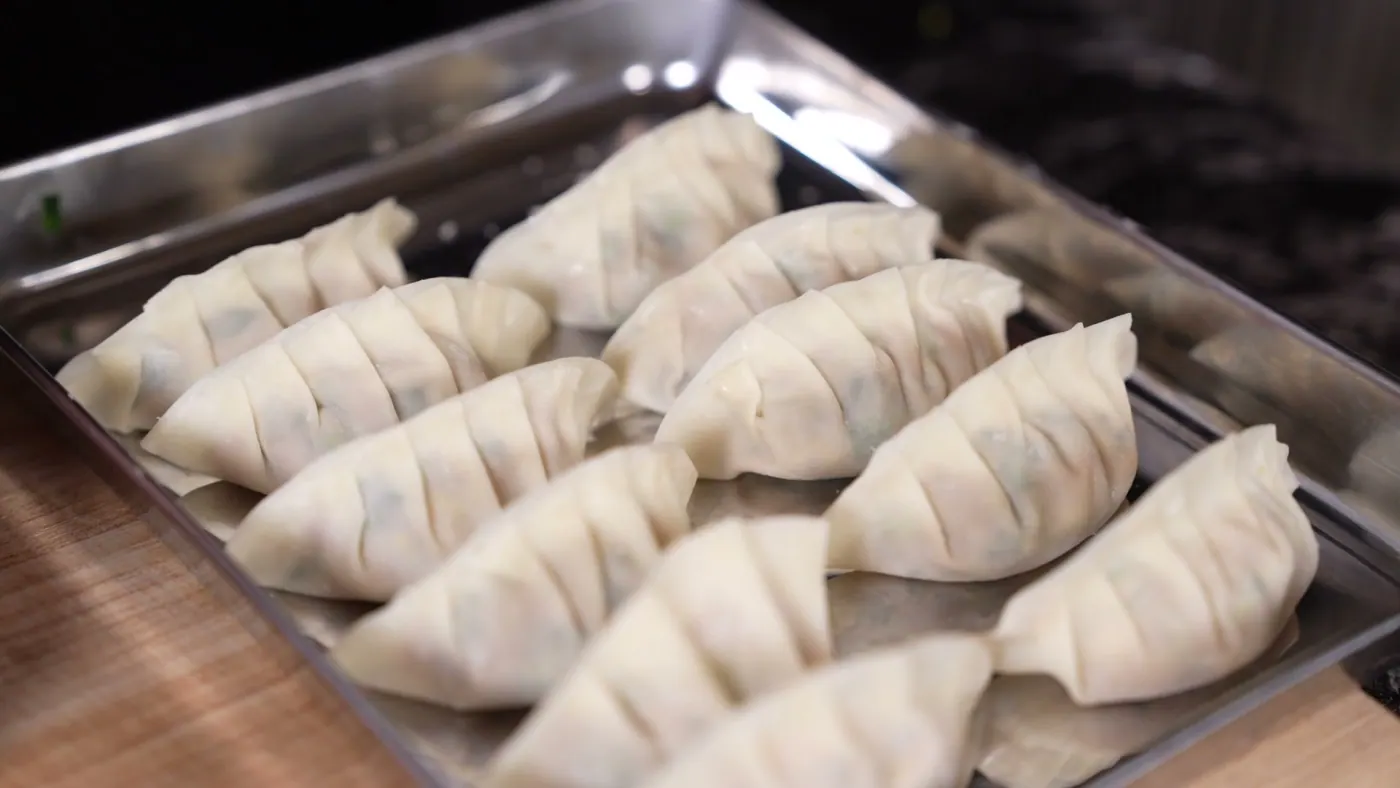
Cook the Gyoza
Arrange the gyoza in the pan
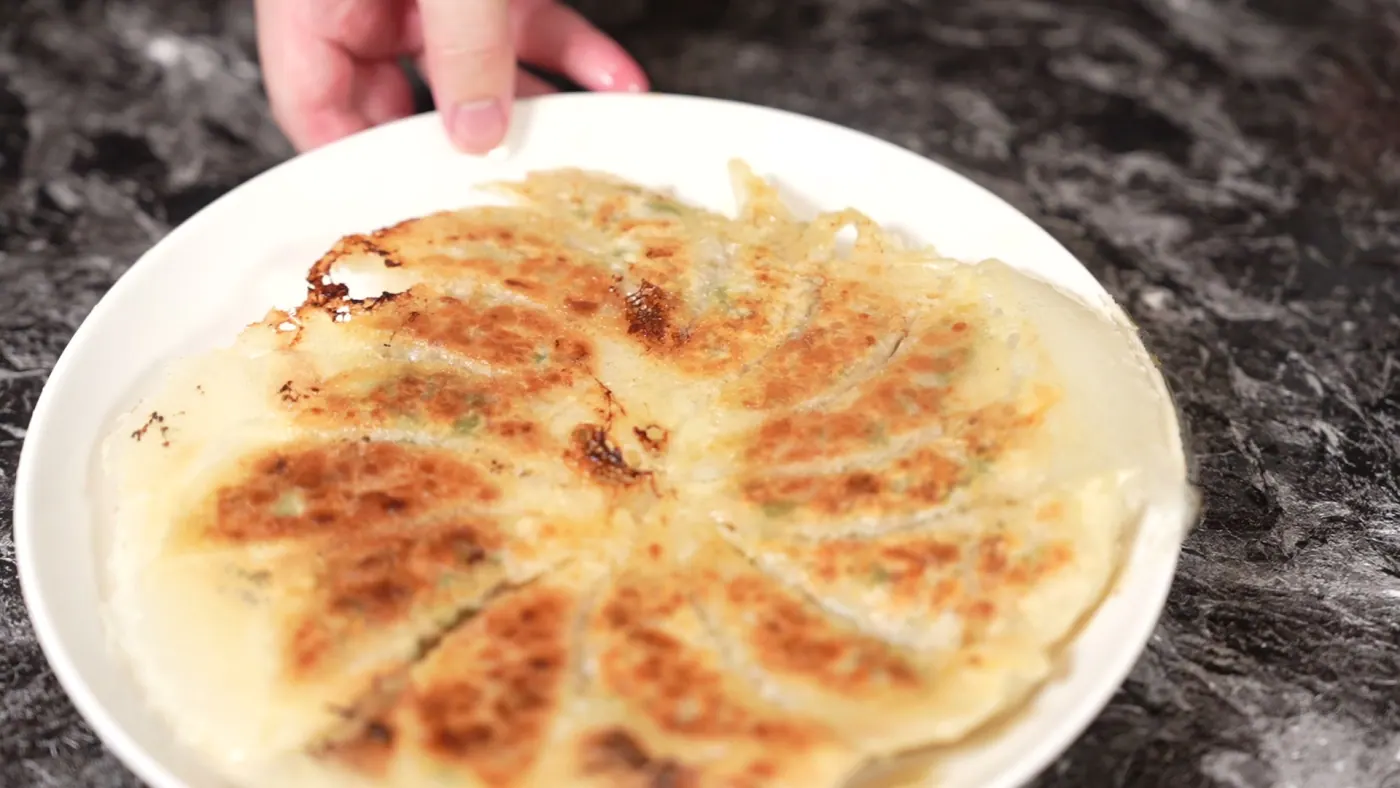
Put 1/2 tablespoon of vegetable oil in a frying pan. Arrange the gyoza in the pan, spreading the oil over the whole pan as you go. Arranging them in a circle makes them look beautiful when you turn them out. Then turn the heat to medium.
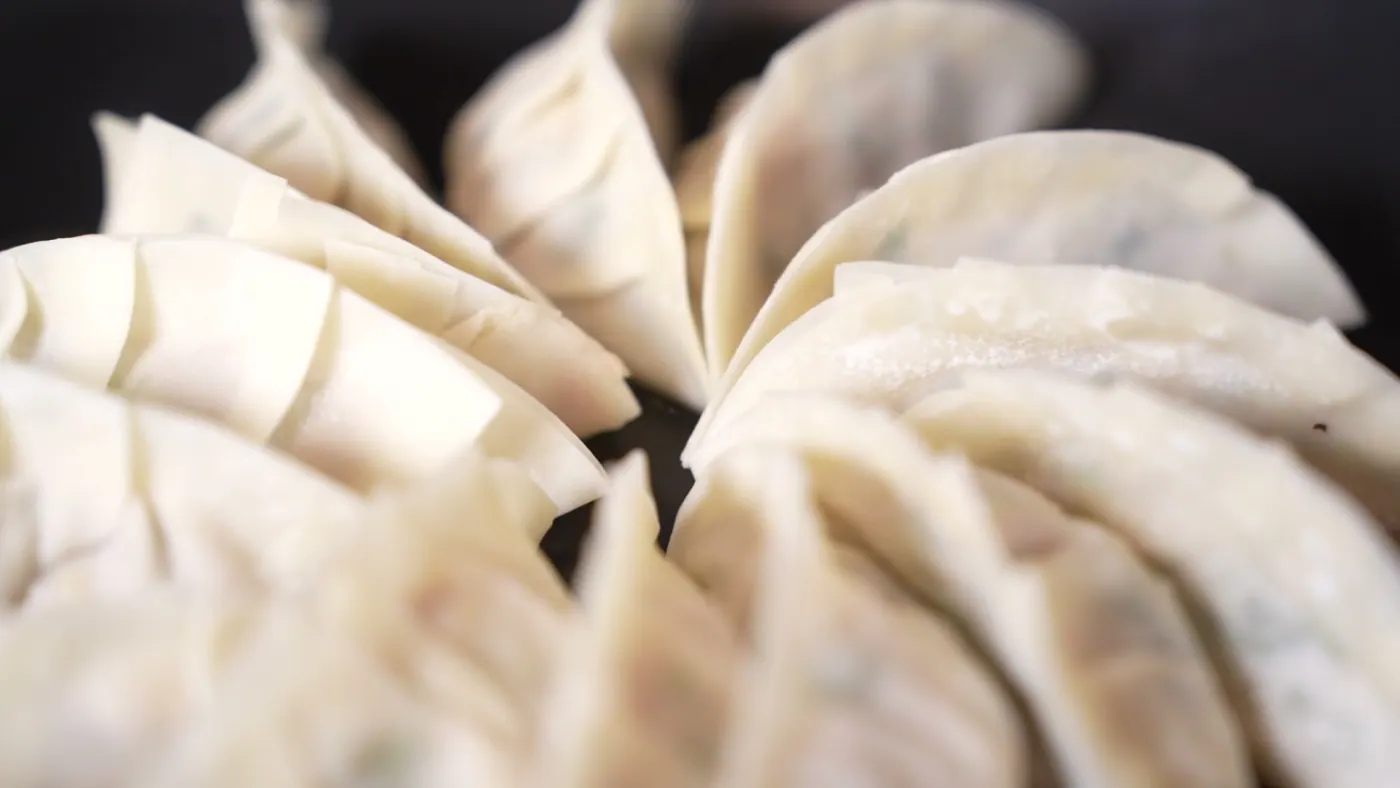
Add the flour water and cover
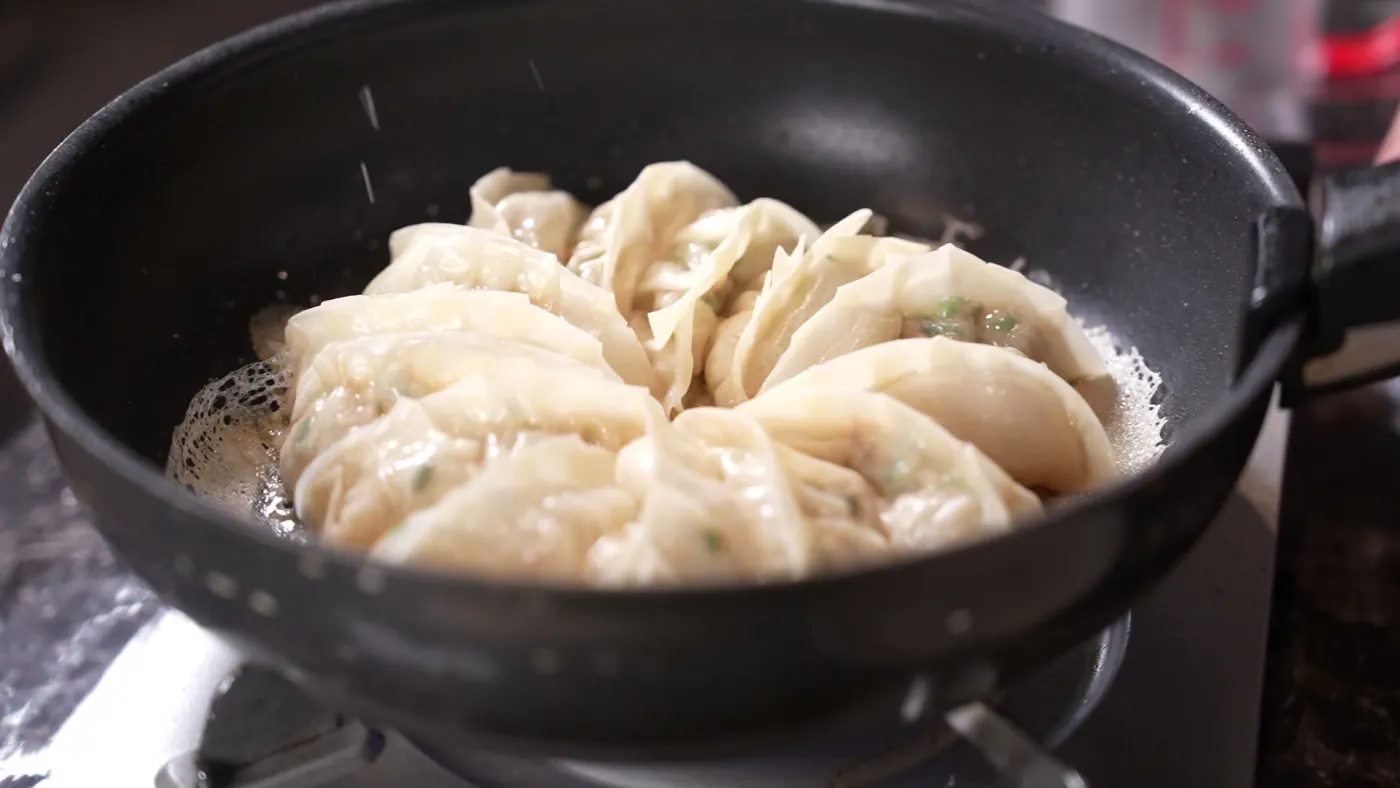
After about 30 seconds, when the bottoms of the wrappers change color, mix 1 teaspoon of all-purpose flour into 70ml of water and pour it into the pan. Put the lid on and let the gyoza steam so they cook through.
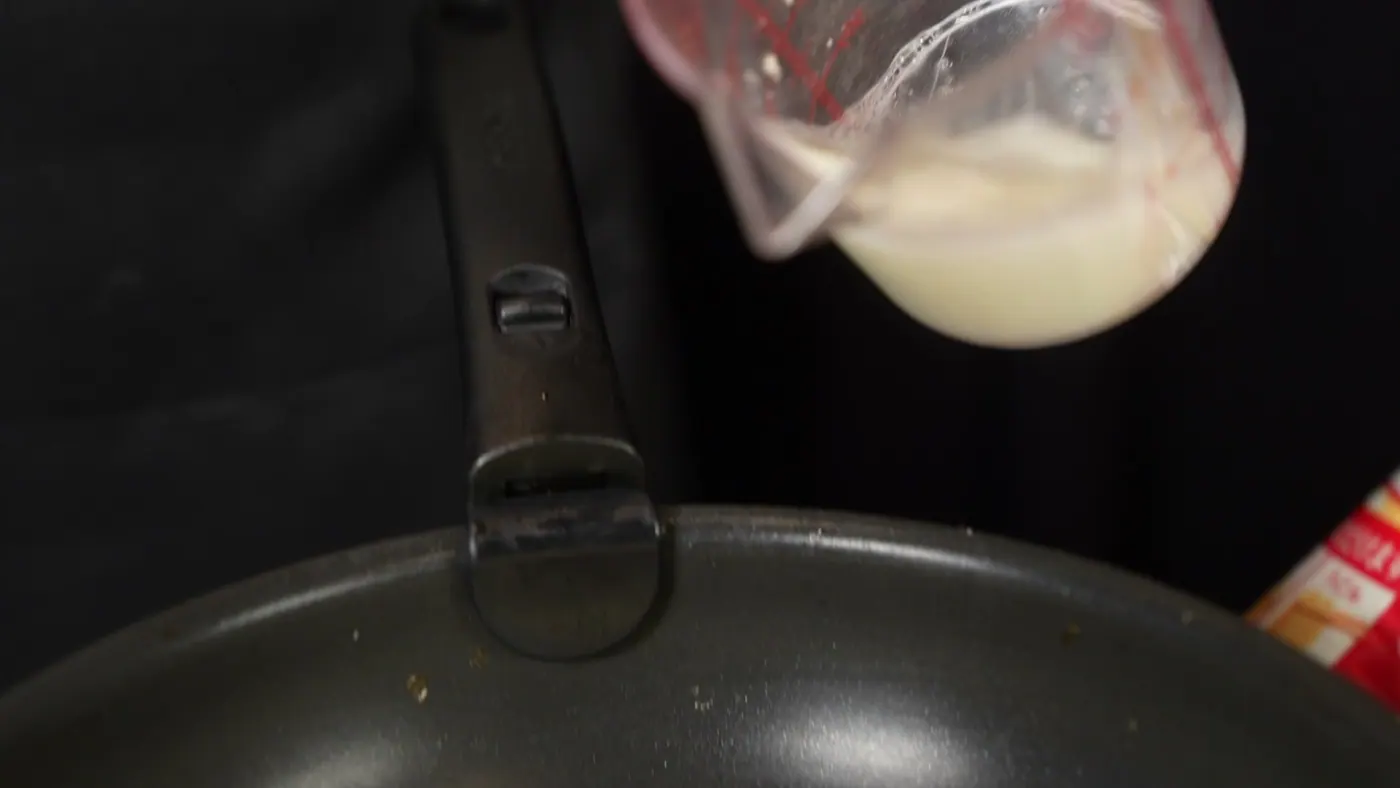
Listen for the sound
As the gyoza cook, the sound changes. Remember the bubbling sound at first. After about 2-3 minutes it changes to a popping sound. When you hear it, remove the lid.
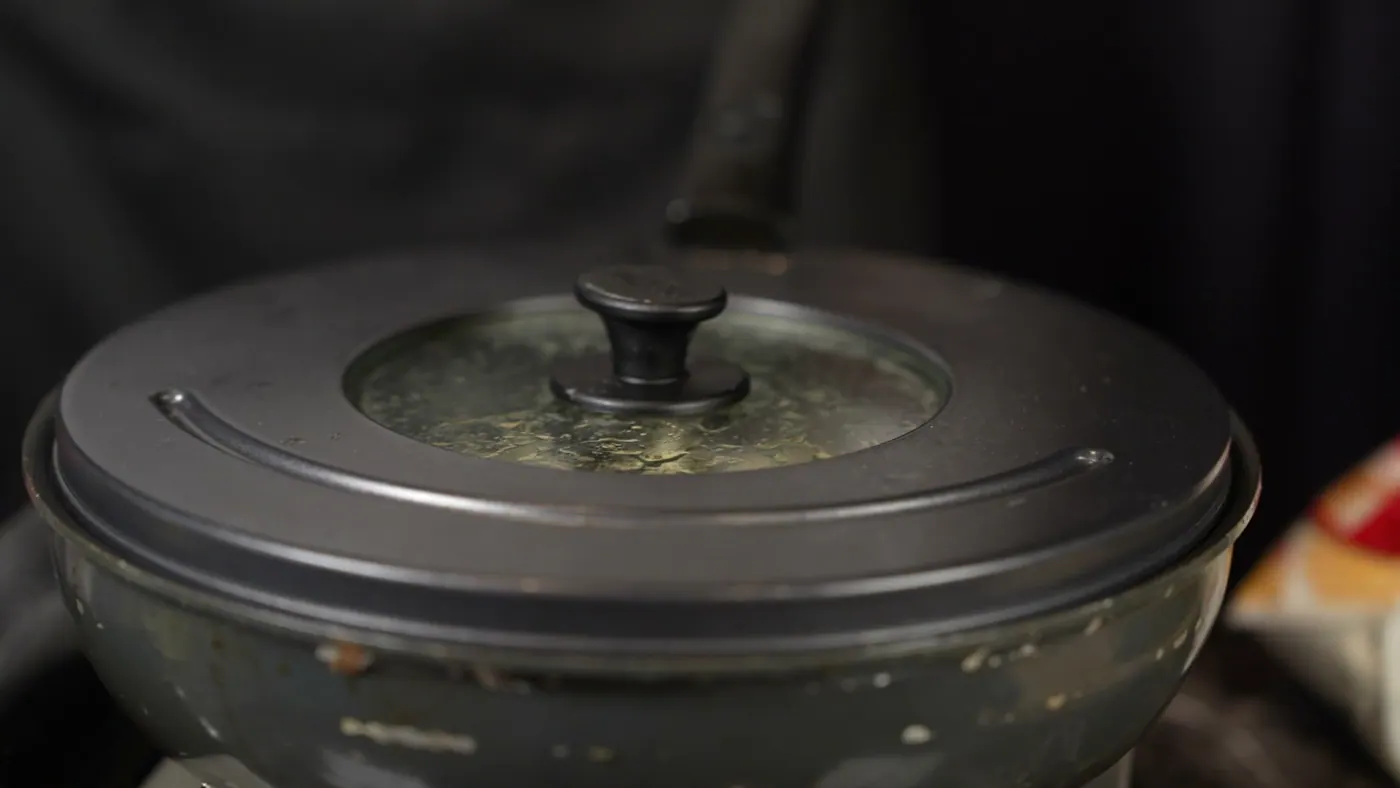
Add sesame oil and cook until crisp
Drizzle 1/2 tablespoon of sesame oil over the gyoza for aroma, and keep cooking until the remaining water is gone. When the edges turn brown, the gyoza are done. Check the bottoms to see that they're nicely browned.
Turn the gyoza out onto a plate
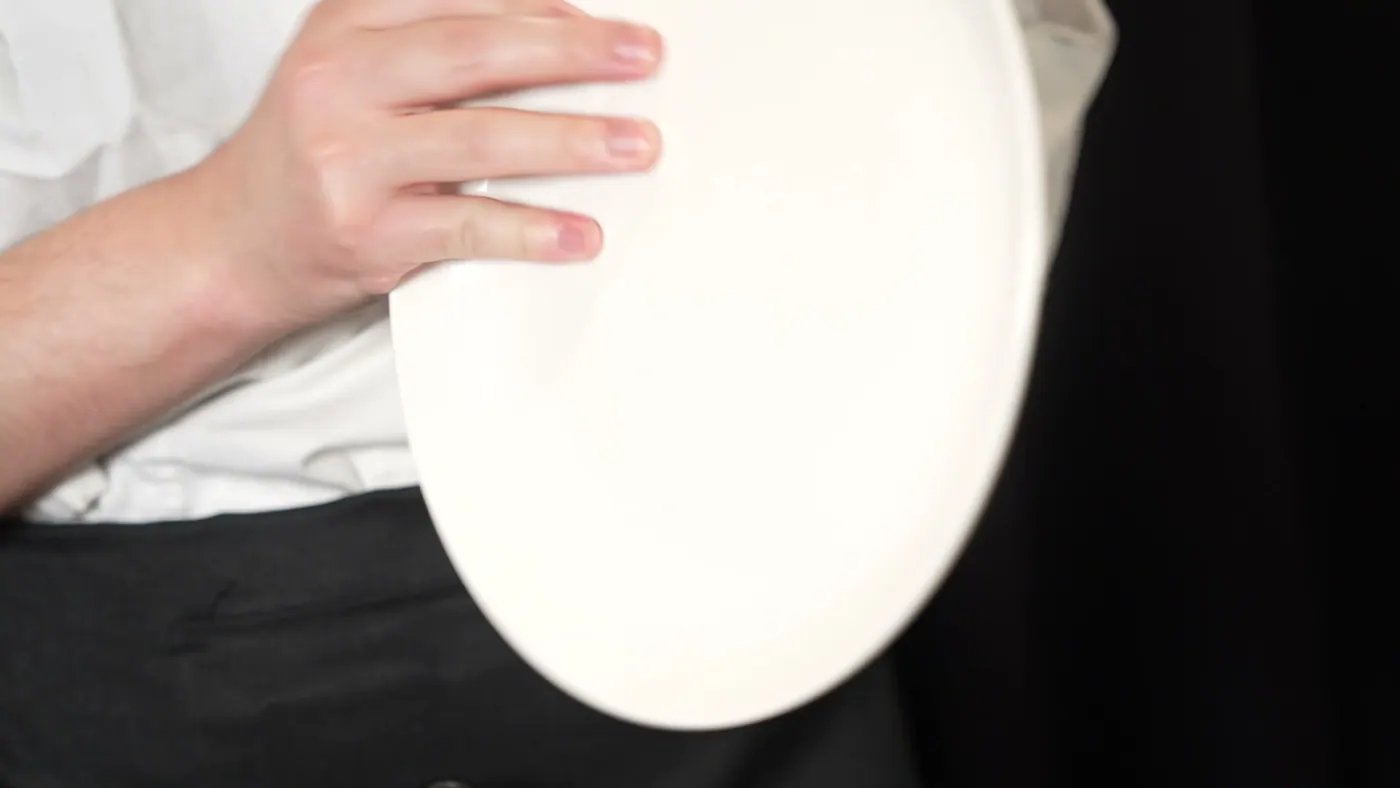
Put a plate over the frying pan and flip it over to turn the gyoza out. Oil can drip from the gap, so be careful not to burn yourself.
Variation: Egg Yolk Dipping Sauce
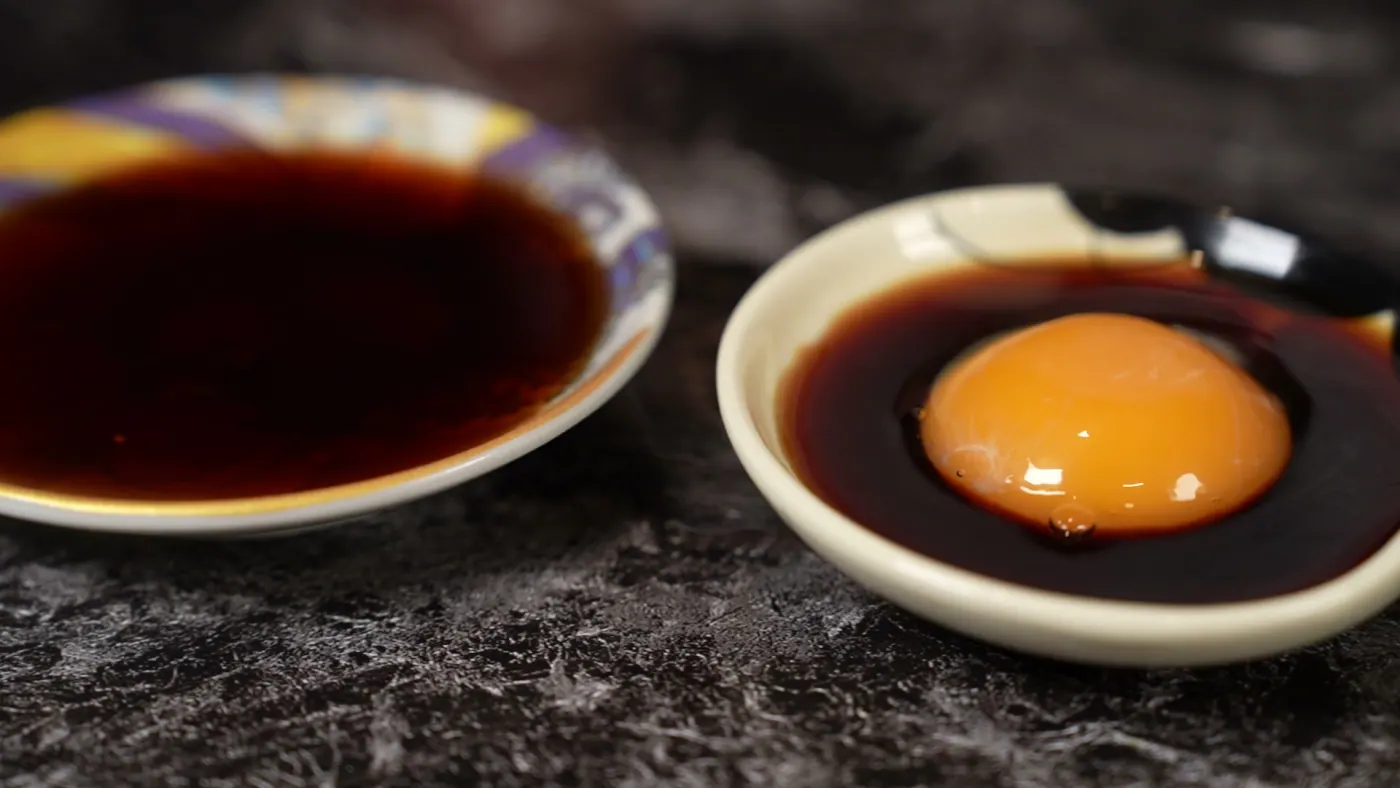
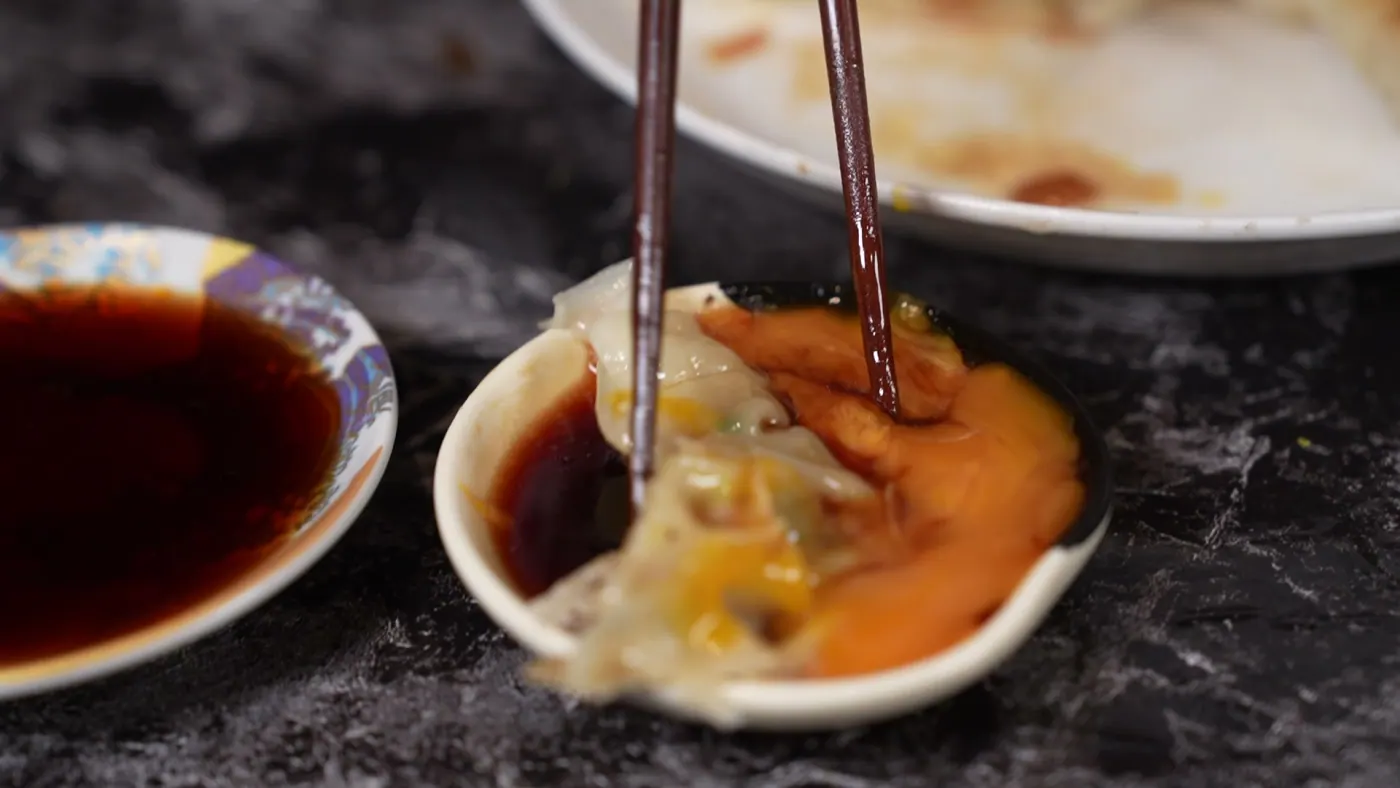
Besides the regular sauce (soy sauce, vinegar and chili oil), try this one. Break an egg yolk in soy sauce and dip the gyoza generously. The egg adds a mellow richness to the pork.
Egg yolk sauce
- 1 tablespoon soy sauce
- 1 egg yolk
About raw eggs
In Japan, eggs are generally safe to eat raw, but this isn't the case in other countries, including the United States. Use pasteurized eggs, which are safe to eat raw. This sauce is optional, so make it at your own discretion.
Tips and Key Points
Use napa cabbage
Many gyoza recipes use cabbage, but napa cabbage holds more water. That water is what makes the filling juicy.
Don't skip the beef fat and gelatin
They're the secret to the juicy filling, so use them if you can. Let the beef fat come to room temperature, and check that no lumps are left after mixing.
Listen to the pan
The bubbling sound turns into a popping sound when the water has almost cooked off. That's the time to remove the lid.
Troubleshooting
Frequently Asked Questions
Why use beef fat and gelatin?
The beef fat adds juice to the filling, and the gelatin thickens that juice so it stays inside the gyoza while they cook.
Do I need to squeeze the water out of the napa cabbage?
No. Rub it with salt and leave the water in. It's what makes the filling juicy.
What can I use instead of beef fat?
Lard works too.
How do I know when the gyoza are cooked?
Listen to the pan. After about 2-3 minutes of steaming, the bubbling sound changes to a popping sound. Then remove the lid, add the sesame oil and cook until the edges turn brown.
What should I do if I don't have cooking sake?
Use dry white wine, or any sake with about 15% alcohol.
Summary
Juicy gyoza come down to the filling: napa cabbage for moisture, beef fat for extra juice and gelatin to keep it inside. Wrap them in your hand or flat on the board, then steam with a little flour water and finish with sesame oil for crisp, golden bottoms.
Short on time? See how to cook frozen gyoza for store-bought gyoza with crispy wings.
小鉢Appetizers & Sides焼き餃子
Gyoza (Japanese Pan-Fried Dumplings)
Gyoza came from China, and in Japan they became pan-fried dumplings with a crispy bottom and a juicy pork filling.
No ratings yet
Rate this recipe
- Prep
- 45 min
- Cook
- 10 min
- Total
- 55 min
- Servings
- 3
- Difficulty
- Intermediate
Ingredients
Filling
Seasonings
Wrapping
For Cooking
Dipping Sauce
Ingredient amounts are multiplied; cooking times and pan size may need adjusting.
Instructions
Amounts mentioned in the steps are for the original recipe (1x) — use the scaled amounts above.
Prep: Make the Filling
Finely chop the napa cabbage
Chop the napa cabbage into small pieces so it mixes well with the meat. The core is tough, so chop it even finer.
Rub the napa cabbage with salt
Put the napa cabbage in a large bowl, add 2 pinches of salt and rub it in lightly. The salt draws out the cabbage's moisture, which keeps the filling juicy. You don't need to squeeze out the water.
Chop the garlic chives
Cut the garlic chives into small pieces and add them to the bowl with the napa cabbage.
Add the beef fat and seasonings
Add the beef fat to the bowl. Use beef fat at room temperature so it melts easily. Then add the seasonings:
- 2 teaspoons oyster sauce
- 1 teaspoon soy sauce
- 1.5 teaspoons sesame oil
- 1 tablespoon sake
- Black pepper
Grate in 10g of ginger.
Add the gelatin
Finally, add 2 teaspoons of powdered gelatin.
Add the ground pork and mix
Add the ground pork and mix well by hand until the filling becomes sticky, so it's evenly mixed. Check that no lumps of beef fat are left.
Wrap the Gyoza
Wrap the gyoza in your hand
Prepare a small bowl of water. The water works like glue to stick the wrapper together.
- Hold a wrapper in your hand and put about 1 tablespoon of filling in the center
- Brush water along the edge of the wrapper
- Fold the wrapper in half, and pleat the top side at even intervals while pressing it onto the bottom side, so there are no gaps
- Once there are no gaps, flatten the bottom
Or use the easy method on the board
Pleating in your hand is a little tricky, so here's an easier way for beginners. Put the wrapper on the board, add the filling and brush water along the edge as before. Make the pleats with your left hand while pressing the wrapper down from above with your right hand. Because the bottom is flat, pressing down is enough to seal it.
Wrap the rest
Keep wrapping until the filling is used up. Keep these 4 points in mind:
- Don't overfill
- Brush water along the whole edge of the wrapper
- Press the edges together firmly so there are no gaps
- Flatten the bottom when you finish each one
Cook the Gyoza
Arrange the gyoza in the pan
Put 1/2 tablespoon of vegetable oil in a frying pan. Arrange the gyoza in the pan, spreading the oil over the whole pan as you go. Arranging them in a circle makes them look beautiful when you turn them out. Then turn the heat to medium.
Add the flour water and cover
After about 30 seconds, when the bottoms of the wrappers change color, mix 1 teaspoon of all-purpose flour into 70ml of water and pour it into the pan. Put the lid on and let the gyoza steam so they cook through.
Listen for the sound
As the gyoza cook, the sound changes. Remember the bubbling sound at first. After about 2-3 minutes it changes to a popping sound. When you hear it, remove the lid.
Add sesame oil and cook until crisp
Drizzle 1/2 tablespoon of sesame oil over the gyoza for aroma, and keep cooking until the remaining water is gone. When the edges turn brown, the gyoza are done. Check the bottoms to see that they're nicely browned.
Turn the gyoza out onto a plate
Put a plate over the frying pan and flip it over to turn the gyoza out. Oil can drip from the gap, so be careful not to burn yourself.
Video
Watch the video · 7:00Open on YouTube
Jump to a part of the video (11 chapters)
Video: https://youtu.be/hWsjHZ2O9nI
Notes
Substitutions
- Beef fat: Lard works too
- Napa cabbage: Regular cabbage works, but napa cabbage holds more water, which makes the gyoza juicier
- Sake: Dry white wine, or any sake with about 15% alcohol
- Gyoza wrappers: Thicker, larger wrappers are easier to fold
Nutrition estimated, per serving
- Calories
- 455 kcal
- Carbohydrates
- 50.6 g
- Protein
- 21.2 g
- Fat
- 20.5 g
- Saturated fat
- 6 g
- Fiber
- 2.8 g
- Sugar
- 1.5 g
- Sodium
- 651 mg
Estimated by us from the Standard Tables of Food Composition in Japan (MEXT, 2020). Optional ingredients and garnishes are not counted; soup and sauce are counted as fully eaten. Actual values depend on your brands and portion sizes. How we calculate this
Course: Appetizers & Sides · Cuisine: Japanese · Keyword: Gyoza
Recipe from Japanese Cooking Ichie — https://japanesecookingichie.com/recipes/gyoza/
Make it a meal
Serve it alongside one of these mains.
Ratings & comments
No ratings yet — be the first to rate this recipe.
Comments