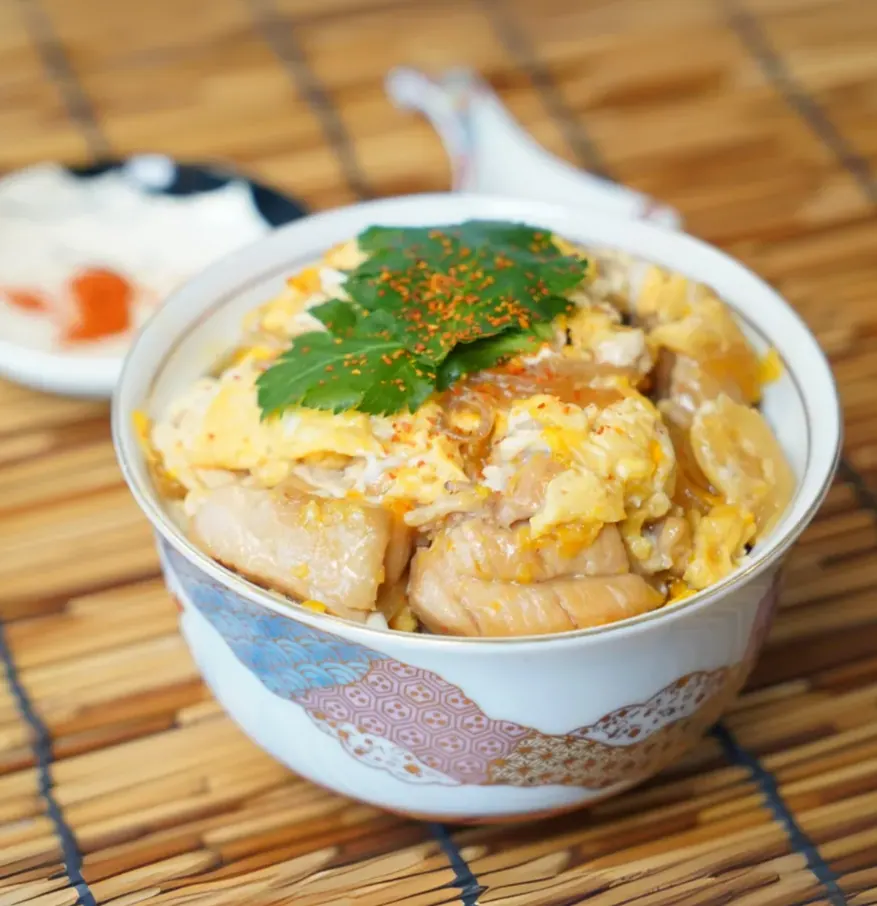
Rice Bowl親子丼
Oyakodon
Chicken and Egg Rice Bowl
By dish
By main ingredient
Good for
始Beginner’s guide
Japanese home cooking is less complicated than it looks. A small set of seasonings, a few simple techniques and a pot of rice will get you a long way. Here’s where to begin.
Almost every recipe on this site is built on the same short list:
Add potato starch, toasted sesame oil, fresh ginger and green onions and you can cook everything here. Our Japanese Pantry guide explains what to buy and what to substitute.
Teriyaki, gyudon, oyakodon, butadon — many classic dishes use the same idea: equal parts sake, mirin and soy sauce, with a little sugar. Learn it once with our teriyaki sauce and you’ll start to see it everywhere.
A Japanese meal is built around rice. Use Japanese short-grain rice (often sold as “sushi rice”), rinse it until the water is almost clear, soak it, and let it rest after cooking. We show the whole method without a rice cooker in how to cook Japanese rice in a pot (with the video).
A home-style Japanese dinner is usually rice, a soup, one main dish and a small side (ichijū sansai, “one soup, three dishes,” in its fuller form). You don’t need all of it every night — but this is how the dishes on this site fit together:
Or skip the separate dishes and make a rice bowl (donburi) — rice and main dish in one bowl.
These are quick, forgiving, and use only the basic seasonings. Make them in this order and you’ll have most core techniques down.
Rice Bowl親子丼
Chicken and Egg Rice Bowl
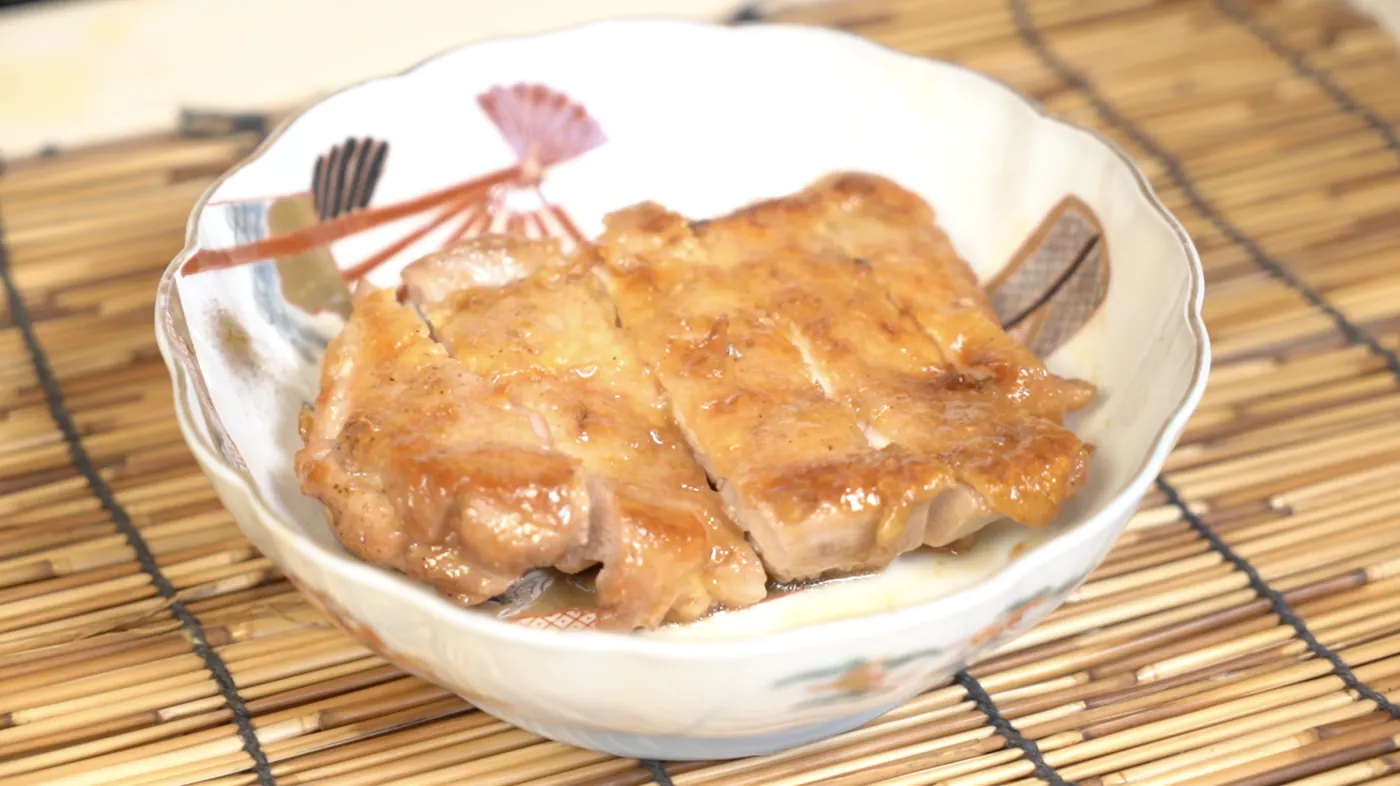
Main Dish鶏の照り焼き
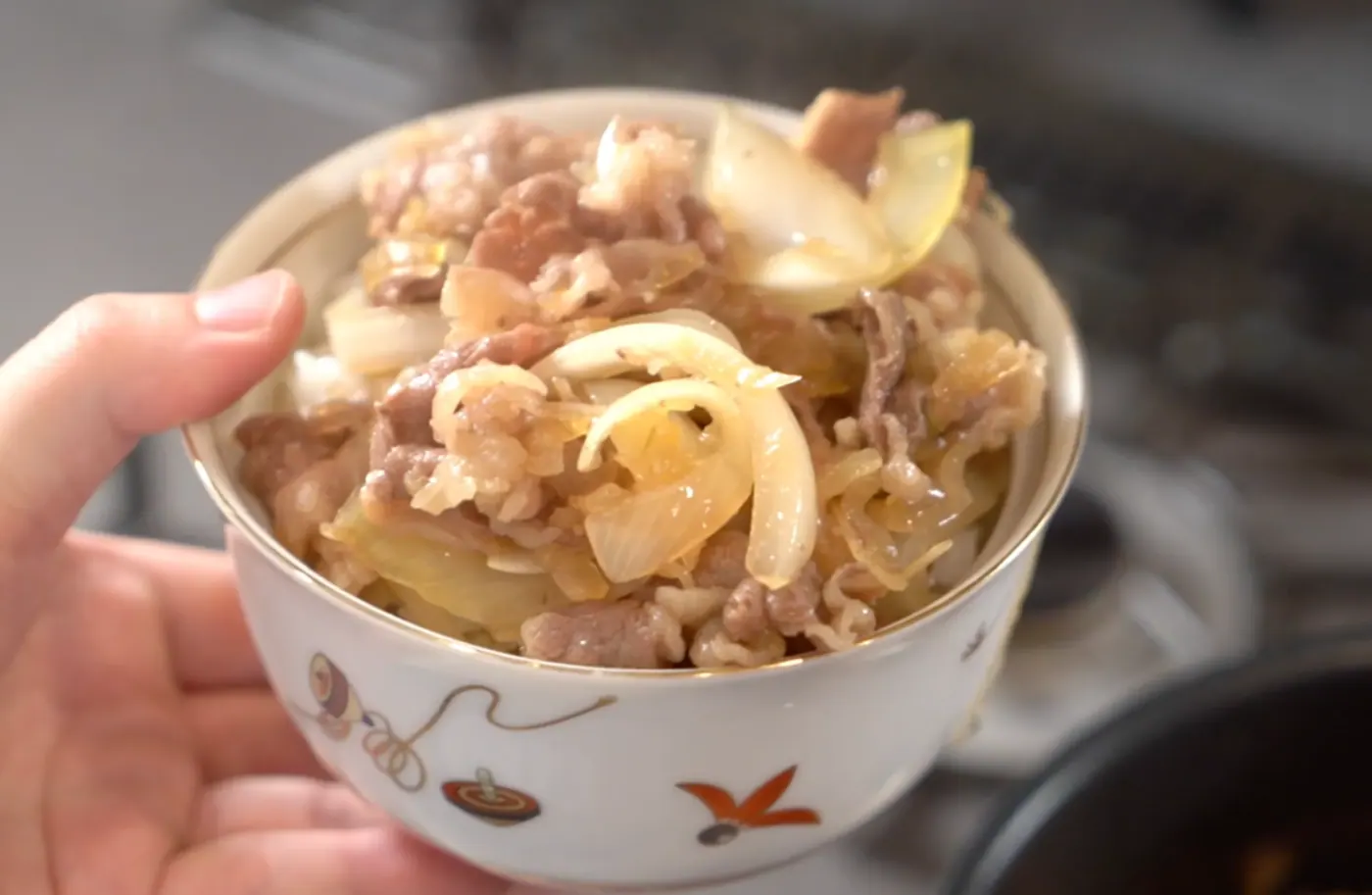
Rice Bowl牛丼
Japanese Beef Rice Bowl
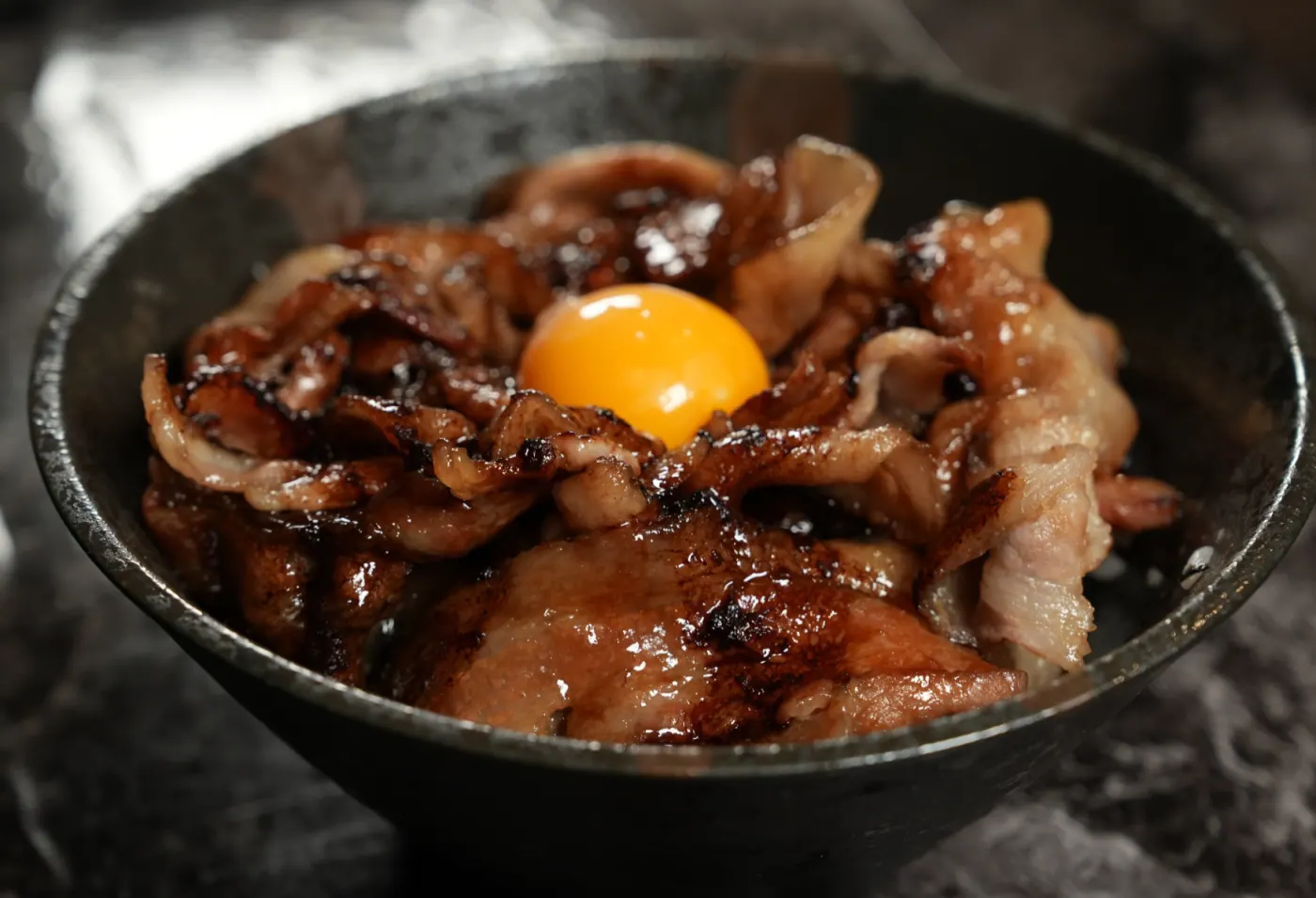
Rice Bowl豚丼
Japanese Pork Rice Bowl
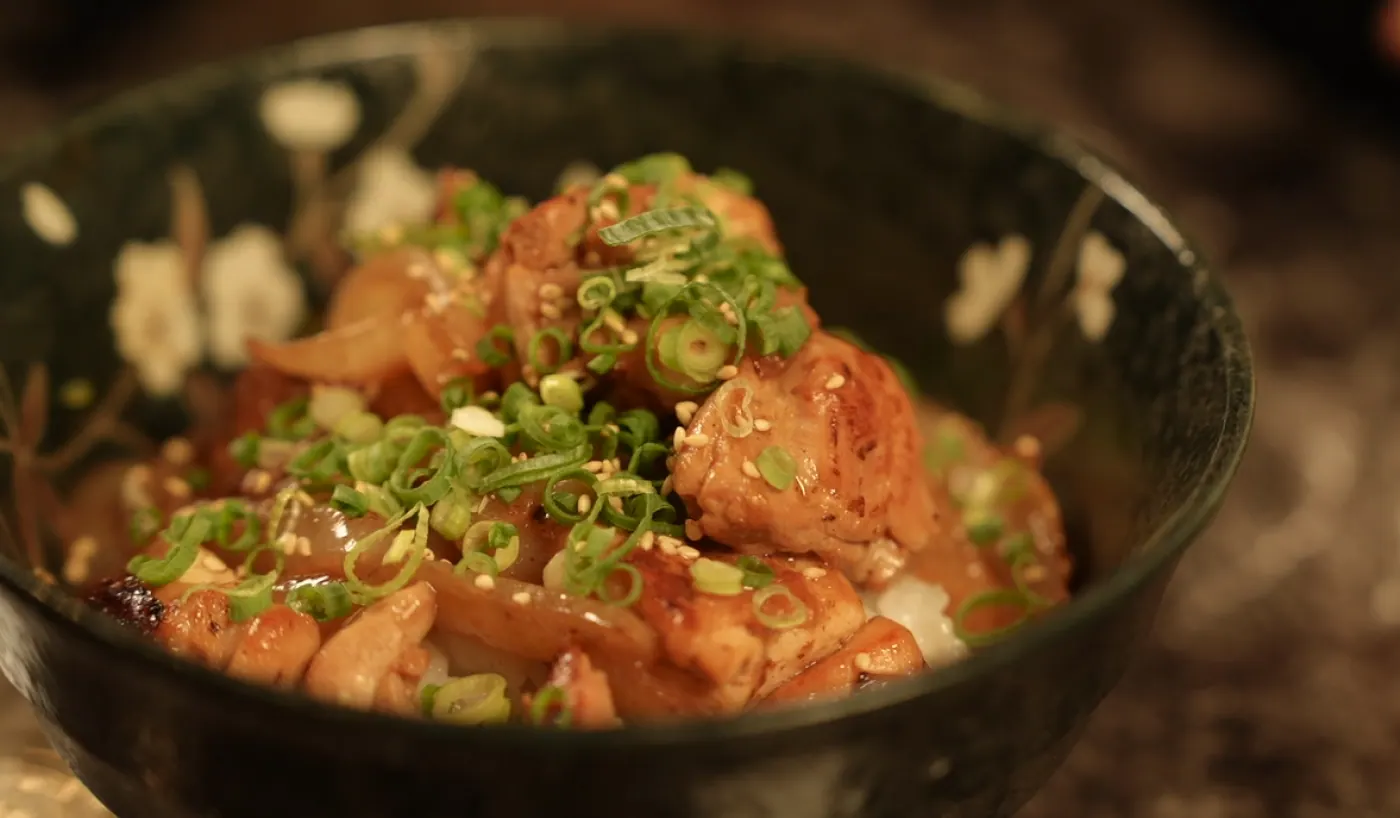
Rice Bowl鶏丼
Japanese Chicken Donburi Rice Bowl
Homemade sauces taste brighter than bottled ones and take minutes. They also keep in the fridge, so dinner gets faster through the week.
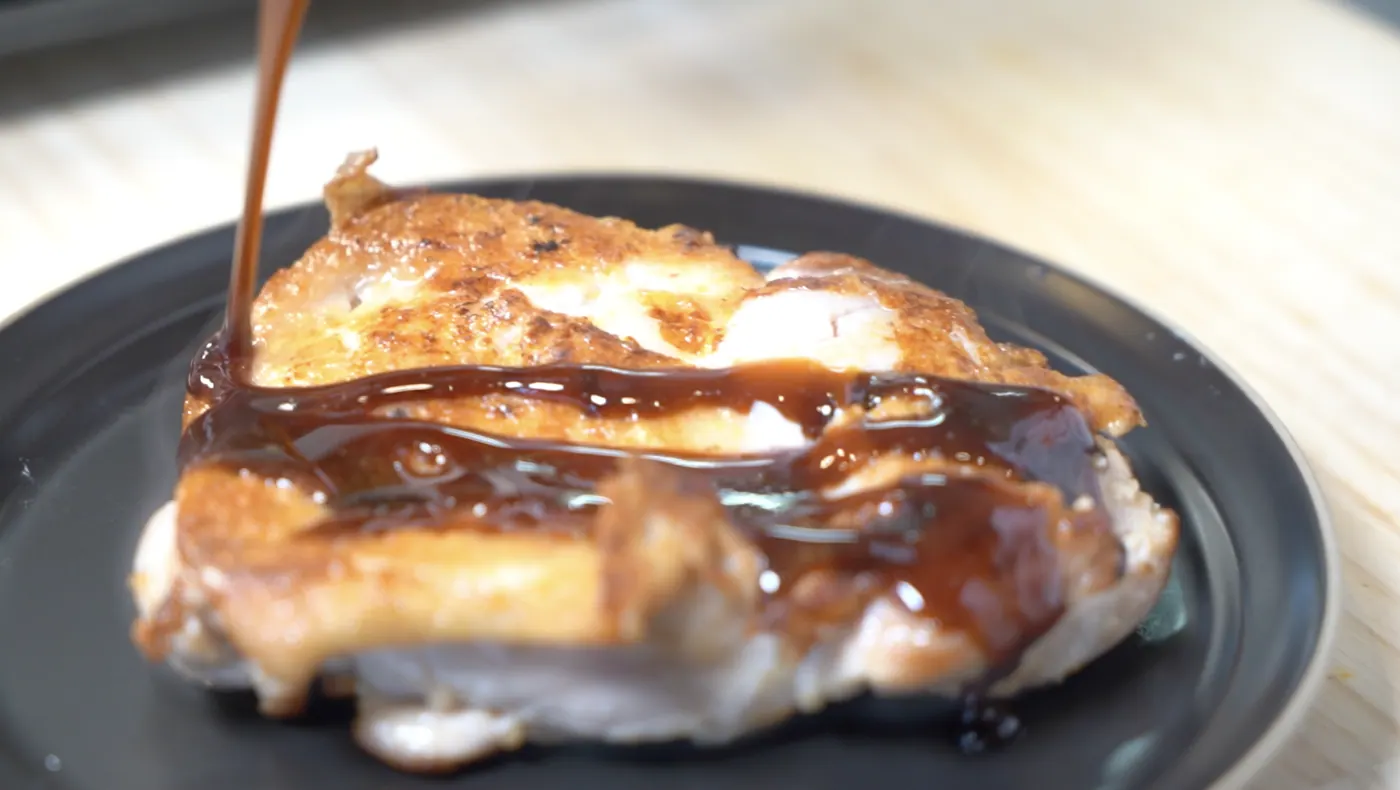
Sauces & Condiments照り焼きのタレ
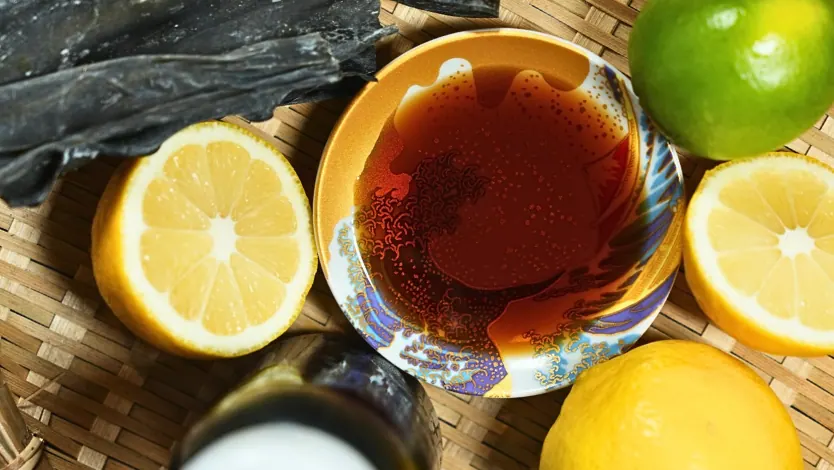
Sauces & Condimentsポン酢
Japanese Citrus Soy Sauce
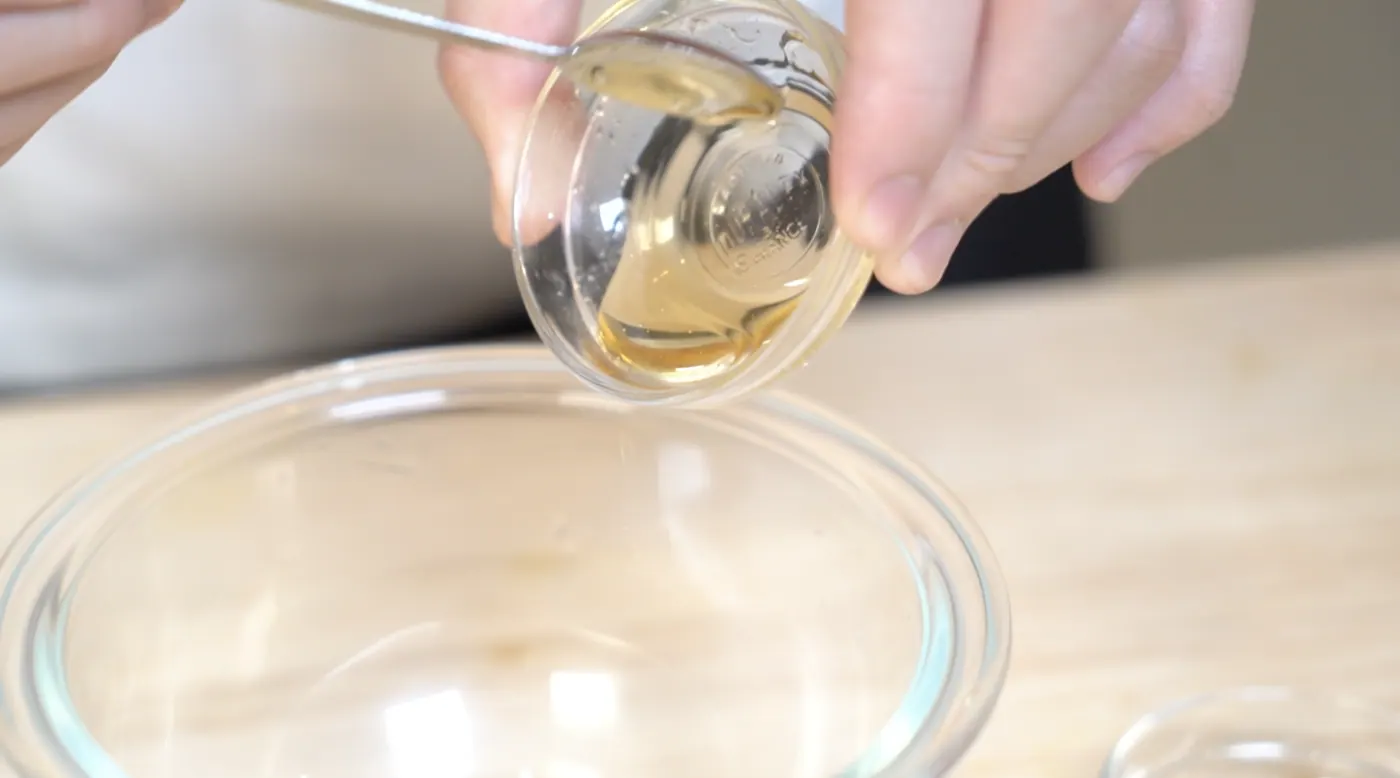
Sauces & Condimentsみりんの代用
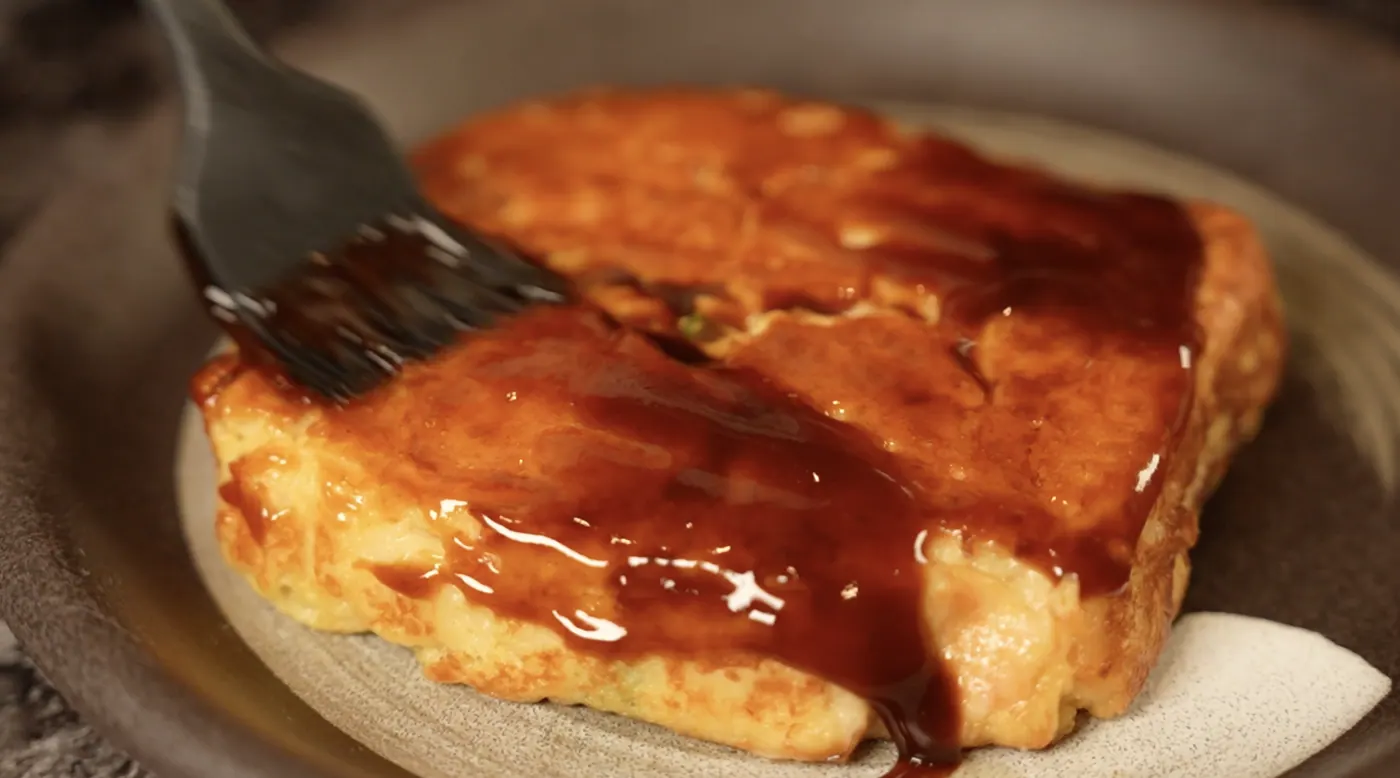
Sauces & Condimentsお好み焼きソース
Every written recipe here comes from one of our YouTube videos. A few things on each recipe page make it easier to cook with the video and the written recipe together: