Why Japanese Recipes Use Sugar
Many Japanese savory dishes are built on a balance of salty and sweet. Soy sauce and miso bring salt and savoriness, and sugar, often together with mirin, softens them and adds body. That is why a beef rice bowl or a braised pork dish can taste rich without being harsh.
Sugar also helps sauces reduce to a glossy coating, and in quick pickles it rounds off the sharpness of vinegar.
Types of Japanese Sugar
Walk into a Japanese supermarket and the standard white sugar looks a little different from what you may be used to.
- Jōhakutō (上白糖): Japan's everyday white sugar, about half of all the sugar used in the country. A little sugar syrup is sprayed on at the end of production, which makes it fine, soft and slightly moist, with a mild, rounded sweetness.
- Granulated sugar (グラニュー糖): slightly larger, free-flowing crystals with a clean, neutral sweetness. This is the standard white sugar in most other countries.
- Sanontō (三温糖): a light golden-brown sugar made from the syrup left after the white sugar crystals are taken out. The syrup is boiled down again and again, and this repeated heating gives it its color and a caramel-like flavor. It is a favorite for simmered dishes.
Does the Type of Sugar Matter?
For the recipes on this site, no. Regular white granulated sugar works in all of them. Jōhakutō tastes a touch richer and dissolves very quickly, but in a sauce with soy sauce and mirin the difference is hard to notice. Light brown sugar adds a faint molasses flavor, which suits braised meat but can darken lighter dishes.
How to Use Sugar in Japanese Cooking
- Add it early. Japanese cooks remember the order of seasonings as sa-shi-su-se-so: sugar (sa), salt (shi), vinegar (su), soy sauce (se) and miso (so). Sugar goes in first so it has time to soak in. Soy sauce and miso come last, partly for their aroma.
- Rice bowls and braises. It sweetens the cooking liquid in our Gyudon, Kakuni and Oyakodon.
- Glazes and sauces. It thickens and sweetens our Teriyaki Sauce and Takoyaki Sauce.
- Pickles and dressings. A little sugar balances vinegar and soy sauce in our Spicy Cucumber.
Where to Buy Japanese Sugar
You do not need to look for it. Any supermarket white sugar is fine. If you want to try jōhakutō, Japanese grocers and online shops sell it in bags labeled 上白糖.
Sugar Substitutes
- Caster or granulated sugar: use the same amount as jōhakutō.
- Honey: tastes sweeter and rounder than sugar, so start with less and taste. Our Mirin Substitute uses honey this way.
- Mirin: can take over part of the sweetness and adds shine. Reduce the sugar, add mirin and taste; there is no fixed swap ratio.
- Brown sugar: works in braised dishes; the color and flavor will be a little deeper.
How to Store Sugar
Keep sugar in an airtight container in a dry place. Moist jōhakutō can clump or harden if it dries out or picks up humidity; break up lumps with a spoon, they are still fine to use.
Recipes using Sugar
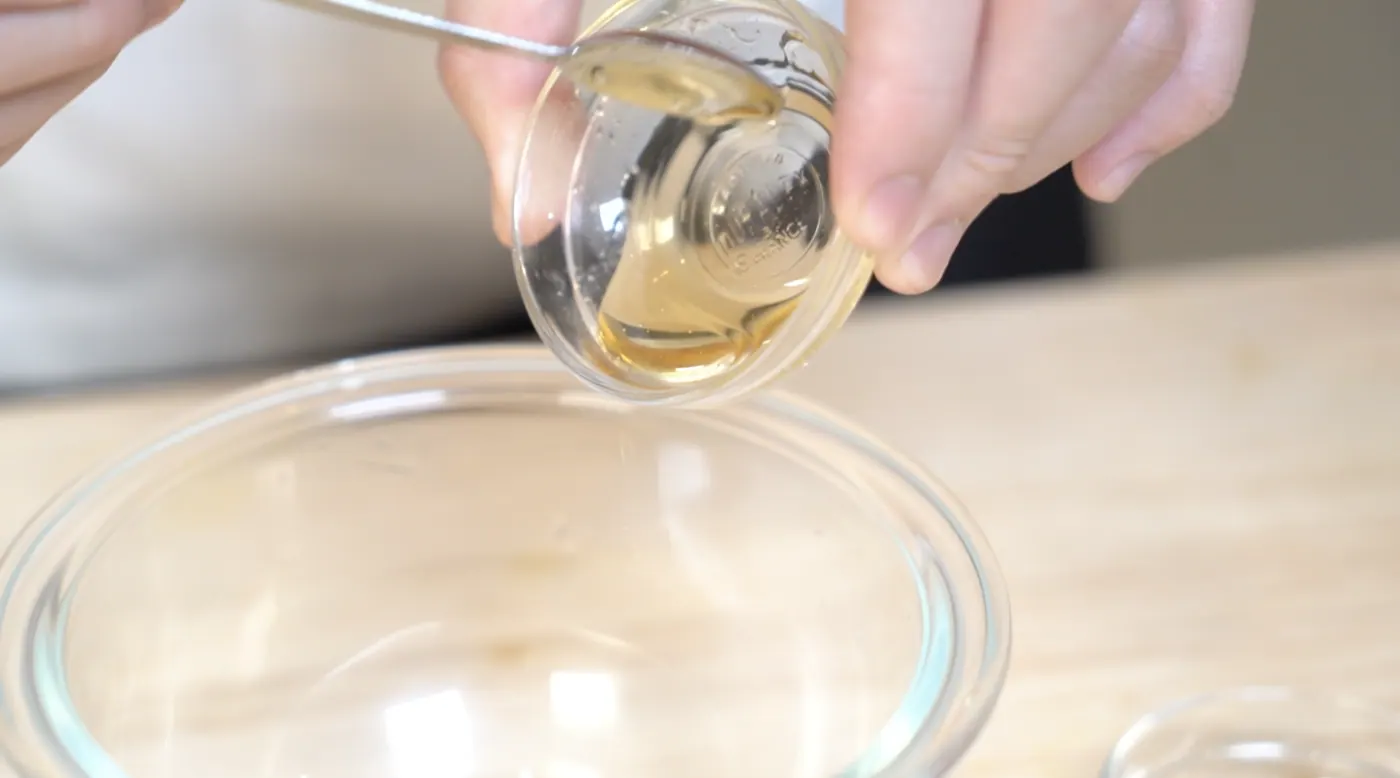
Sauces & Condimentsみりんの代用
Mirin Substitute
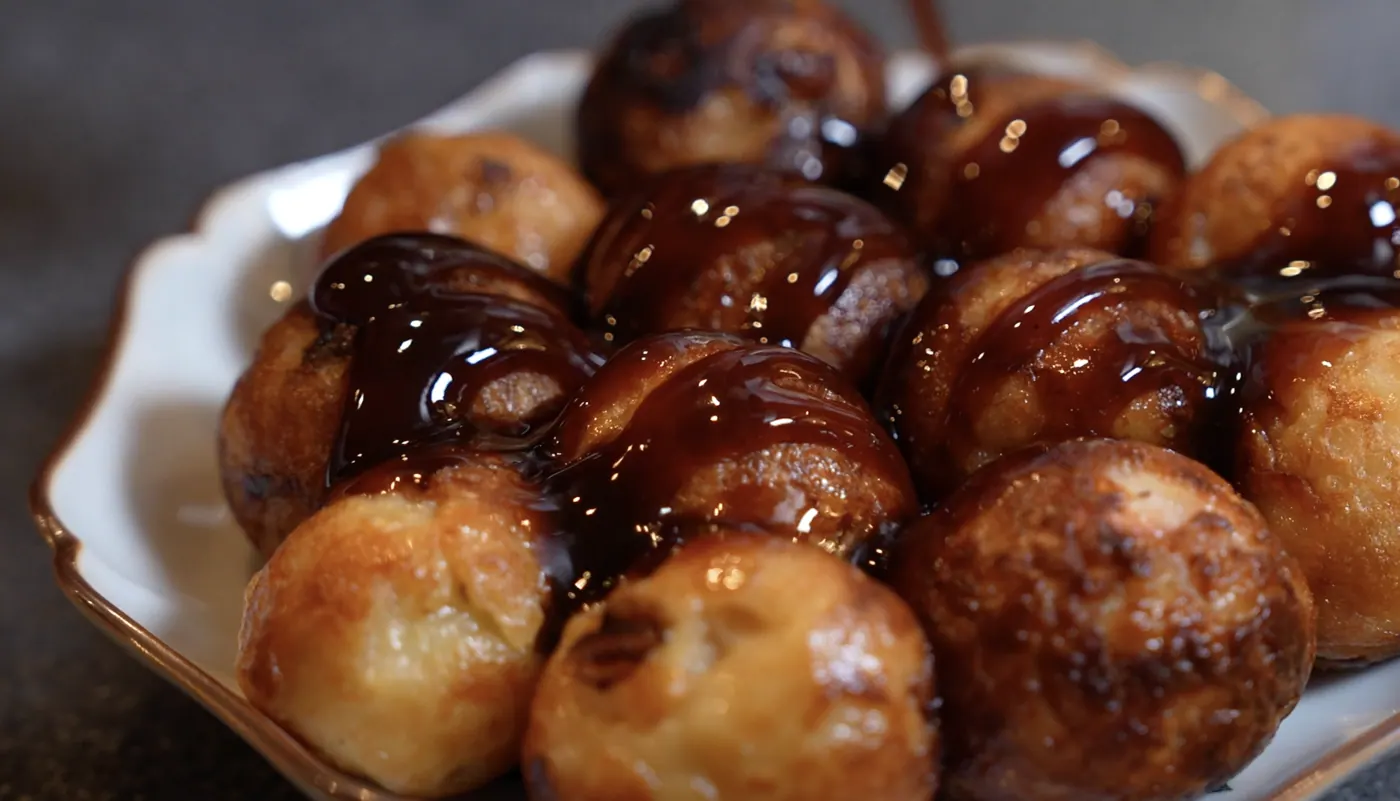
Sauces & Condimentsたこ焼きソース
Takoyaki Sauce
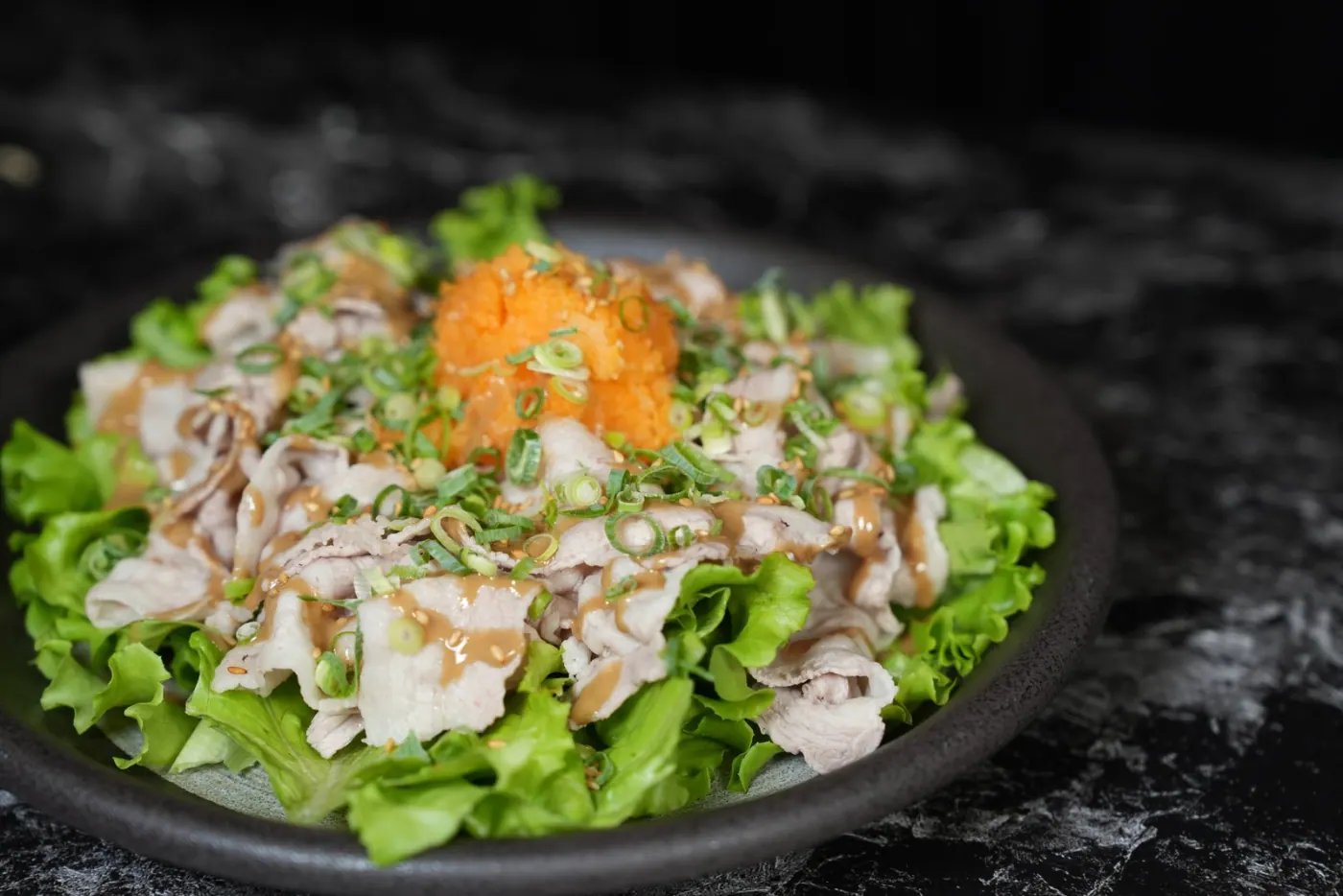
Main Dish冷しゃぶ
Cold Shabu Shabu
Hiyashabu, Chilled Pork Shabu-Shabu Salad
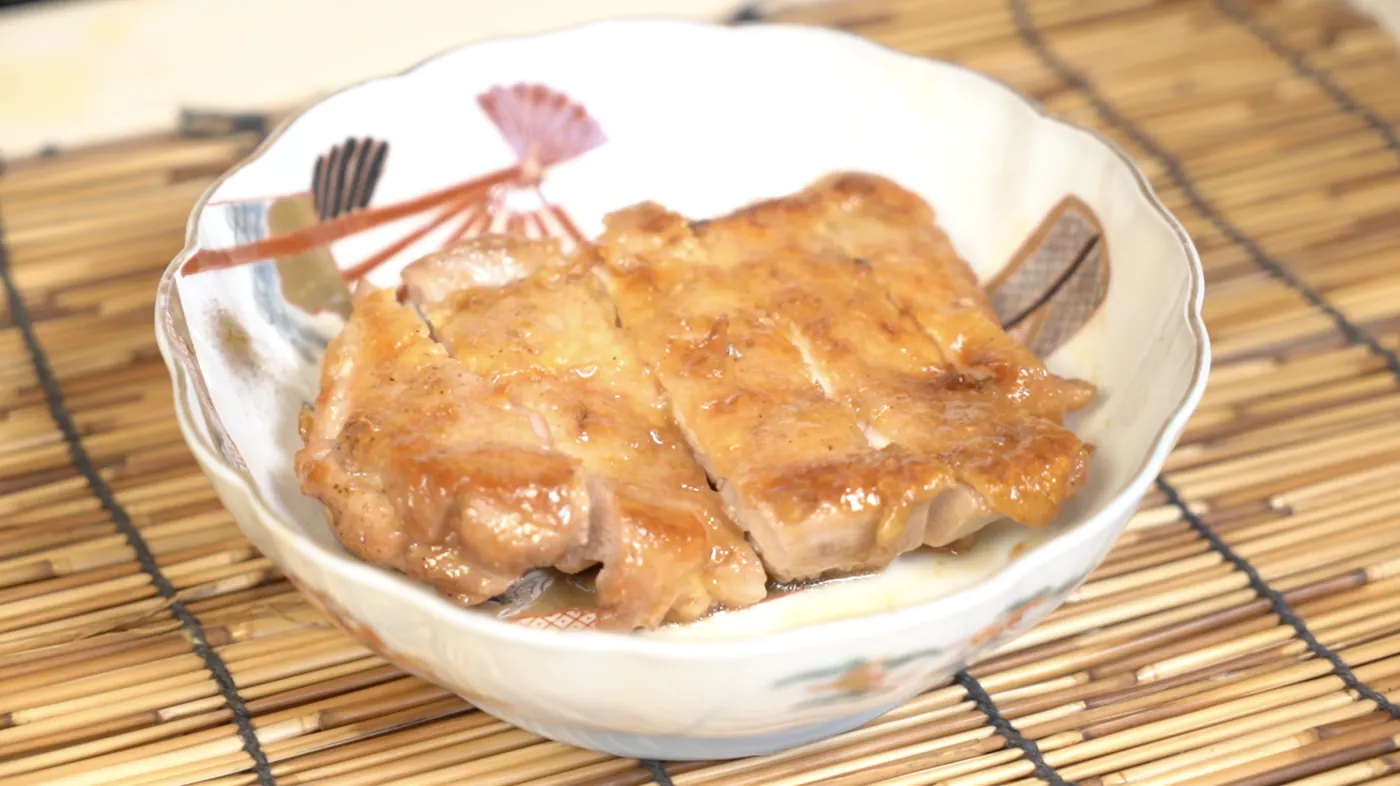
Main Dish鶏の照り焼き
Teriyaki Chicken
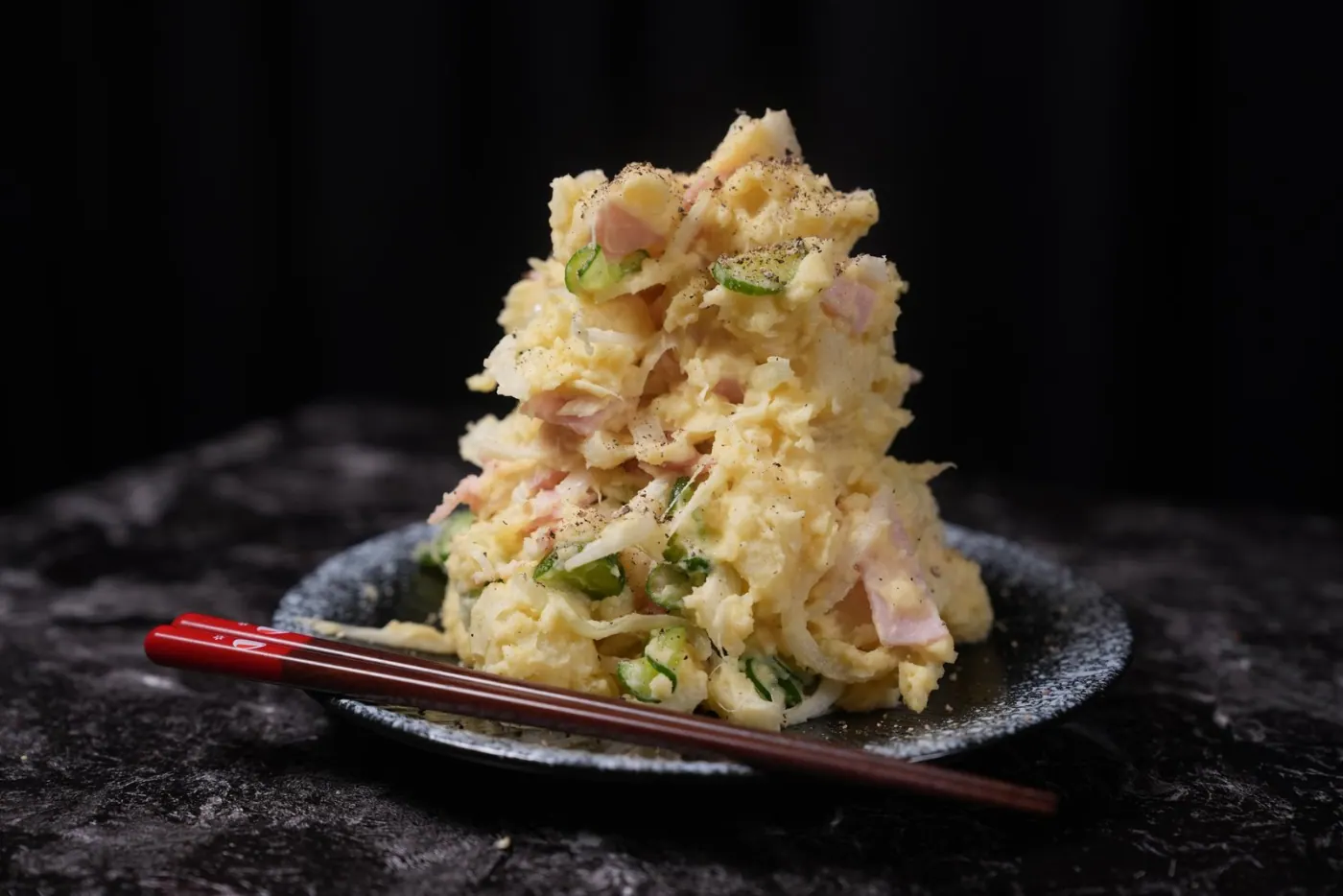
Appetizers & Sidesポテトサラダ
Japanese Potato Salad
Creamy Potato Salad with Ham
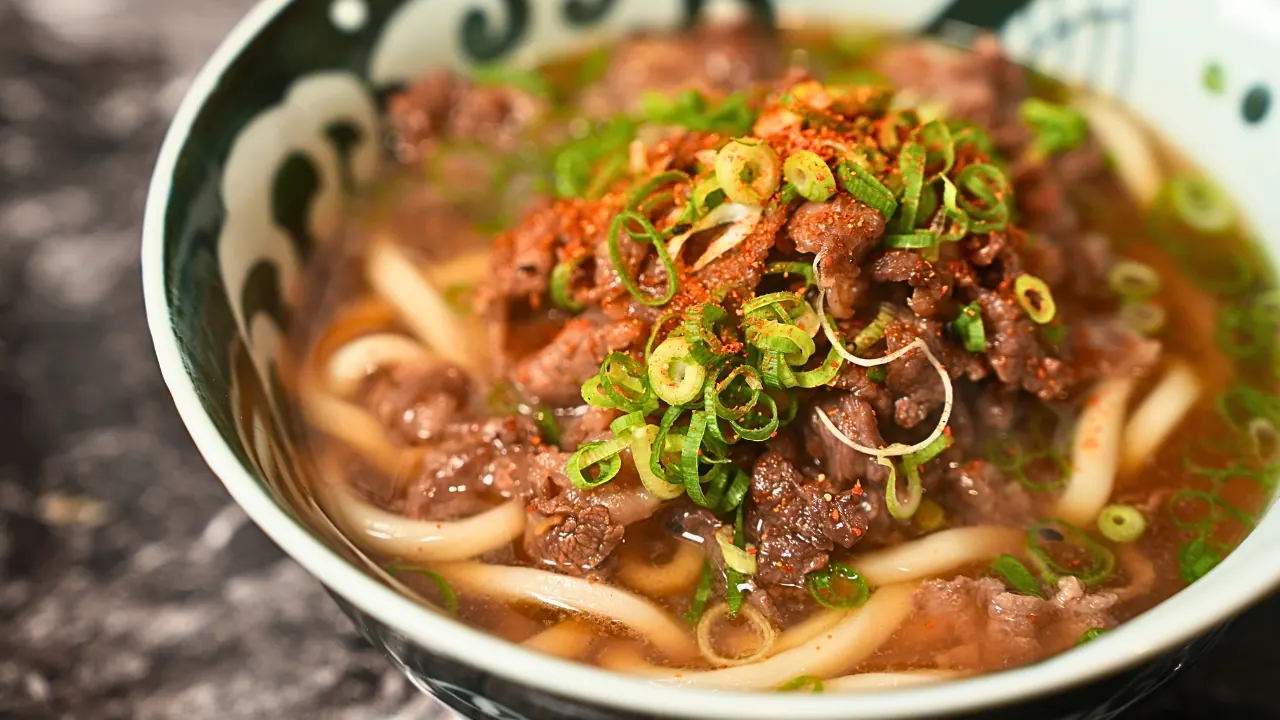
Noodles肉うどん
Niku Udon
Beef Udon Noodles
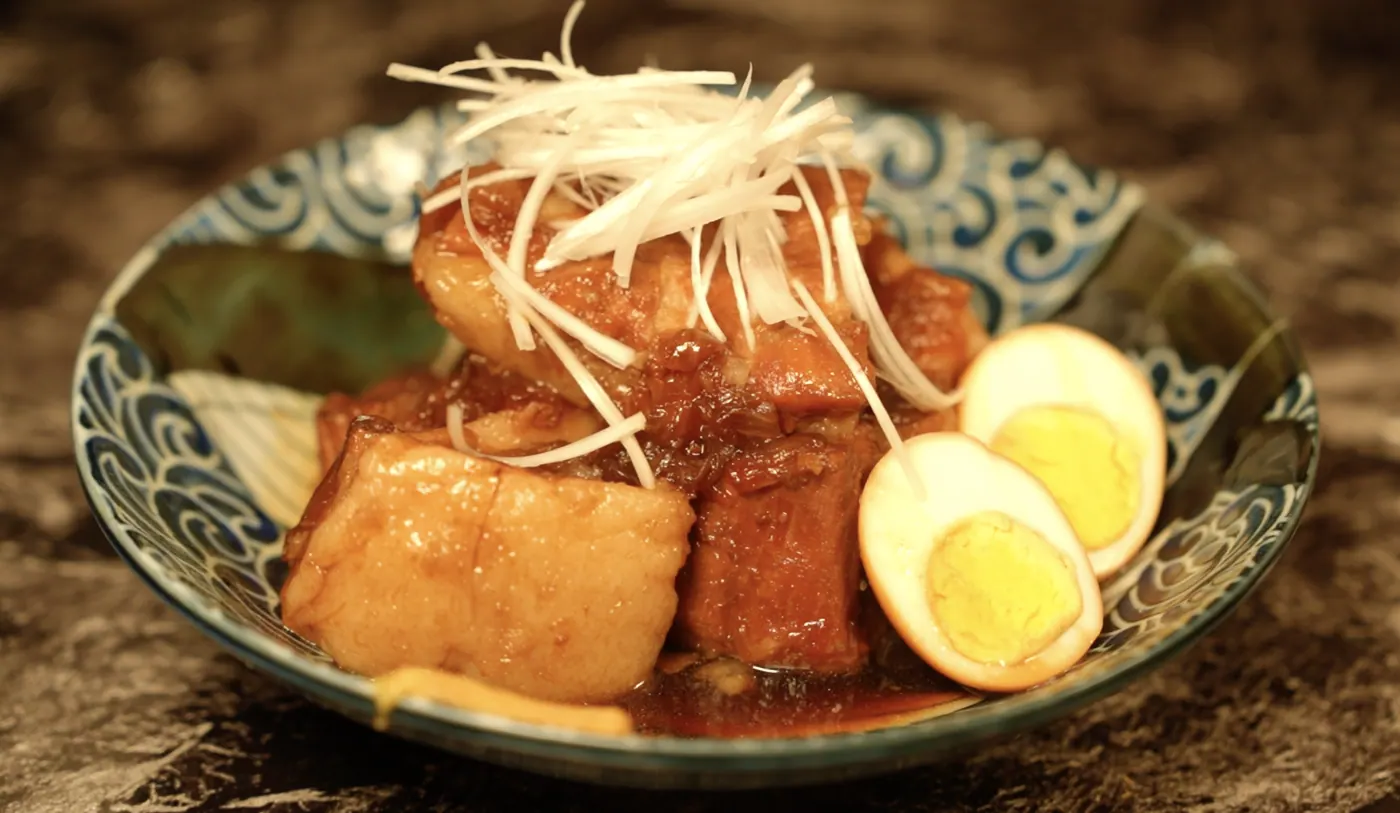
Main Dish豚の角煮
Kakuni
Japanese Braised Pork Belly
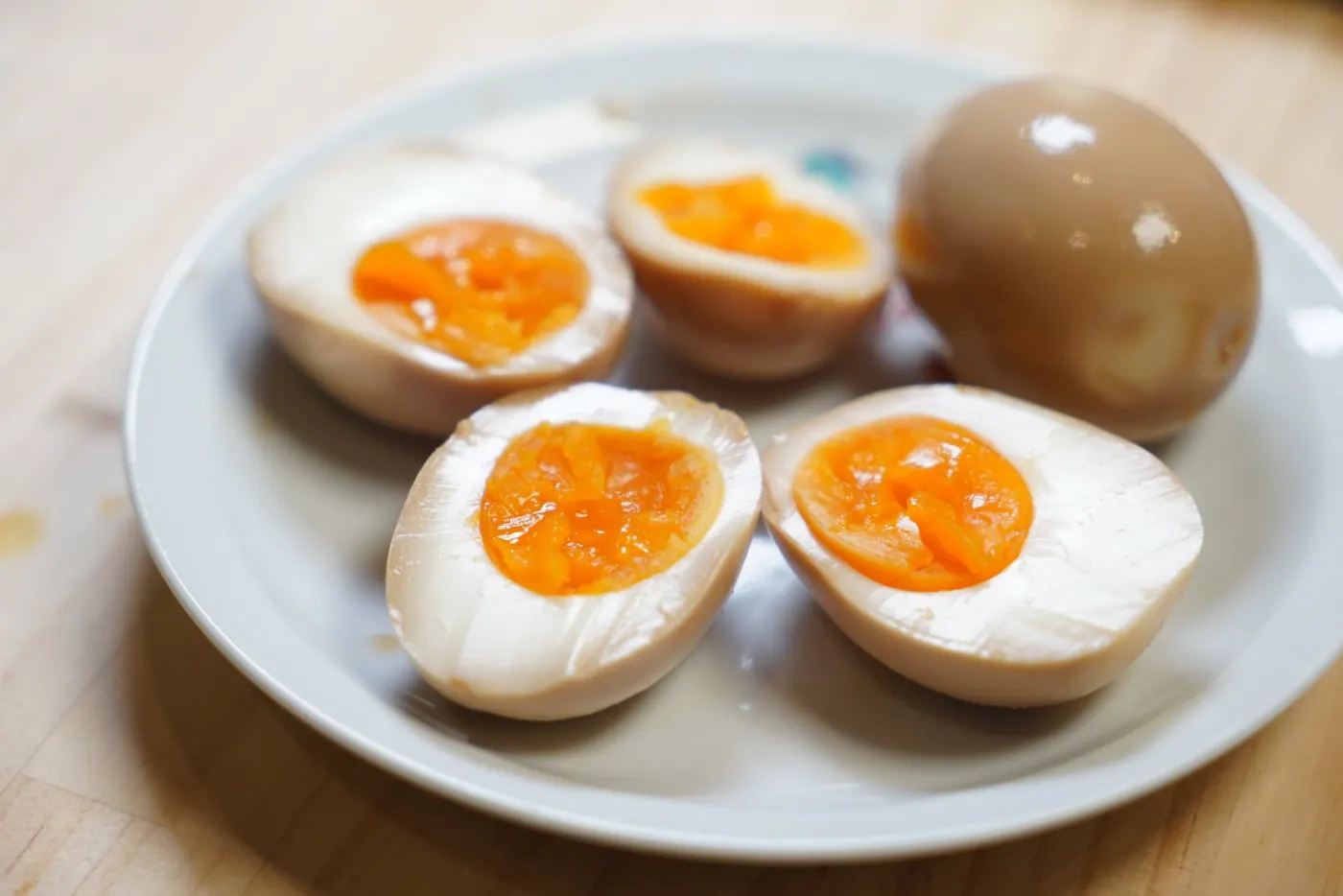
Appetizers & Sides煮卵(味玉)
Ramen Egg
Ajitama / Nitamago, Soy-Marinated Soft-Boiled Eggs
Frequently asked questions
Can I use regular sugar for Japanese recipes?
Yes. Regular white granulated sugar works in every recipe on this site. Use the same amount.
Why do Japanese recipes add sugar before soy sauce?
Sugar goes in early so it has time to soak into the ingredients. Soy sauce and miso go in later, partly to keep their aroma.
Can I use honey instead of sugar?
Yes. Honey is sweeter, so use a little less and taste. It gives a rounder flavor.
What is jōhakutō?
It is the standard white sugar in Japan. A little sugar syrup is added during production, which makes it soft and slightly moist.