What Is Rice Vinegar?
Rice vinegar is made in two fermentations. First, rice is turned into a sake-like liquid with koji and yeast. Then acetic acid bacteria turn that alcohol into vinegar. The rice gives it a soft, rounded flavor with a little natural sweetness.
In Japan, a vinegar can only be labeled 米酢 (komezu, rice vinegar) if at least 40 g of rice goes into every liter, under the Japanese Agricultural Standard. Despite the English name rice wine vinegar on some bottles, it is not the same as Chinese rice wine or mirin.
What Does Rice Vinegar Taste Like?
It is clearly sour but gentle, with less bite than white distilled or malt vinegar. Common Japanese brands are around 4 to 4.5% acidity, which is part of why it tastes milder. Heating it softens the sourness further, which is why vinegar in a braise mostly adds a light, fresh edge rather than a tang.
Types of Rice Vinegar and How to Read the Label
- Plain rice vinegar (米酢, komezu): the all-purpose choice. In English it may be called natural or unseasoned rice vinegar. The ingredients should just be rice vinegar and water.
- Pure rice vinegar (純米酢, junmai-su): made with rice as the only grain. The term is used by makers but is not defined in the Japanese standard, so check the ingredient list.
- Seasoned rice vinegar or sushi vinegar (すし酢, sushi-zu): rice vinegar with sugar and salt already added. Handy for sushi rice, but it will make other recipes sweeter and saltier.
- Grain vinegar (穀物酢, kokumotsu-su): made from a blend of grains. Cheaper and a little sharper.
- Black rice vinegar (米黒酢, kurozu): aged to a dark amber, with an earthier, fuller flavor. It is a different product, not a direct swap.
How to Use Rice Vinegar
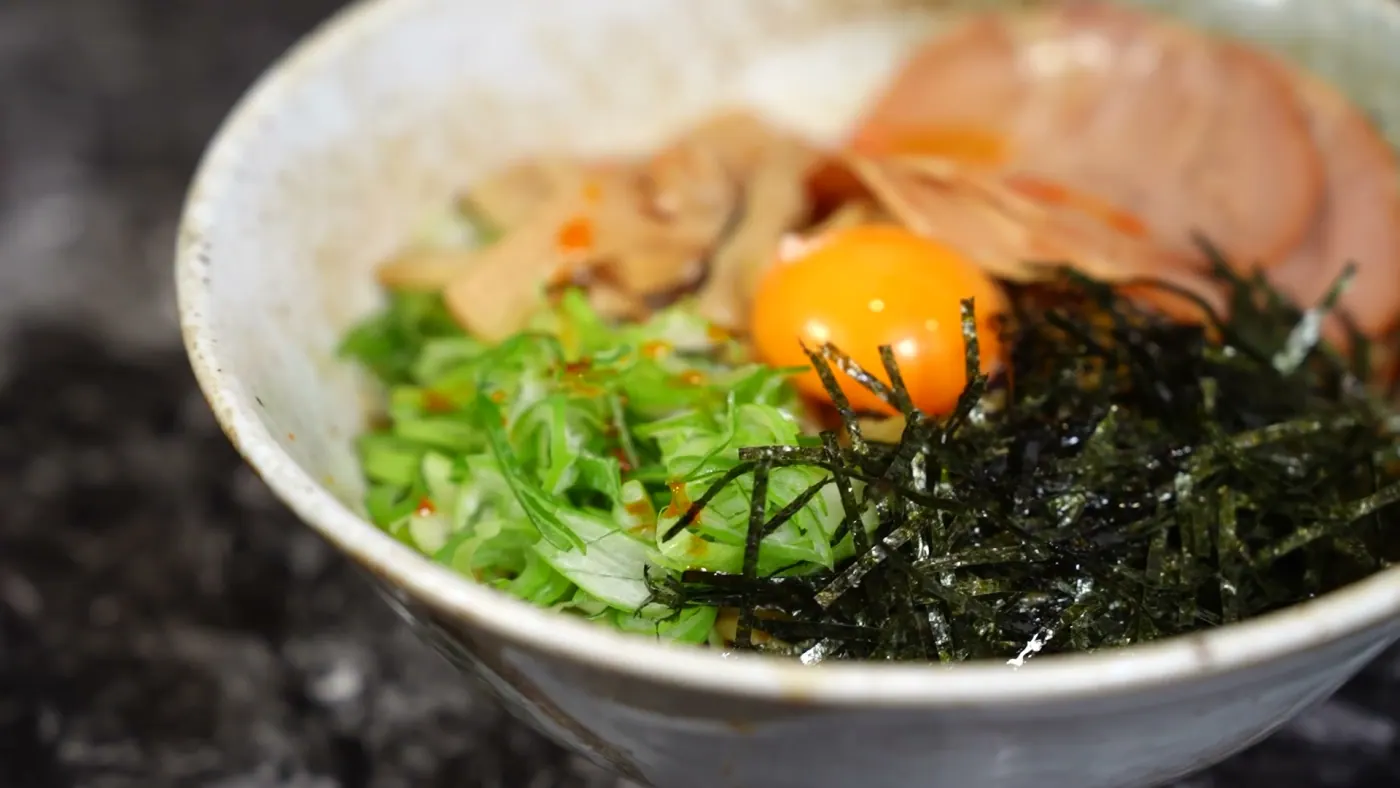
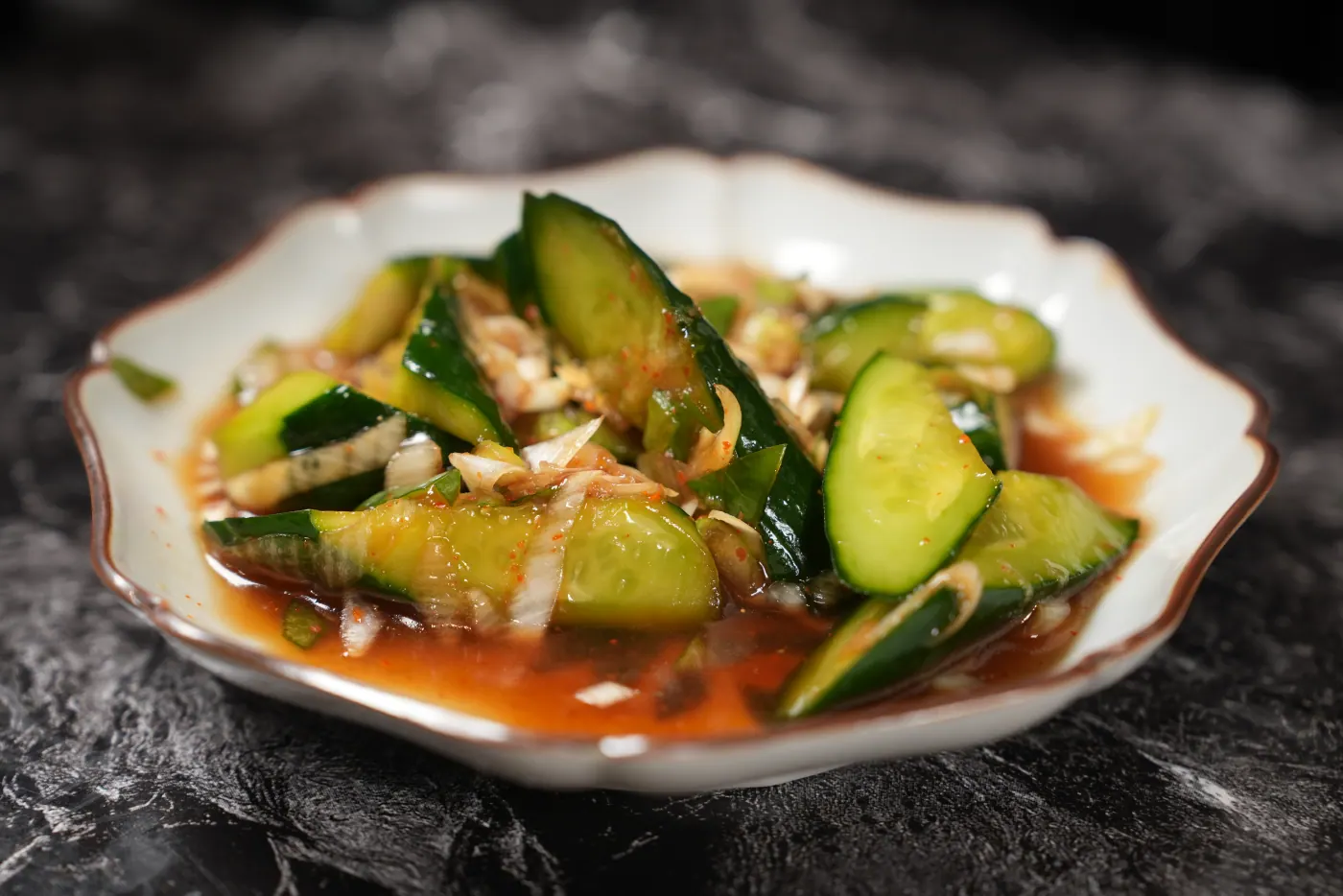
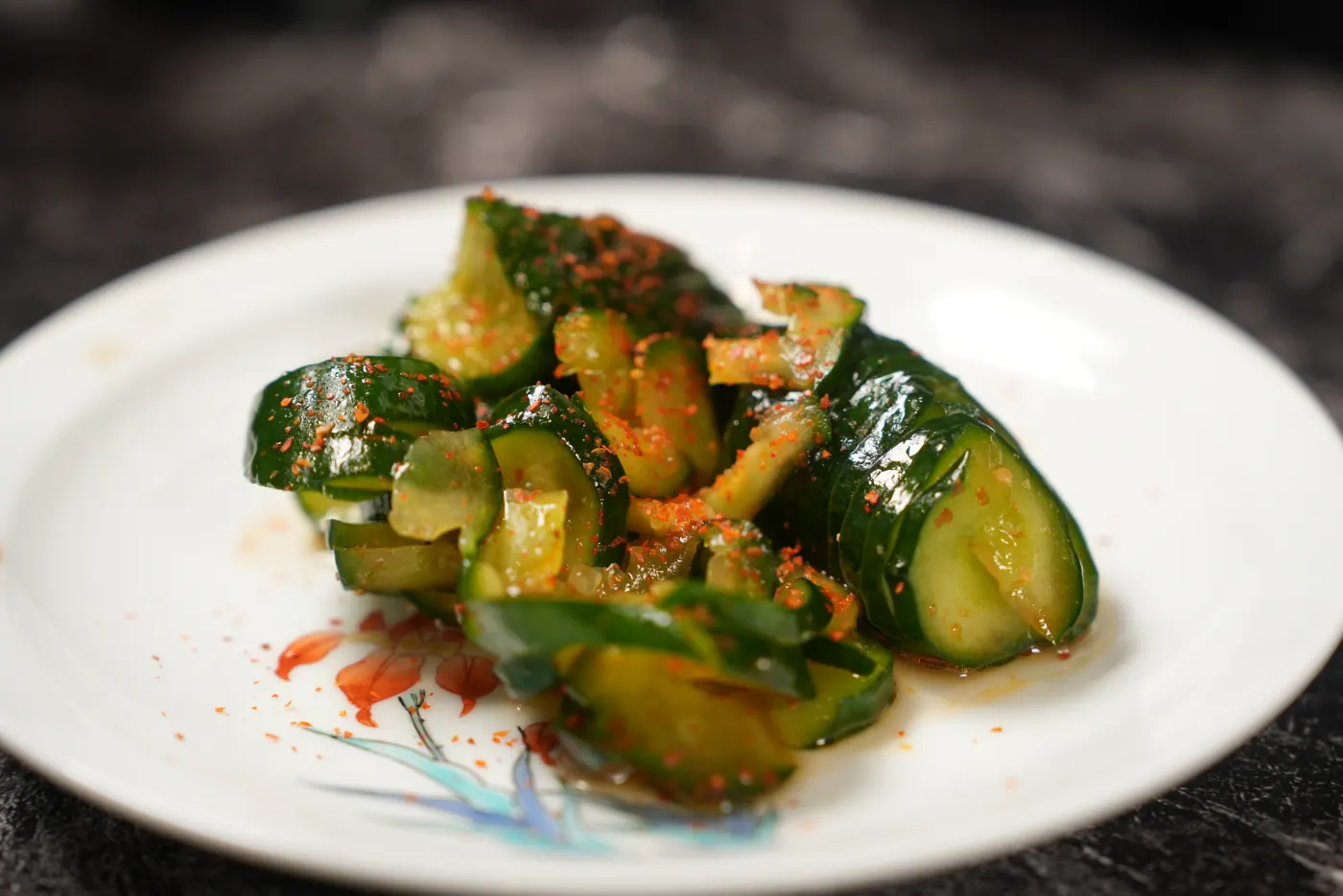
- Quick cucumber dishes. It brightens our Spicy Cucumber and Mugen Kyuri.
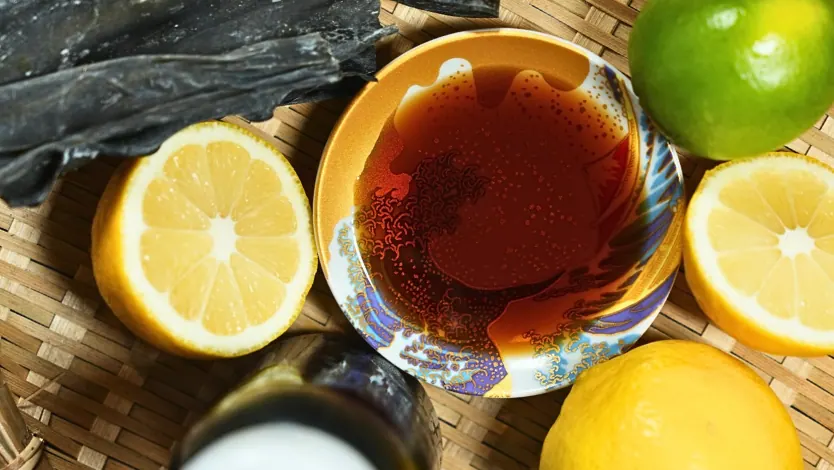
- Ponzu. Rice vinegar, citrus juice, soy sauce, mirin and kombu make our Ponzu.
- Sauces and braises. A small splash lifts rich, sweet sauces and keeps them from tasting heavy. Add it with the other seasonings and let it simmer briefly to soften the sourness.
- Sushi rice. Mix plain rice vinegar with sugar and salt and fold it into warm Japanese rice, or use ready-made sushi vinegar.
Where to Buy Rice Vinegar
Most supermarkets stock rice vinegar in the Asian aisle or beside the other vinegars. Mizkan is a widely sold Japanese brand. Bottles in the same row often include both plain and seasoned versions with similar labels, so look for the words natural, unseasoned or plain, and make sure sugar and salt are not in the ingredients.
Rice Vinegar Substitutes
- Apple cider vinegar: mild and slightly fruity, the closest everyday swap. Start with a little less and taste, since some brands are sharper.
- White wine vinegar: clean and fairly mild. Again, start with a little less.
- Seasoned rice vinegar: works if you cut back on the recipe's sugar and salt.
- Avoid malt vinegar and plain white distilled vinegar if you can; they are much harsher.
How to Store Rice Vinegar
Keep it tightly capped in a cool, dark cupboard. Vinegar is very stable, so it does not need the fridge, but its aroma fades slowly after opening. Use it by the date on the label for the best flavor.
Recipes using Rice vinegar
Frequently asked questions
Is rice vinegar the same as rice wine vinegar?
Yes. They are two English names for the same product. It is not the same as rice wine (such as sake) or mirin.
What is the difference between rice vinegar and seasoned rice vinegar?
Seasoned rice vinegar already contains sugar and salt for sushi rice. Plain rice vinegar has nothing added and is the one most recipes mean.
Can I use white vinegar instead of rice vinegar?
You can, but it is harsher. Use a little less, taste, and consider a pinch of sugar to soften it.
Does rice vinegar need to be refrigerated?
No. Keep it capped in a cool, dark cupboard.