Ingredient guide

Japanese Pantry List: 24 Essential Ingredients & Condiments

You only need a handful of seasonings to cook most Japanese home dishes. Here's what each one does, what to buy, and what to use if you can't find it. Each entry lists the recipes on this site that use it.

Start with these five

They are in most of our recipes — buy these first and you can cook almost everything on this site.

  1. Soy sauce — used in 35 of 52 recipes
  2. Sugar — used in 24 of 52 recipes
  3. Sake (cooking sake) — used in 21 of 52 recipes
  4. Mirin — used in 15 of 52 recipes
  5. Toasted sesame oil — used in 15 of 52 recipes

The core seasonings

Soy sauce 醤油 shoyu

Soy sauce is the backbone of Japanese seasoning: salty, savory and fragrant. Japanese recipes mean regular (koikuchi) soy sauce unless they say otherwise.

What to buy
A Japanese brewed soy sauce such as Kikkoman or Yamasa. Chinese light soy sauce is saltier and thinner, so start with a little less.
Substitute
Tamari is a good gluten-free alternative.

All about Soy sauce

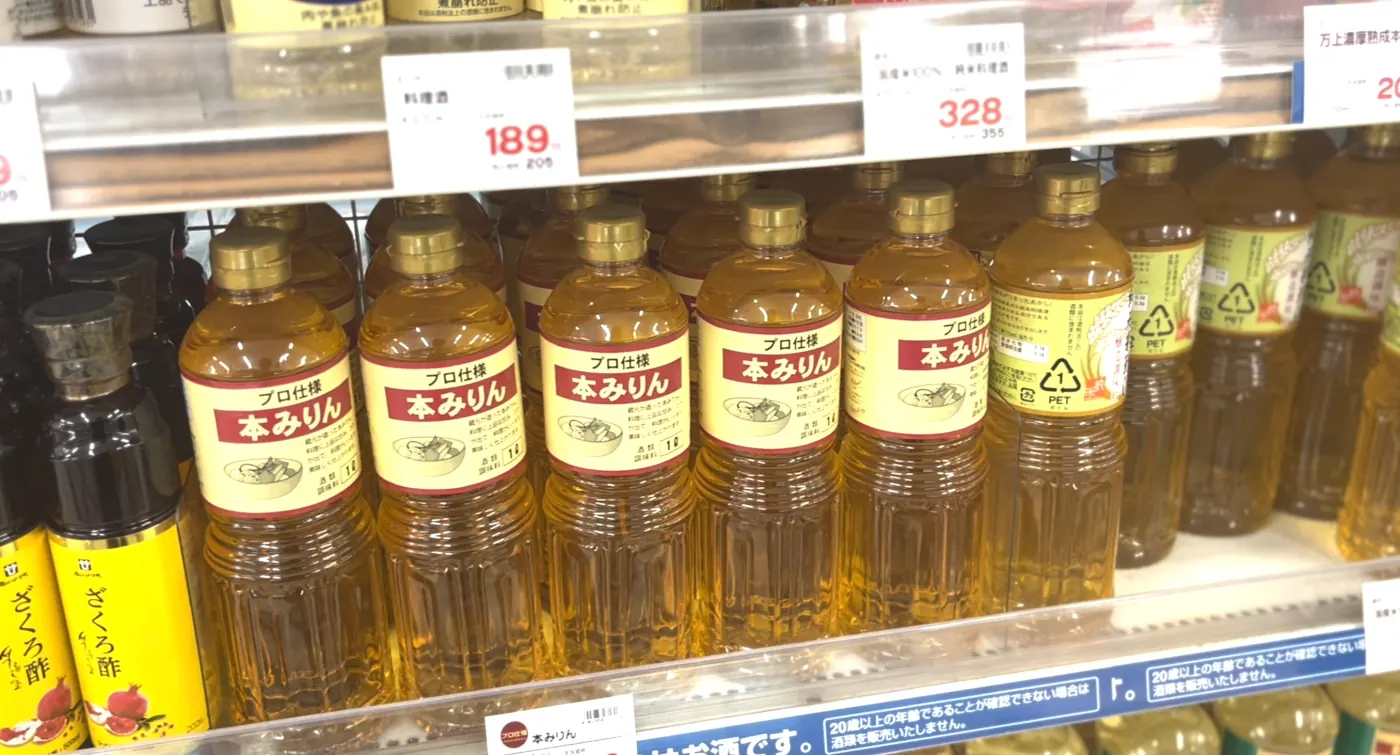
Bottles of hon-mirin (true mirin) on a Japanese supermarket shelf

Mirin みりん

Mirin is a sweet rice seasoning that adds gentle sweetness, gloss and depth, and helps sauces cling to food.

What to buy
Look for 本みりん (hon-mirin, true mirin) on the label. Products labelled 'aji-mirin' or みりん風調味料 (mirin-fu chōmiryō, “mirin-style seasoning”) are cheaper and sweeter, with little or no alcohol; they work in a pinch.
Substitute
Sake plus sugar or honey — see our mirin substitute. See the recipe.

All about Mirin

Sake (cooking sake) 酒 sake

Rice wine used to remove meaty odors, tenderize and add umami. Most of the alcohol cooks off.

What to buy
In our videos we use ryorishu (Japanese cooking sake) with salt added. Inexpensive drinking sake works too; if you use it, add a little salt.
Substitute
Dry sherry or Chinese Shaoxing wine. Taste near the end and add a little salt if needed.

All about Sake

Sugar 砂糖 sato

Japanese cooking balances salty soy sauce with sweetness. Sugar is added early so it can soak into the ingredients.

What to buy
Regular white sugar works for every recipe here.
Substitute
Honey (use a little less) adds a rounder flavor.

All about Sugar

Miso Soup · 4:09

Jump to a part of the video (15 chapters)

Miso 味噌

Fermented soybean paste with deep, savory flavor. Added at the end of cooking so its aroma isn't boiled away.

What to buy
Awase (mixed) miso is the most versatile. White miso is sweeter; red miso is saltier and stronger.
Substitute
There's no true substitute — miso is worth buying.

Used in 2 recipes

All about Miso

Dashi and umami

How to Make Dashi (5 Types) · 7:51

Jump to a part of the video (10 chapters)

Dashi 出汁

Japan's basic stock, usually made from kombu and bonito flakes. It gives Japanese food its clean, savory taste.

What to buy
Homemade is best, but instant dashi powder (such as Hondashi) or dashi packs are what many Japanese families use on weeknights.
Substitute
For a vegetarian version, use kombu dashi (kombu soaked in water).

All about Dashi

Starches, oils and finishing touches

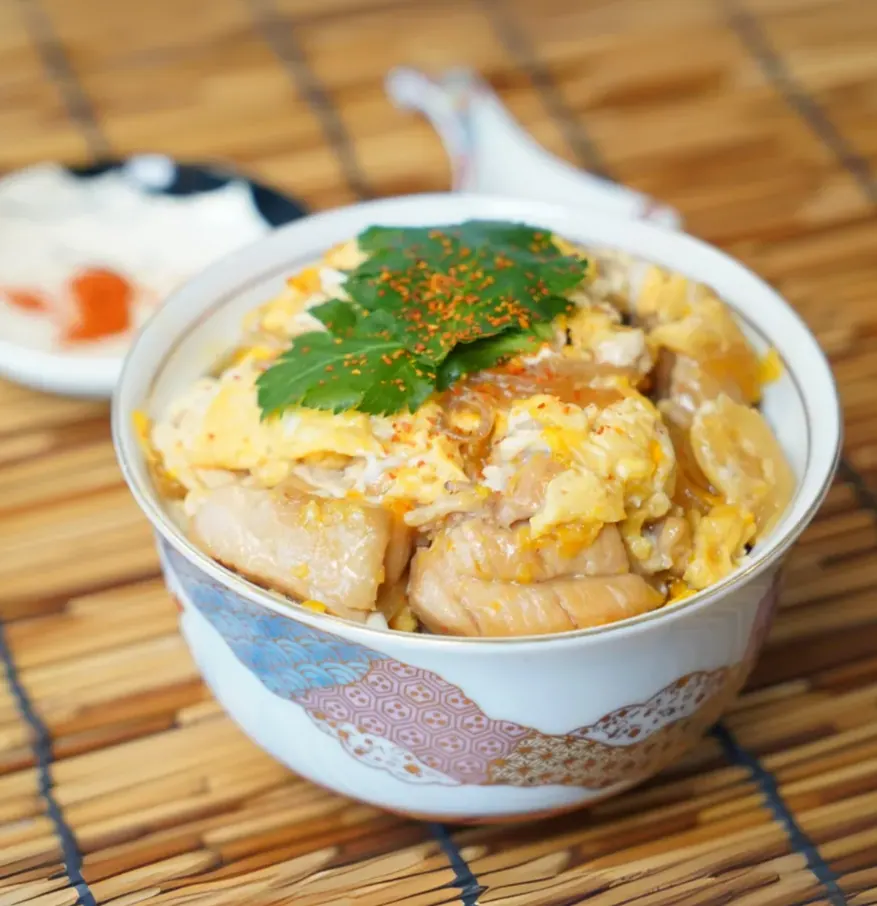
Oyakodon topped with fresh mitsuba (Japanese wild parsley) leaves

Mitsuba 三つ葉

Mitsuba is a fresh Japanese herb with a light, celery-like aroma.

What to buy
Japanese grocers.
Substitute
Italian parsley or green onion.

Used in 1 recipe

All about Mitsuba

Noodles and staples

Udon noodles うどん

Thick, chewy wheat noodles.

What to buy
Frozen udon has the best texture and cooks in about a minute.
Substitute
Dried udon (cook a little longer).

Used in 2 recipes

All about Udon noodles

How to Cook Japanese Rice Without a Rice Cooker · 5:50

Jump to a part of the video (9 chapters)

Japanese short-grain rice 米 kome

Sticky, slightly sweet short-grain rice — the base of every rice bowl.

What to buy
Japanese or Californian short-grain rice (often labelled 'sushi rice').
Substitute
Medium-grain rice.

All about Japanese short-grain rice

Toppings and condiments

Japanese mayonnaise マヨネーズ mayonezu

Japanese mayonnaise is made with egg yolks rather than whole eggs, so it's richer and a little tangier than most Western mayonnaise. It goes on okonomiyaki and takoyaki, and into potato salad and egg sandwiches.

What to buy
Kewpie is the best-known brand, sold in a soft squeeze bottle at most Asian grocery stores.
Substitute
Regular mayonnaise. For a closer taste, stir in a few drops of rice vinegar and a small pinch of sugar.

Nori seaweed 海苔 nori

Thin sheets of dried, roasted seaweed. Laid on ramen or cut into strips over rice bowls, it adds a toasty sea flavor.

What to buy
Roasted nori (yaki-nori) sold for sushi rolls. Shredded nori (kizami nori) is sold ready-cut.
Substitute
Cut the sheets into thin strips with scissors instead of buying shredded nori, or leave it out.

Aonori (green seaweed flakes) 青のり aonori

Bright green seaweed flakes with a fresh sea aroma, sprinkled over okonomiyaki, takoyaki and yakisoba. It's a different product from nori sheets.

What to buy
Sold in small bags or shaker jars at Japanese grocery stores.
Substitute
Finely crumbled nori sheets. The color and aroma are milder.

Beni shoga (pickled red ginger) 紅しょうが beni shoga

Thin strips of ginger pickled until bright red, with a sharp, salty-sour bite. A classic topping for gyudon, yakisoba and okonomiyaki, and chopped into takoyaki.

What to buy
Sold in small bags or jars, already cut into thin strips.
Substitute
Sushi ginger (gari) cut into thin strips. It's sweeter and pale pink.

Karashi (Japanese mustard) からし karashi

Hot Japanese mustard. A dab is served with kakuni, and a little goes into potato salad and egg sandwiches for a kick.

What to buy
A paste in a tube, or powder that you mix with a little water.
Substitute
Hot English mustard. Dijon mustard is milder, so use a little more.