- Prep
- 20 min
- Cook
- 15 min
- Total
- 35 min
- Servings
- 1
- Difficulty
- Intermediate
What is Miso Ramen?
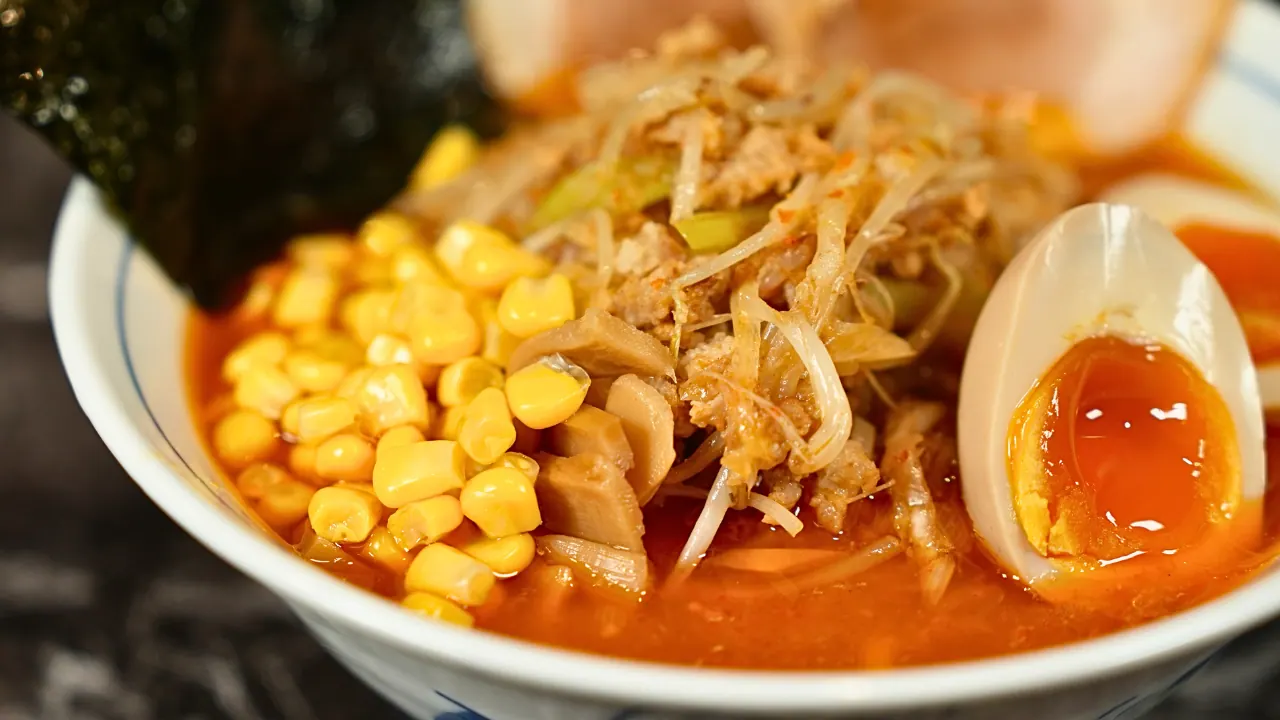
Miso ramen is one of Japan's most beloved ramen varieties, featuring a rich miso-based broth concentrated with pork and dashi umami. This recipe's standout feature is that you can make authentic miso ramen at home without a blender.
By finely chopping pork belly with a knife, the rich umami seeps into the broth. Microwaving bonito flakes to powder form creates a smooth, velvety soup.
Why You'll Love This Recipe
- No blender needed - Make authentic broth using only a knife
- Ready in 35 minutes - Quick enough to make whenever the craving hits
- Rich umami flavor - Concentrated pork and dashi create deep complexity
- Restaurant quality at home - Achieve professional-level taste in your kitchen
- Customizable toppings - Make it your own with your favorite additions
Recipe Highlights
- Microwave bonito flakes to powder form for silky-smooth broth
- Finely chop pork belly with a knife to infuse maximum umami
- Add miso off the heat and keep the broth below a boil to preserve its aroma
- Kombu dashi adds elegant depth to the soup
Equipment Needed
- Deep skillet or wide pot (for soup)
- Large pot (for boiling noodles)
- Knife and cutting board
- Small bowl
- Grater (for garlic and ginger)
- Ramen bowl
- Measuring spoons
Miso Ramen Ingredients (Serves 1)
21 ingredients · 1 serving
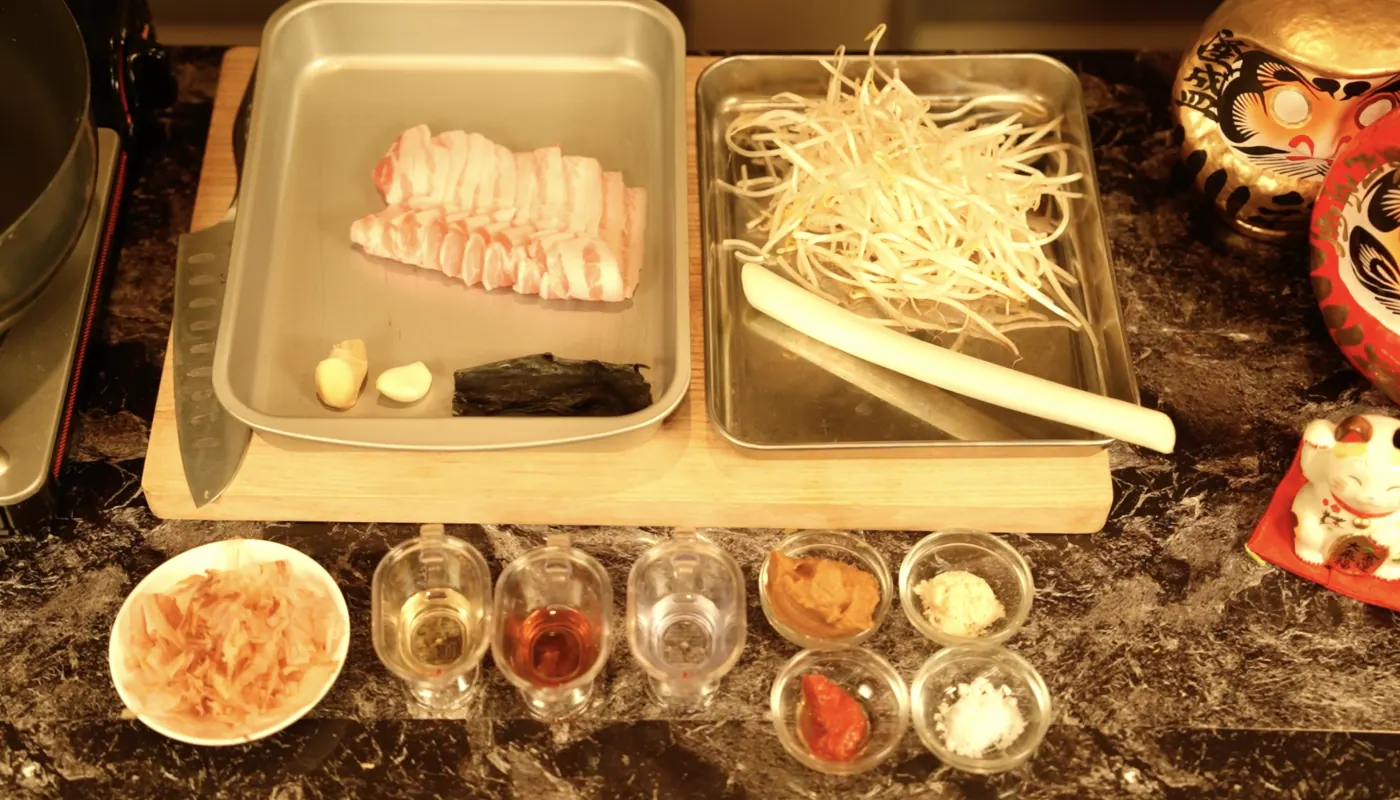
ramen noodles, green onion, bean sprouts, pork belly, bonito flakes, kombu dashi, garlic clove, fresh ginger, sesame oil, mirin, sugar, cooking sake, miso paste, toubanjiang, chicken bouillon powder, marinated soft-boiled eggs, chashu pork, nori seaweed, corn, butter, green onions.
From scratch: how to make dashi
Full amounts in the recipe cardIngredient Substitutions
- Pork belly: Ground pork works, but pork belly has more fat and creates richer flavor
- Kombu dashi: Can substitute with dashi powder. Dissolve the specified amount in 300ml water
- Toubanjiang: If you don't like spice, substitute with additional miso
- Ramen noodles: Thick noodles pair best with rich miso broth, but use your preferred noodles
Video Tutorial
For a visual guide to this recipe, watch the video below. You'll see the knife technique for chopping pork, how to powder bonito flakes, and the perfect timing for adding miso.

How to Make Miso Ramen
Prep: Vegetables and Bonito Flakes
Slice green onions diagonally
Take 50g (about 1/2 stalk) of green onion and slice it diagonally. Cut like this for perfect results.
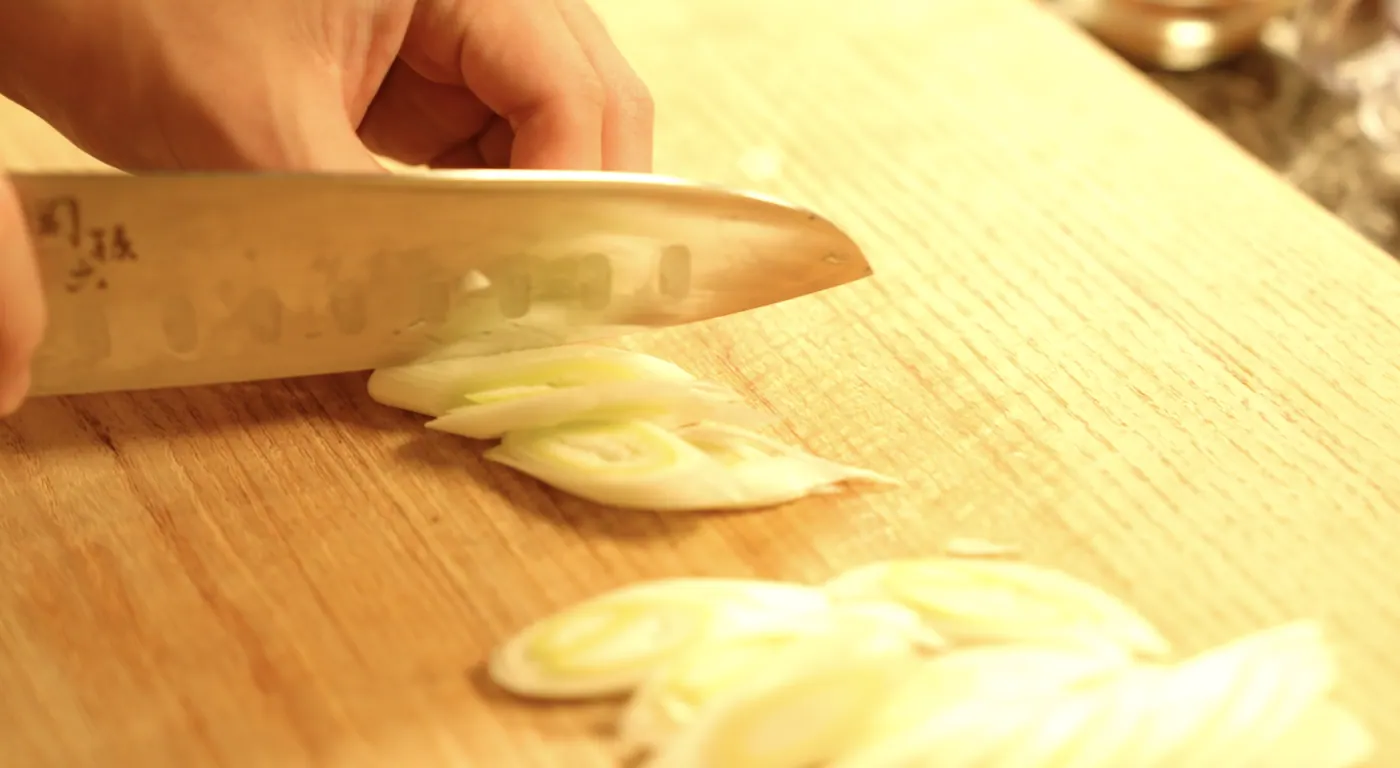
Why diagonal cuts?
Diagonal slicing:
- Allows flavors to penetrate more easily
- Cooks faster
- Creates a more elegant presentation
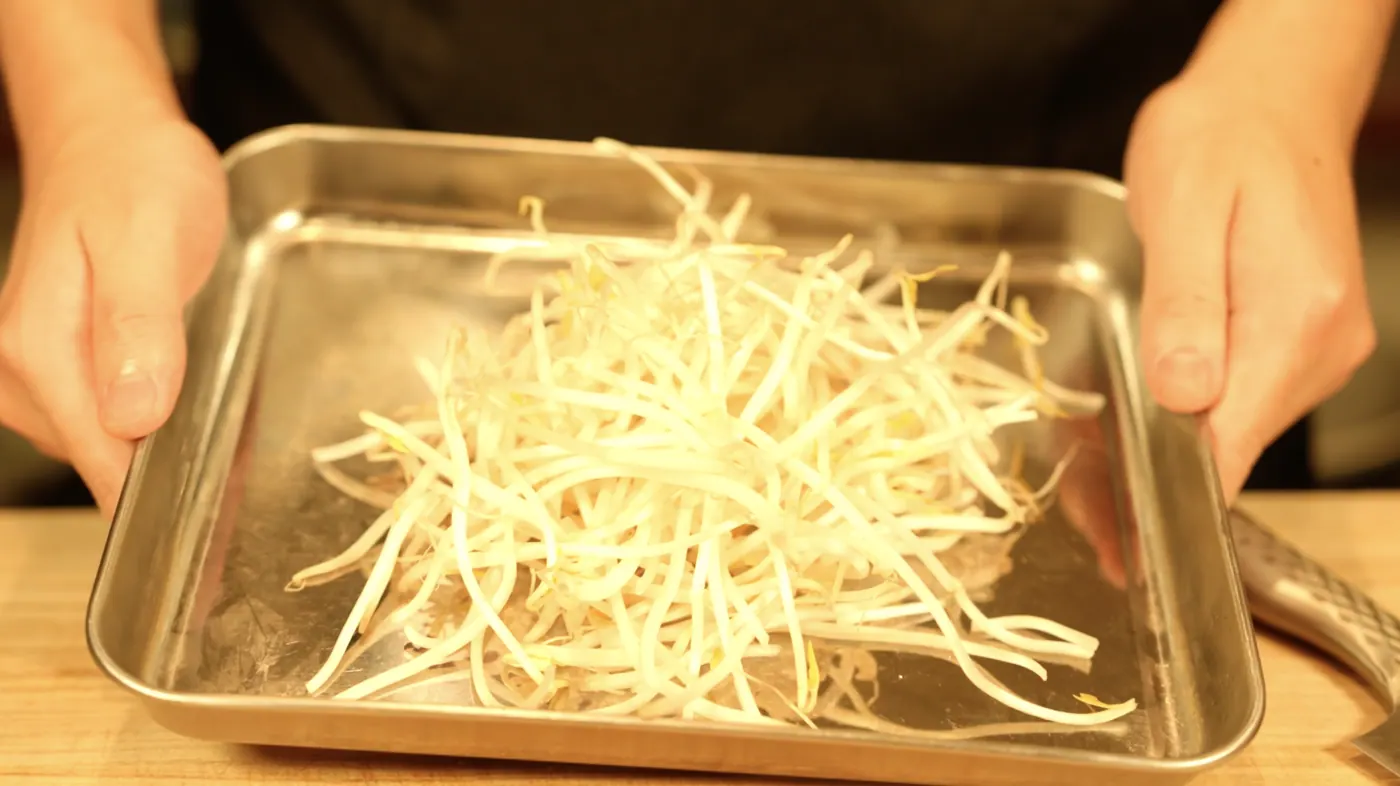
Prepare bean sprouts
Prepare 100g of bean sprouts. We'll use them as-is, so no prep needed.
Microwave bonito flakes
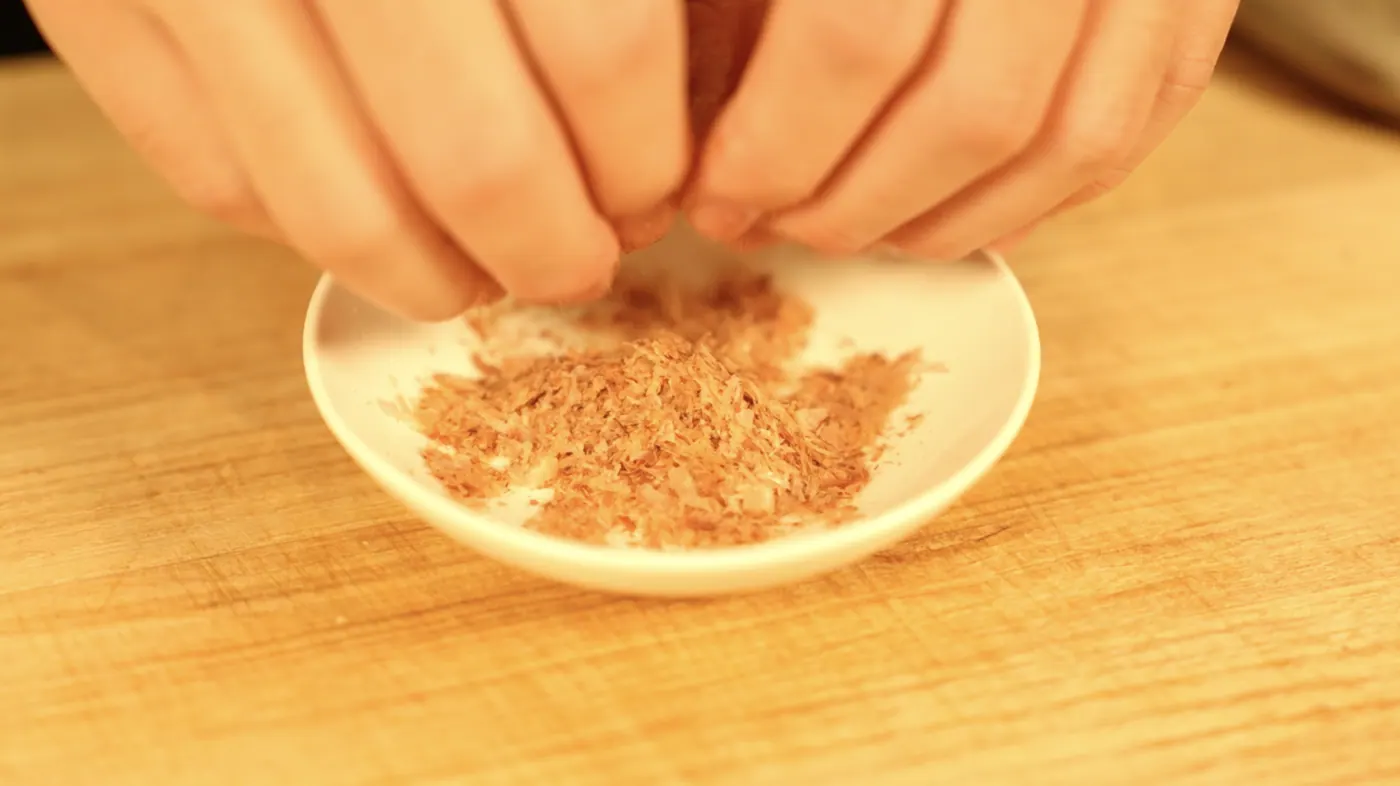
Prepare 3g of bonito flakes. While you can use them as-is, we'll microwave them at 500W for 30 seconds.
Why microwave bonito flakes?
Microwaving bonito flakes:
- Makes them easier to crumble into powder
- Creates silky-smooth soup texture
- Releases umami more readily
This simple step creates professional results!
After heating, gently crumble with your hands to create a fine powder. Perfect.
Preparing the Pork
Finely chop pork belly
Prepare 80g of pork belly. While ground pork works as a substitute, pork belly has more fat and creates much richer flavor. In this recipe, the pork isn't a main topping but rather used to infuse the broth with umami.
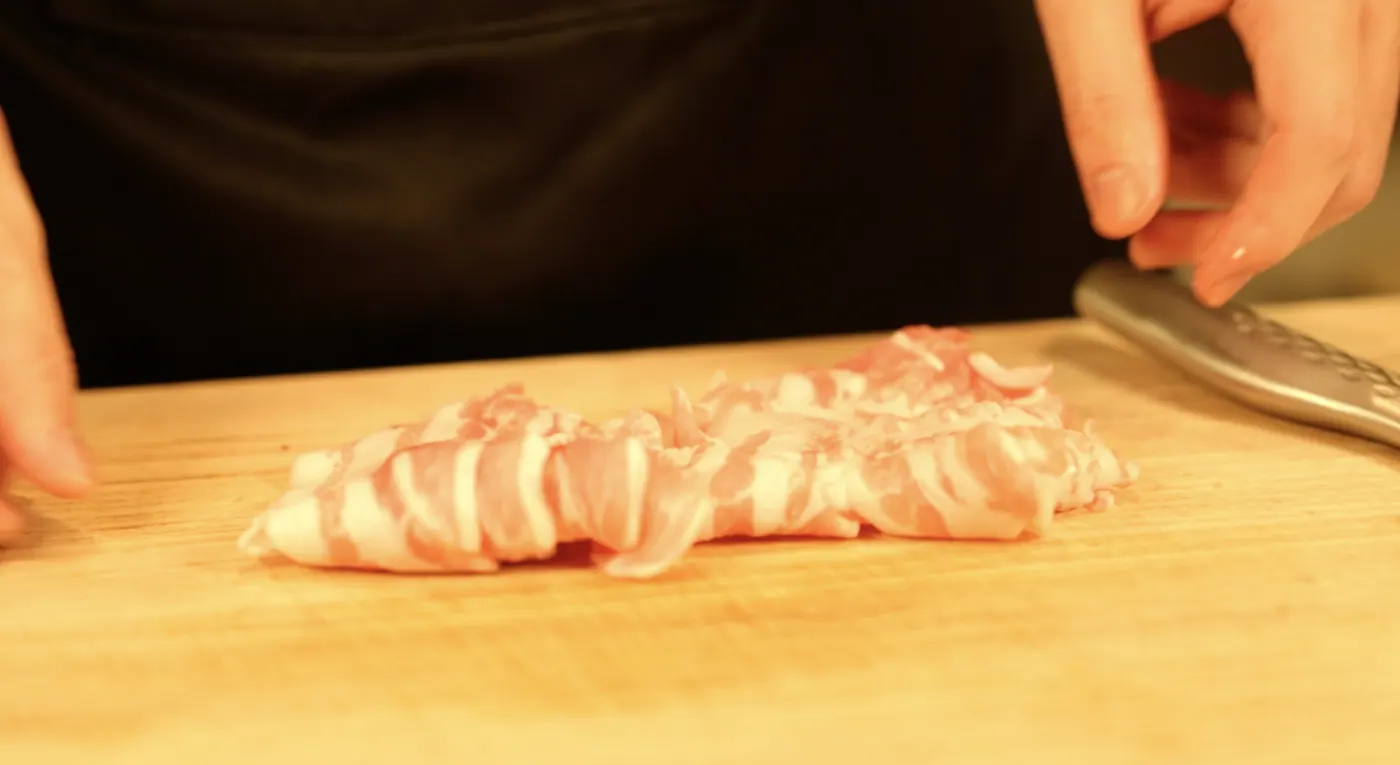
First, pound the pork with the back of your knife to tenderize it. Once softened, begin mincing finely.
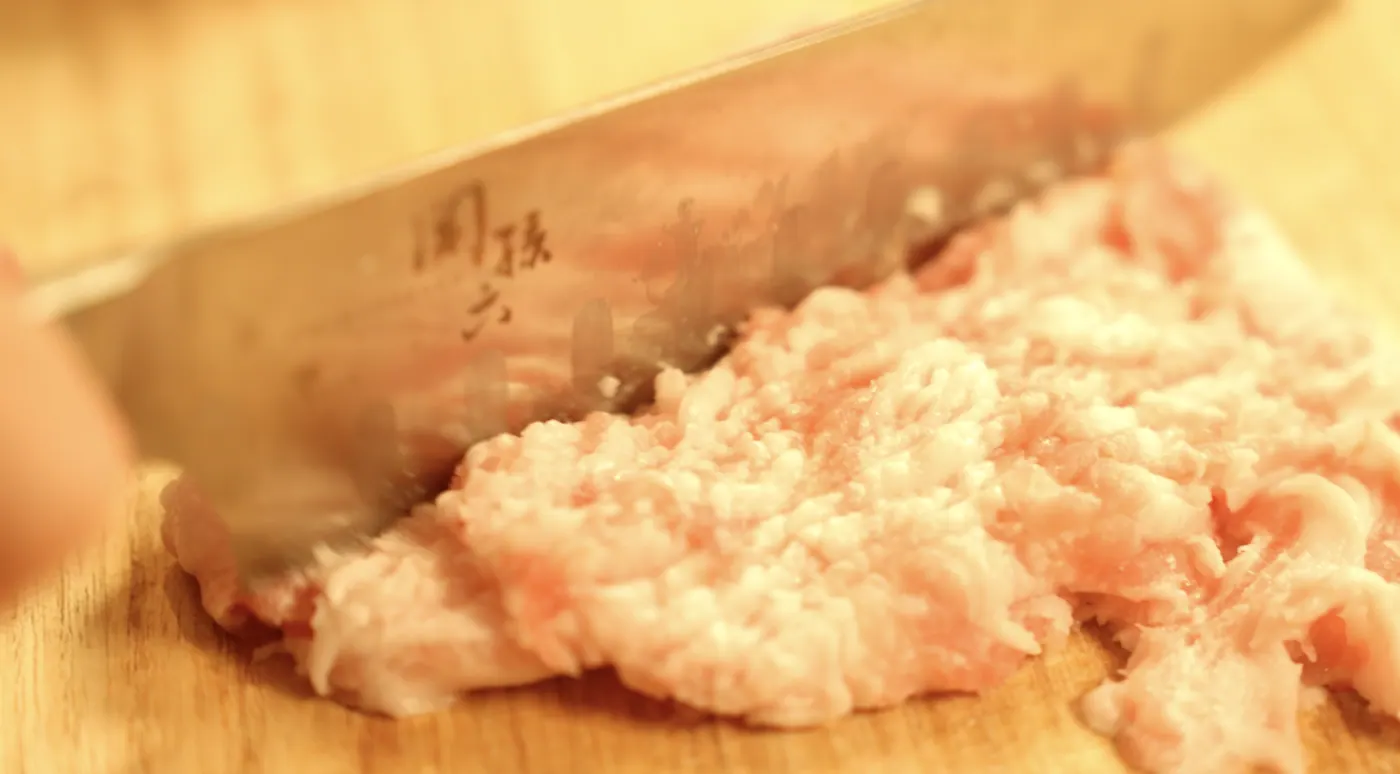
After chopping for about a minute, it will start breaking down finely. This is the source of the broth's umami, so keep at it. After 2-3 minutes of chopping, when it looks like this, you're done!
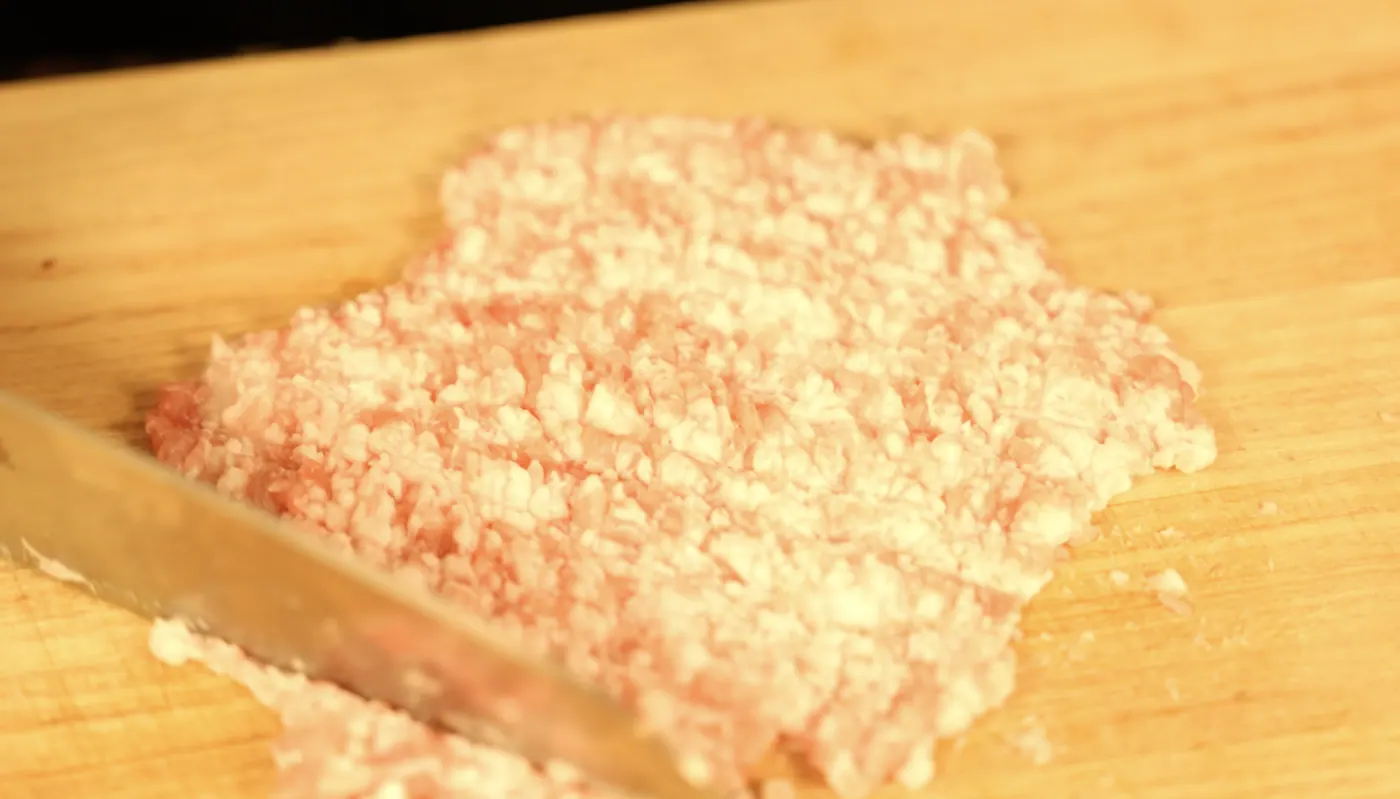
Why finely chop the pork?
Finely chopping pork:
- Allows umami to dissolve more easily into the broth
- Distributes fat flavor throughout the soup
- Creates smooth broth without needing a blender
Using pork belly instead of ground meat delivers much richer umami.
Making the Broth
Sauté pork in skillet
Since we'll make the broth in the same pan, use a deep skillet. Add 2 tsp sesame oil to the skillet and sauté the pork over medium heat.
Cook until the pork develops some color. After 2 minutes, fat will begin rendering from the pork.
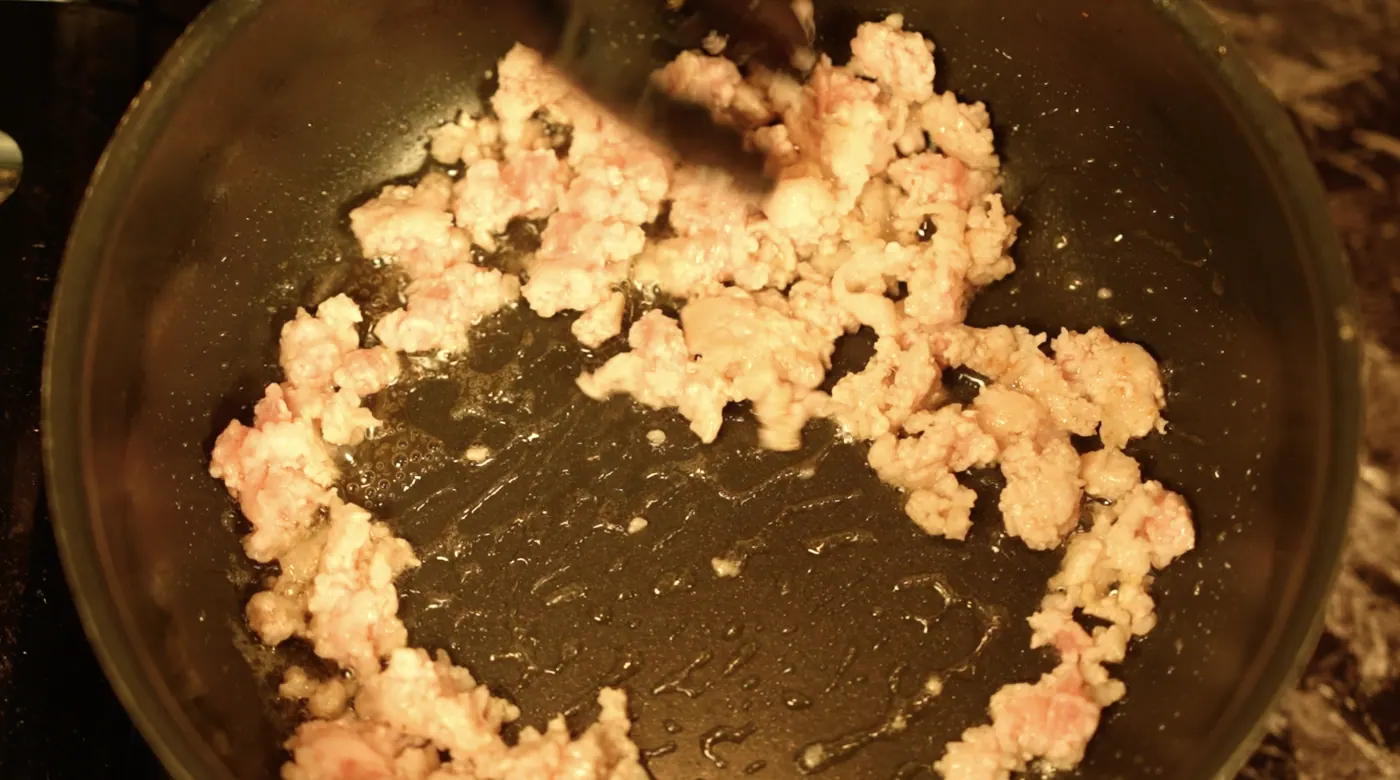
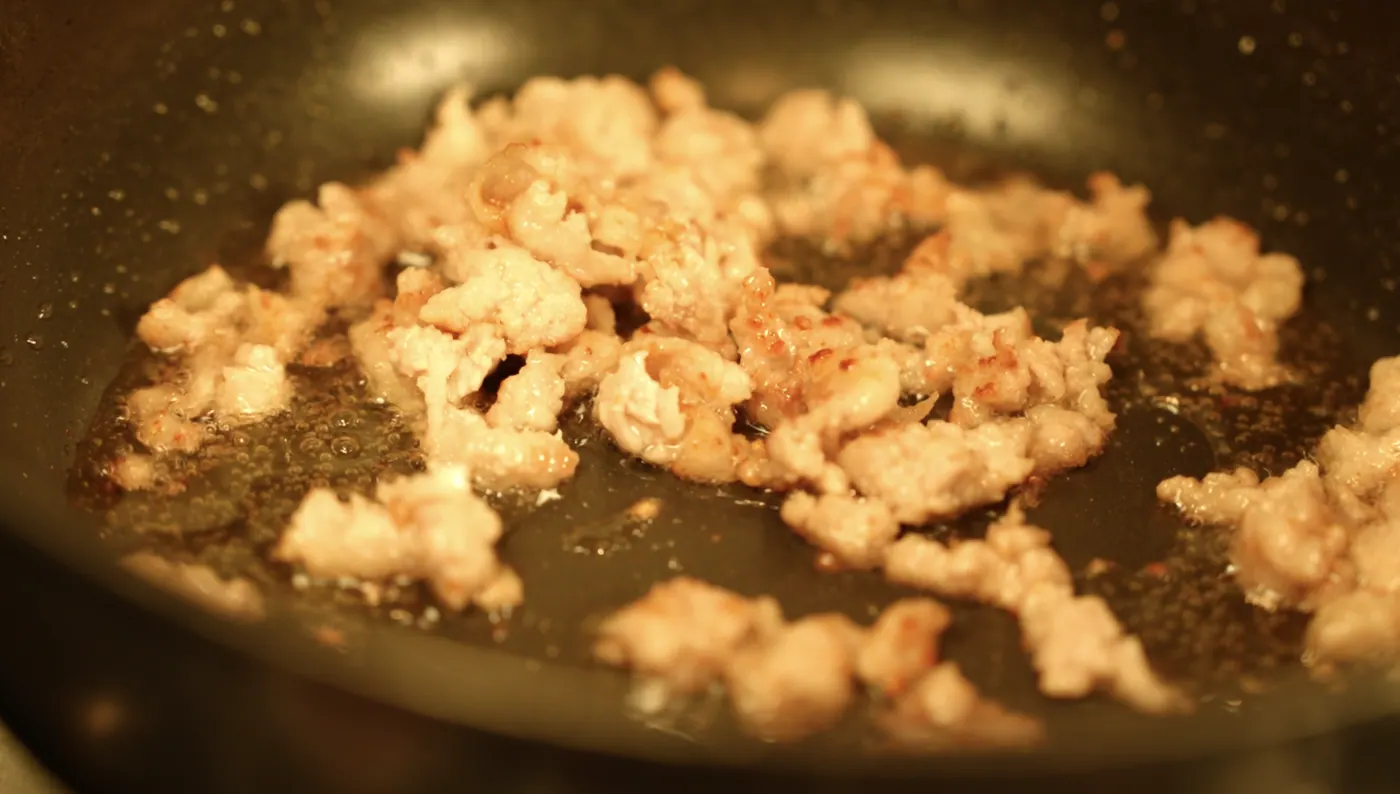
The rendered pork fat is packed with umami, so sauté thoroughly to extract all that flavor. It's the secret to delicious broth!
When lightly browned like this, you're ready to proceed!
Add kombu dashi
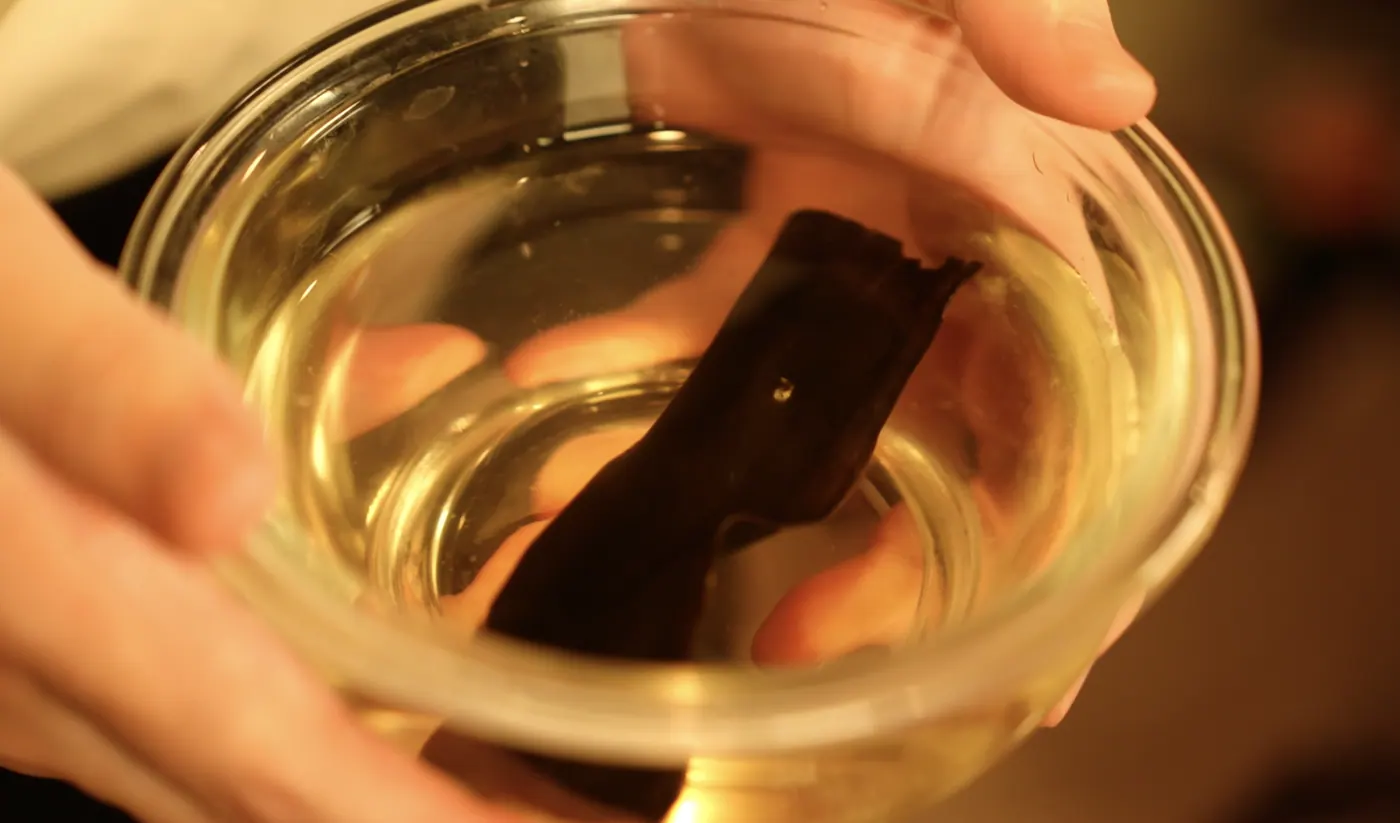
At this point, add the dashi. Prepare 300ml of kombu dashi.
How to make kombu dashi
You can make kombu dashi two ways:
- Soak 5g kombu in 300ml water for 3 hours
- After bringing water to boil, add kombu and let steep for 20 minutes
For a quick option, dashi powder works great too!
Add seasonings
Turn heat to medium and add the seasonings.
- 3g bonito flakes (the powdered flakes from step 3)
- 1 tbsp mirin (adds subtle sweetness)
- 1/2 tsp sugar
- 1 tbsp cooking sake (adds depth)
- 1 clove garlic (grated)
- 5g fresh ginger (grated, for aroma)
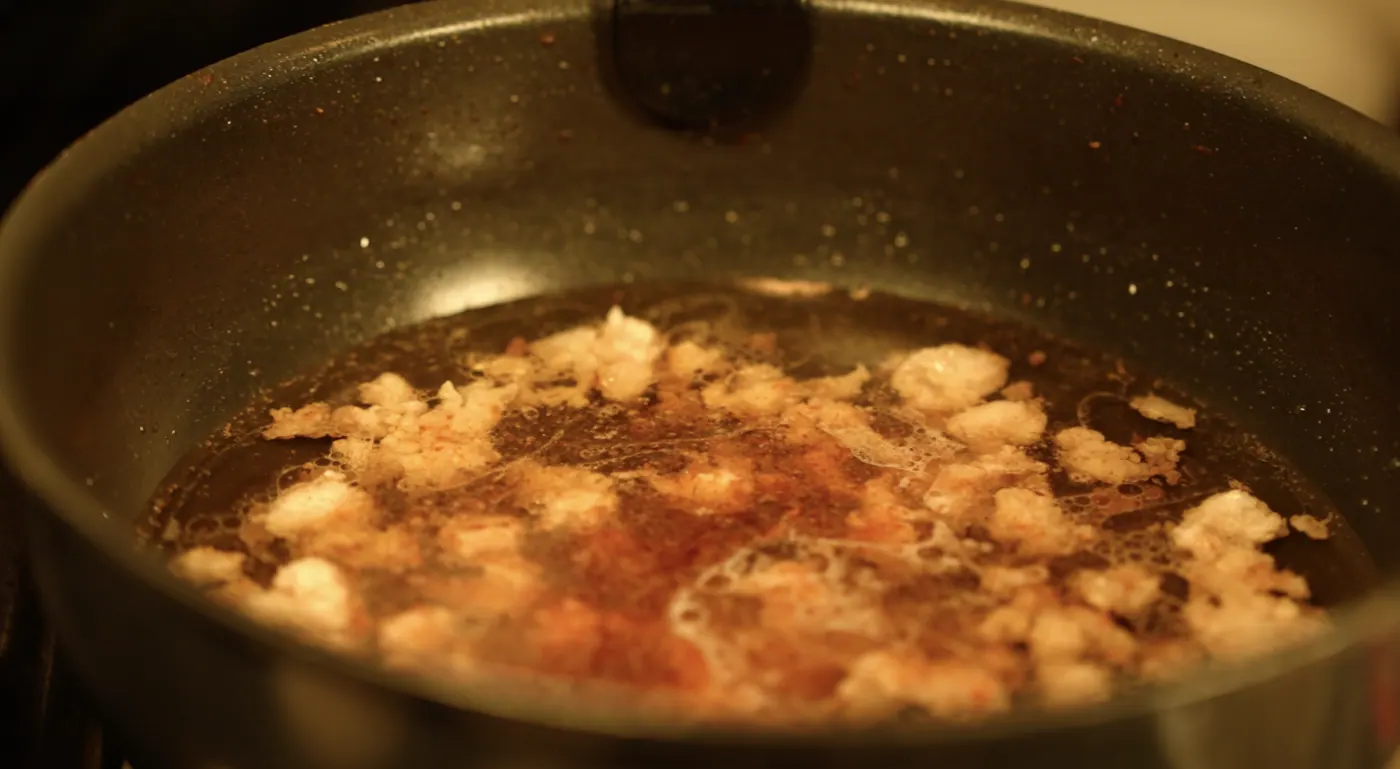
Don't add miso yet. Once the broth comes to a boil, be sure to turn off the heat.
Why turn off heat before adding miso?
Adding miso to boiling liquid causes the desirable aromatic compounds to evaporate. Maintaining just-below-boiling temperature preserves miso's full flavor profile. This is a professional technique!
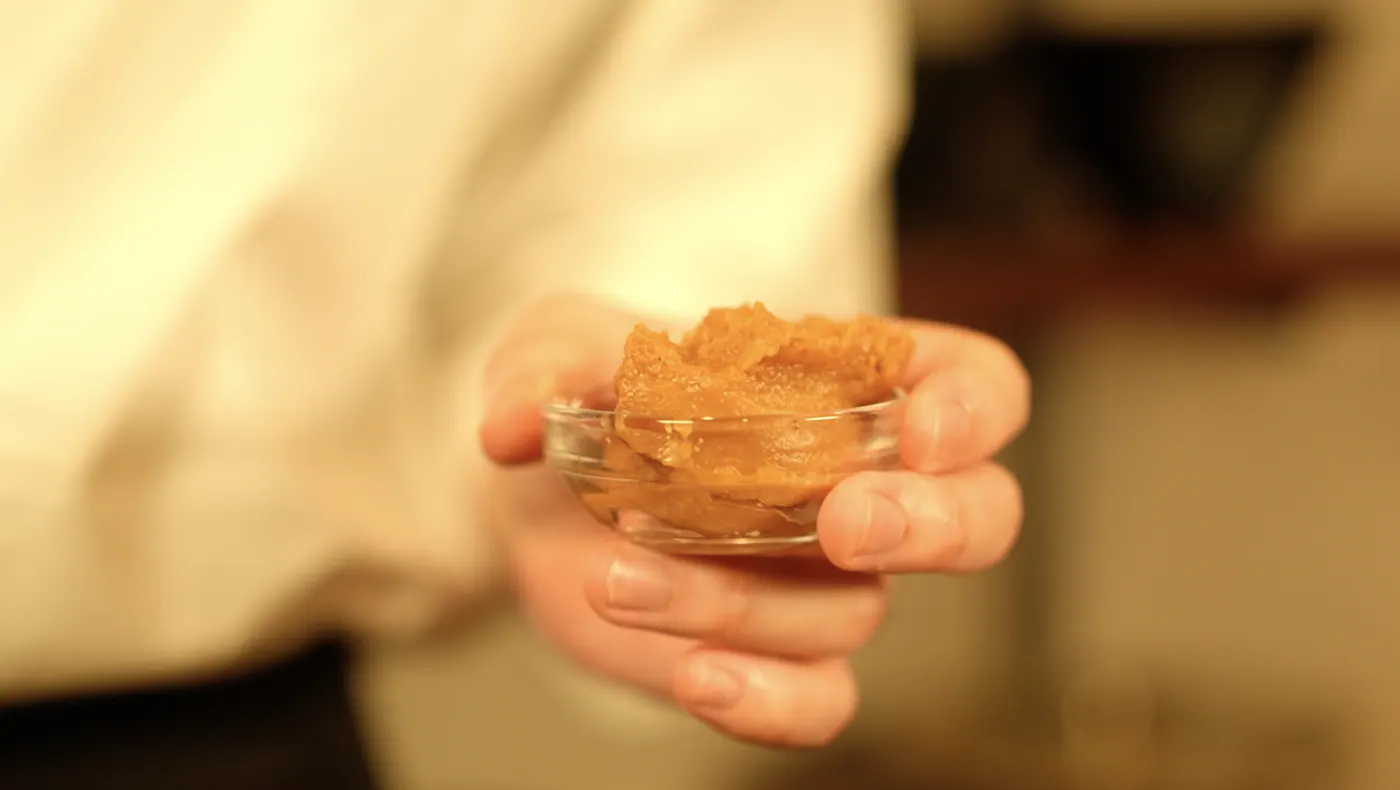
Turn off heat and add green onions and remaining seasonings
Once heat is off, add the green onions and remaining seasonings.
- 2 tbsp miso paste
- 1 tsp toubanjiang (adds heat. If you don't like spice, substitute with miso)
- 1 tsp chicken bouillon powder
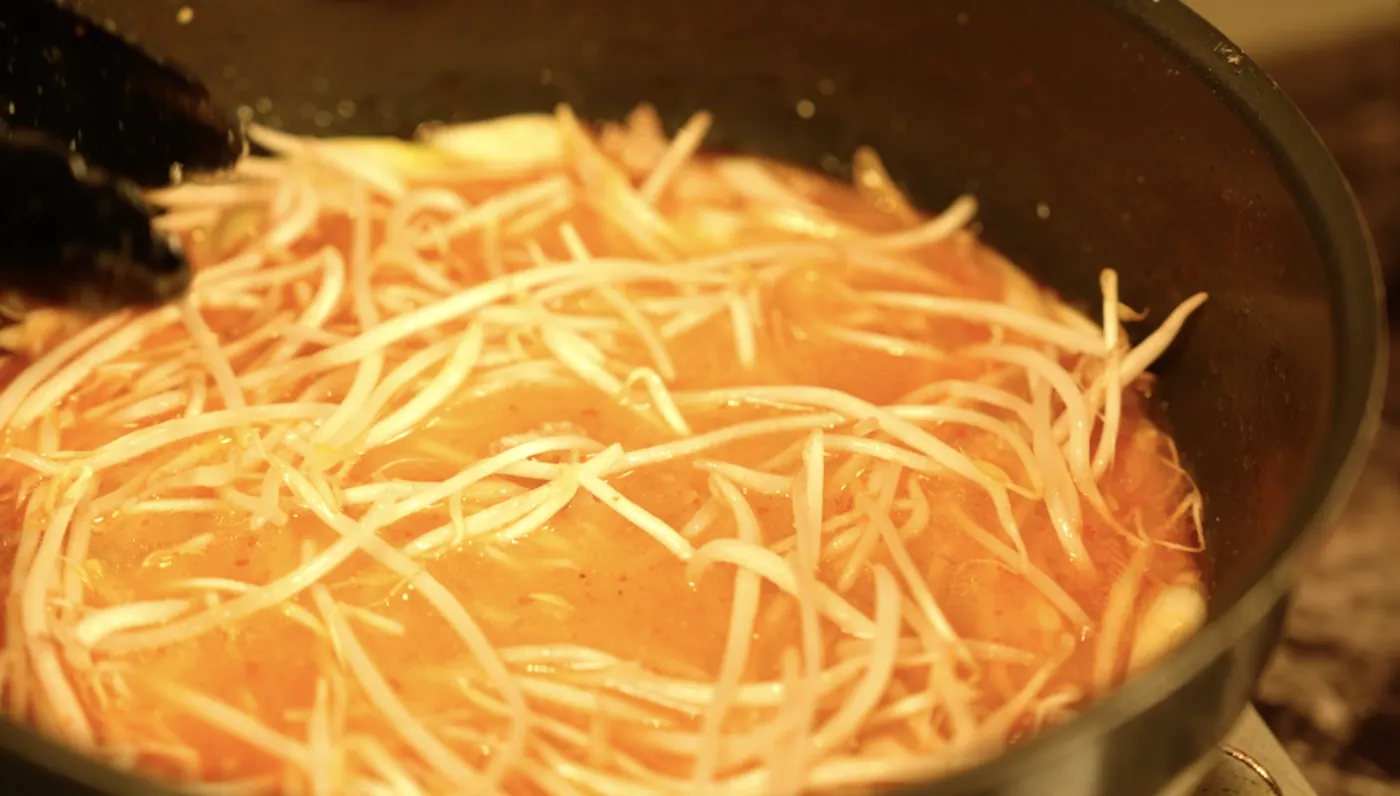
- 100g bean sprouts
About bean sprout timing
I prefer soft bean sprouts, so I add them now. If you prefer more texture, add the bean sprouts just before boiling the noodles.
Once everything is added, heat on low for 1-2 minutes without letting it boil! Once the bean sprouts soften, turn off the heat and you're done!
Boiling the Noodles
Bring water to boil
Fill a large pot with plenty of water, place on stove, and bring to a boil.
Why use plenty of water?
Boiling in plenty of water:
- Cooks noodles evenly
- Prevents sticking
- Creates better texture
Cook ramen noodles
Once water is boiling, add 100g of ramen noodles.
Thick noodles pair beautifully with rich miso broth.
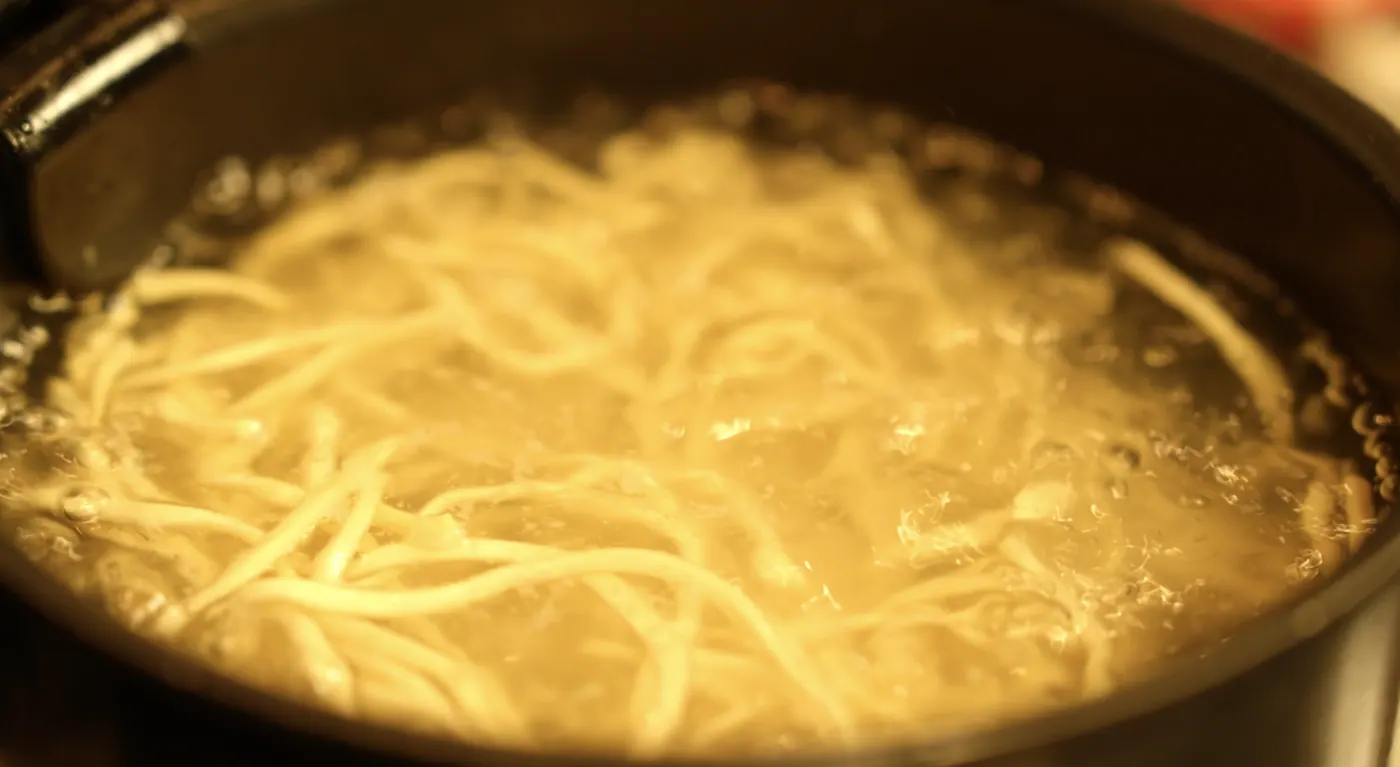
Cook according to package instructions, stirring occasionally to prevent sticking.
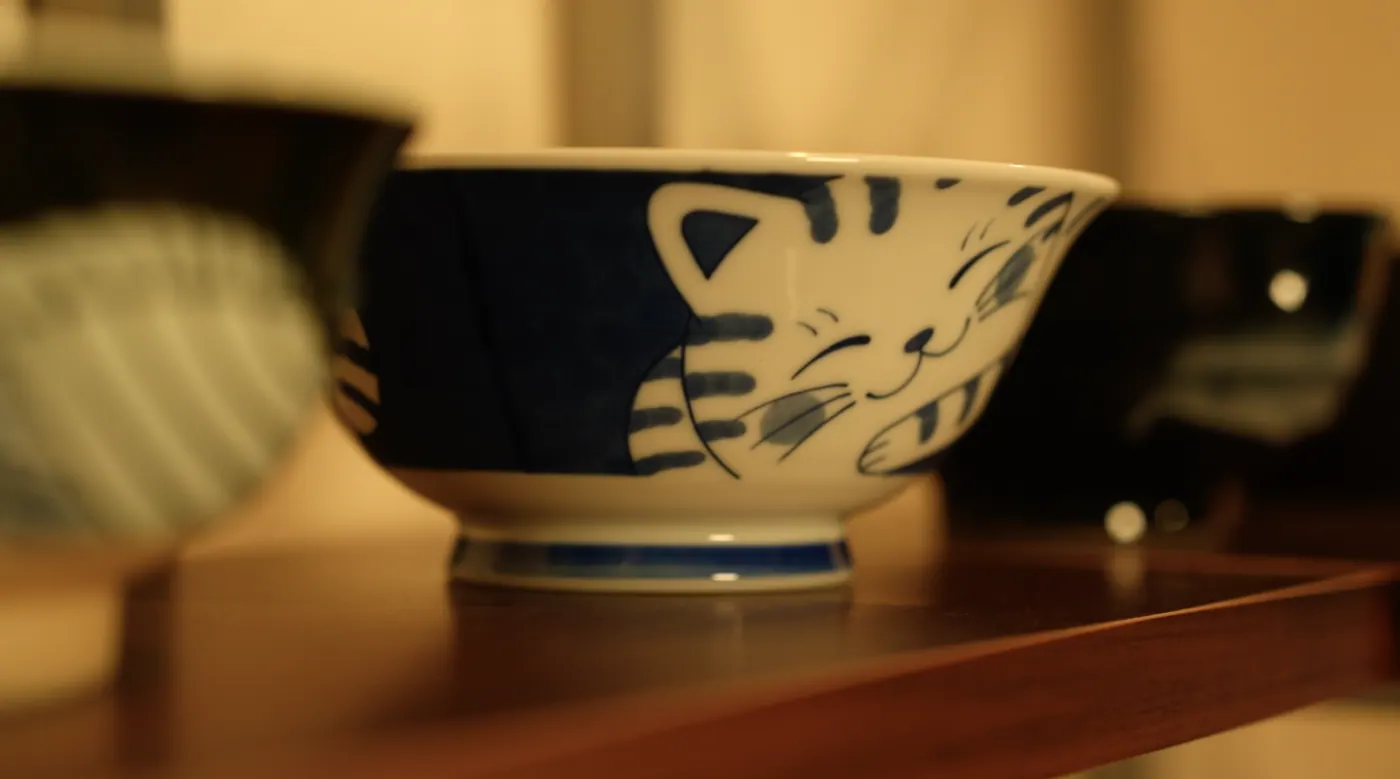
While the noodles cook, prepare your ramen bowl.
Serving
Drain noodles thoroughly
To prevent diluting the broth, drain the noodles thoroughly before adding to the bowl.
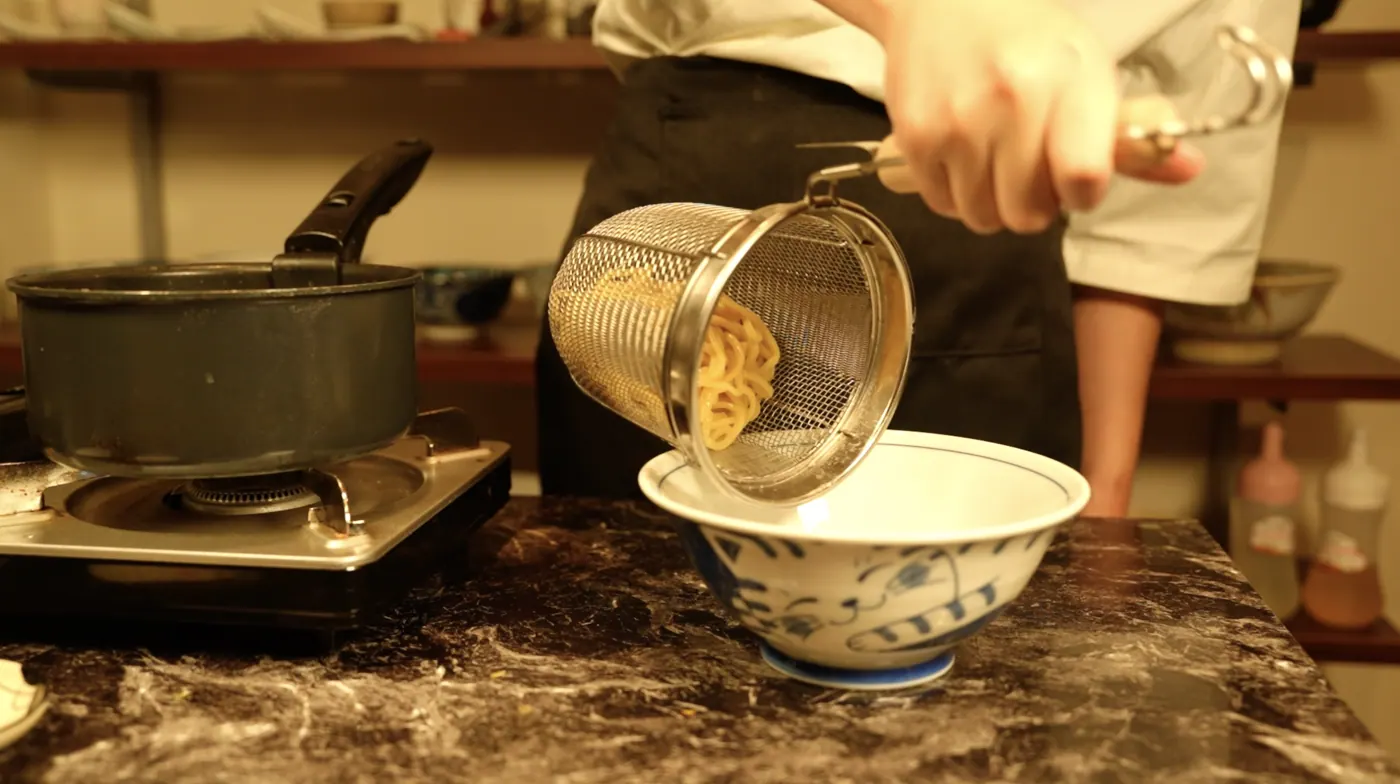
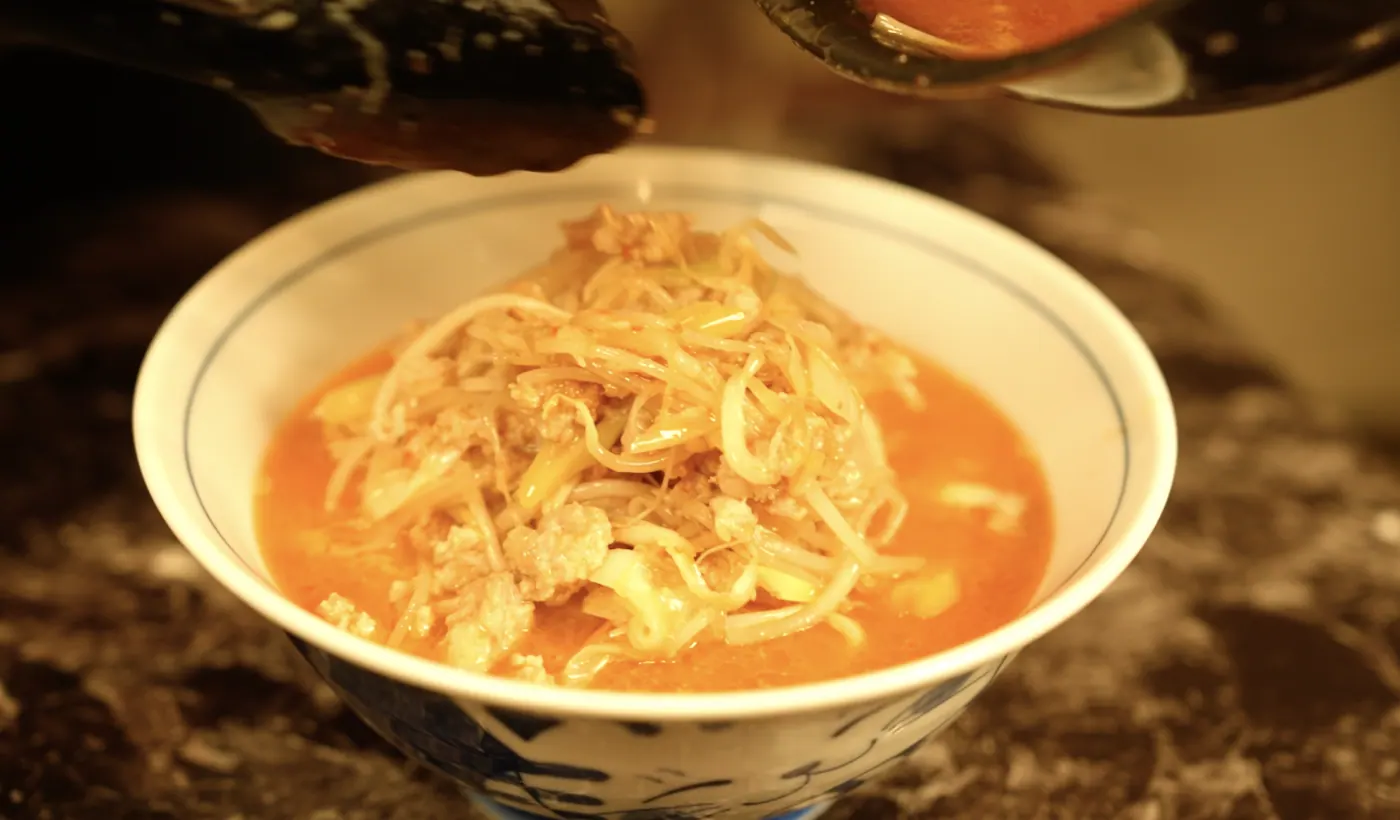
Pour broth and add toppings
Next, pour the broth into the bowl. Add your toppings and you're done. Looks absolutely delicious...!
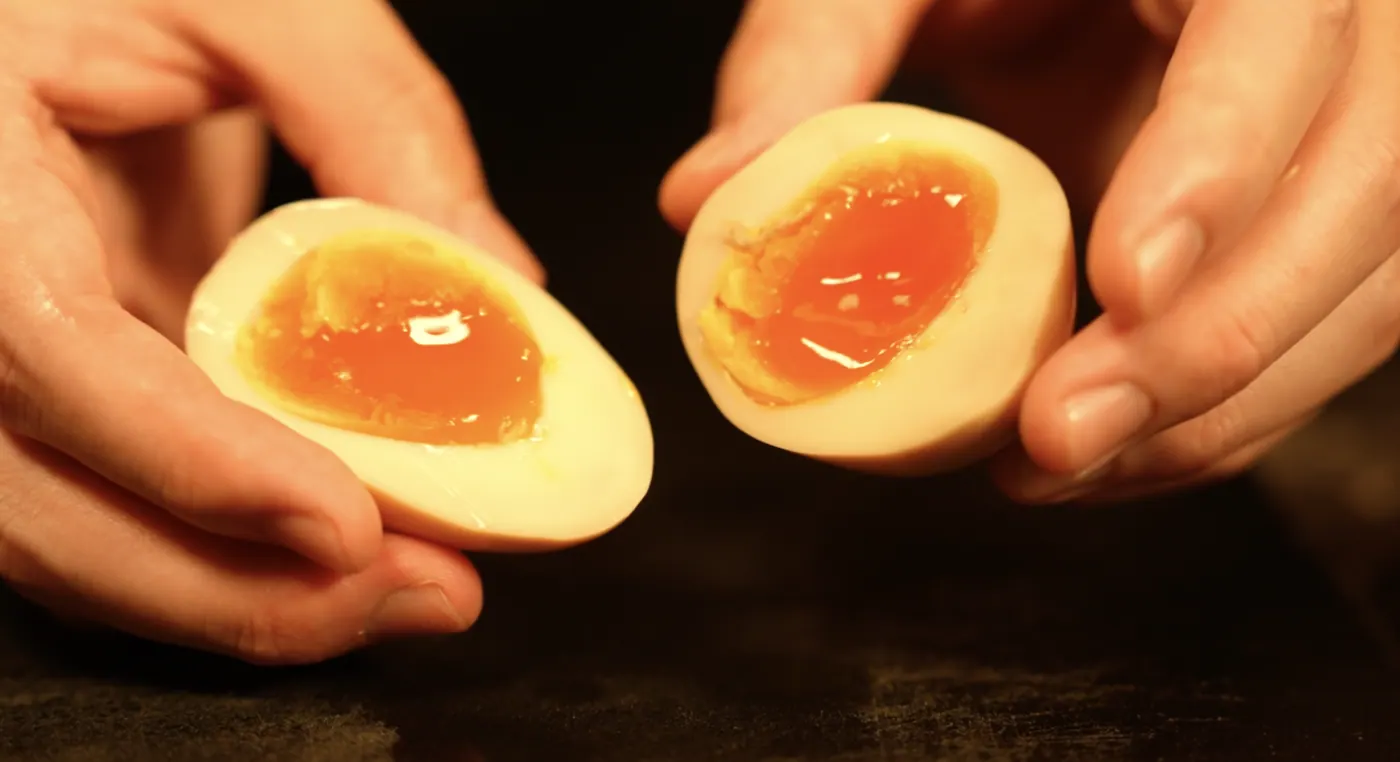
Recommended toppings
Finally, let me show you some recommended toppings!
First, the classic marinated soft-boiled egg. Cutting it in half makes for an even better presentation.
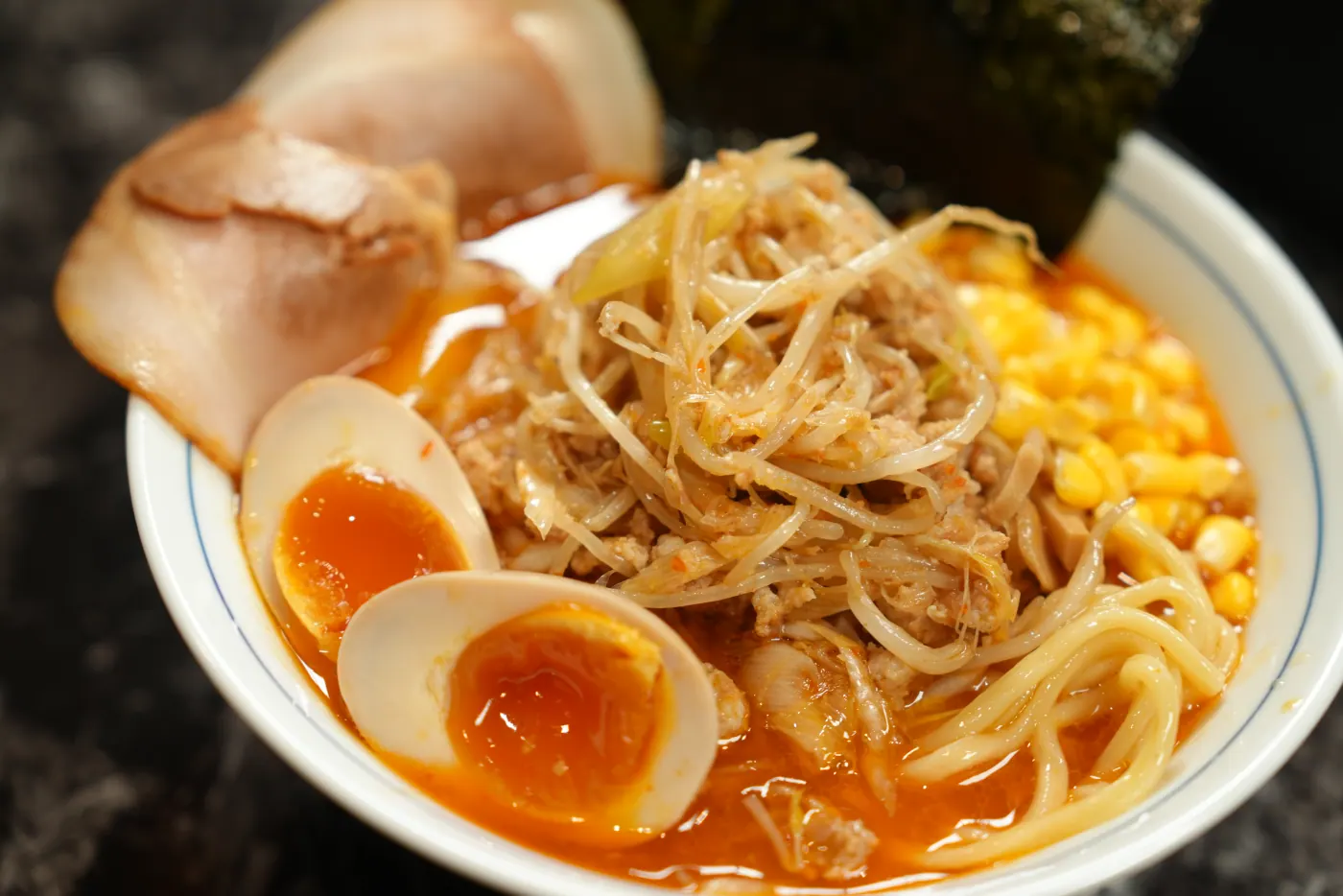
Next, add nori, chashu pork, and finally corn to complete the bowl!
Tips & Techniques
Chop pork finely
Finely chopping the pork allows umami to fully dissolve into the broth. Take 2-3 minutes to chop it thoroughly.
Microwave bonito flakes
Microwaving bonito flakes to powder form creates silky-smooth broth texture.
Add miso off the heat
Adding miso to boiling liquid causes aromatics to evaporate, so always turn off the heat first, then keep the broth below a boil.
Choose thick noodles
Thick noodles pair beautifully with rich miso broth. The broth clings to the noodles perfectly.
Toppings are up to you
Enjoy with your favorite toppings like marinated eggs, chashu, nori, corn, and butter.
Troubleshooting
Common Questions
What should I do if the broth tastes weak?
You may have used too much kombu dashi or too little miso. Taste and add more miso as needed.
What should I do if the broth is too spicy?
Omit the toubanjiang or reduce to half the amount. If you don't like spice, substitute with miso instead.
What should I do if chopping the pork is difficult?
Ground pork works as a substitute. However, pork belly has more fat and creates much richer umami.
What should I do if my noodles stuck together?
Boil in plenty of water and stir occasionally to prevent sticking. Try using more water.
Final Thoughts
With its punchy garlic flavor and subtle heat, this authentic miso ramen delivers incredible appetite appeal. The rich broth where miso, pork, and dashi harmonize perfectly clings beautifully to the noodles - absolutely delicious! I'm confident this is the best miso ramen you can make at home.
It's easy to prepare and so delicious you'll want to drink every last drop, so please give it a try at home!
How to Store Miso Ramen
The broth can be stored in an airtight container in the refrigerator for 2-3 days.
Reheating instructions:
- Reheat in a pot on the stove
- If flavor has weakened, add a bit more miso
Note: Noodles become soggy over time, so cook them fresh just before eating. Making the broth ahead and storing it is very convenient.
麺Noodles味噌ラーメン
Miso Ramen (Japanese Miso Noodle Soup)
Miso ramen is one of Japan's most beloved ramen varieties, featuring a rich miso-based broth concentrated with pork and dashi umami.
No ratings yet
Rate this recipe
- Prep
- 20 min
- Cook
- 15 min
- Total
- 35 min
- Servings
- 1
- Difficulty
- Intermediate
Ingredients
Noodles and Vegetables
For Soup
Seasonings
Toppings (Optional)
Ingredient amounts are multiplied; cooking times and pan size may need adjusting.
Instructions
Amounts mentioned in the steps are for the original recipe (1x) — use the scaled amounts above.
Prep: Vegetables and Bonito Flakes
Slice green onions diagonally
Take 50g (about 1/2 stalk) of green onion and slice it diagonally.
Prepare bean sprouts
Prepare 100g of bean sprouts. We'll use them as-is, so no prep needed.
Microwave bonito flakes
Prepare 3g of bonito flakes. While you can use them as-is, we'll microwave them at 500W for 30 seconds.
After heating, gently crumble with your hands to create a fine powder. Perfect.
Preparing the Pork
Finely chop pork belly
Prepare 80g of pork belly. While ground pork works as a substitute, pork belly has more fat and creates much richer flavor. In this recipe, the pork isn't a main topping but rather used to infuse the broth with umami.
First, pound the pork with the back of your knife to tenderize it. Once softened, begin mincing finely.
After chopping for about a minute, it will start breaking down finely. This is the source of the broth's umami, so keep at it. After 2-3 minutes of chopping, you're done!
Making the Broth
Sauté pork in skillet
Since we'll make the broth in the same pan, use a deep skillet. Add 2 tsp sesame oil to the skillet and sauté the pork over medium heat.
Cook until the pork develops some color. After 2 minutes, fat will begin rendering from the pork.
The rendered pork fat is packed with umami, so sauté thoroughly to extract all that flavor. It's the secret to delicious broth!
When lightly browned, you're ready to proceed!
Add kombu dashi
At this point, add the dashi. Prepare 300ml of kombu dashi.
Add seasonings
Turn heat to medium and add the seasonings.
- 3g bonito flakes (the powdered flakes from step 3)
- 1 tbsp mirin (adds subtle sweetness)
- 1/2 tsp sugar
- 1 tbsp cooking sake (adds depth)
- 1 clove garlic (grated)
- 5g fresh ginger (grated, for aroma)
Don't add miso yet. Once the broth comes to a boil, be sure to turn off the heat.
Turn off heat and add green onions and remaining seasonings
Once heat is off, add the green onions and remaining seasonings.
- 2 tbsp miso paste
- 1 tsp toubanjiang (adds heat. If you don't like spice, substitute with miso)
- 1 tsp chicken bouillon powder
- 100g bean sprouts
Once everything is added, heat on low for 1-2 minutes without letting it boil! Once the bean sprouts soften, turn off the heat and you're done!
Boiling the Noodles
Bring water to boil
Fill a large pot with plenty of water, place on stove, and bring to a boil.
Cook ramen noodles
Once water is boiling, add 100g of ramen noodles.
Thick noodles pair beautifully with rich miso broth.
Cook according to package instructions, stirring occasionally to prevent sticking.
While the noodles cook, prepare your ramen bowl.
Serving
Drain noodles thoroughly
To prevent diluting the broth, drain the noodles thoroughly before adding to the bowl.
Pour broth and add toppings
Next, pour the broth into the bowl. Add your toppings and you're done. Looks absolutely delicious...!
Recommended toppings
Finally, let me show you some recommended toppings!
First, the classic marinated soft-boiled egg. Cutting it in half makes for an even better presentation.
Next, add nori, chashu pork, and finally corn to complete the bowl!
Video
Watch the video · 6:17Open on YouTube
Jump to a part of the video (9 chapters)
Video: https://youtu.be/3sdjh3APihI
Notes
Substitutions
- Pork belly: Ground pork works, but pork belly has more fat and creates richer flavor
- Kombu dashi: Can substitute with dashi powder. Dissolve the specified amount in 300ml water
- Toubanjiang: If you don't like spice, substitute with additional miso
- Ramen noodles: Thick noodles pair best with rich miso broth, but use your preferred noodles
To store
- The broth can be stored in an airtight container in the refrigerator for 2-3 days.
- Reheat in a pot on the stove
- If flavor has weakened, add a bit more miso
- Note: Noodles become soggy over time, so cook them fresh just before eating. Making the broth ahead and storing it is very convenient.
Nutrition estimated, per serving
- Calories
- 793 kcal
- Carbohydrates
- 86.2 g
- Protein
- 31.2 g
- Fat
- 40.1 g
- Saturated fat
- 13.6 g
- Fiber
- 10.3 g
- Sugar
- 14.1 g
- Sodium
- 3,258 mg
Estimated by us from the Standard Tables of Food Composition in Japan (MEXT, 2020). Optional ingredients and garnishes are not counted; soup and sauce are counted as fully eaten. Actual values depend on your brands and portion sizes. How we calculate this
Course: Noodles · Cuisine: Japanese · Keyword: Miso Ramen
Recipe from Japanese Cooking Ichie — https://japanesecookingichie.com/recipes/miso-ramen/
Make it a meal
Add a side dish to round out the table.


Ratings & comments
No ratings yet — be the first to rate this recipe.
Comments