What Is Potato Starch?
In Japanese, potato starch is called katakuriko (片栗粉). The name comes from katakuri, a small wild plant in the lily family whose bulbs were once the source of the starch. Katakuri was never plentiful, so once potato farming took off in Hokkaido during the Meiji era (1868–1912), potatoes replaced it. Almost every bag labeled katakuriko today is simply potato starch.
Don't confuse it with potato flour. Potato flour is ground from whole dried potatoes and tastes like potato. Potato starch is only the extracted starch, so it is bright white, squeaks slightly when you rub it between your fingers, and has no taste.
Why Japanese Cooks Reach for It
As a thickener, potato starch starts working at a lower temperature than cornstarch and sets clear rather than cloudy. That is why a Japanese sauce thickened with it looks glossy and clings to meat and rice. The trade-off is stability: if you keep boiling and stirring after the sauce has thickened, it can thin out again. Add it near the end and stop once the sauce coats a spoon.
As a coating, it fries up lighter and crisper than wheat flour and soaks up less oil. It is the classic choice for karaage (Japanese fried chicken) and for dusting tofu before frying.
How to Use Potato Starch
- Coat meat before pan-frying. A thin dusting helps keep chicken juicy and gives the glaze something to hold on to, as in our Teriyaki Chicken.
- Make a crisp shell for frying. Pat the food dry, dust it evenly and tap off the excess. Our Agedashi Tofu uses this to keep soft tofu crisp on the outside.
- Thicken a sauce. Mix the starch into cold liquid first, never straight into a hot pan, or it will form lumps. It settles to the bottom quickly, so stir the sauce again just before you pour it in. See it at work in our Chicken Don.
- Bind ground meat. A teaspoon mixed into the meat helps hold meatballs together, as in our Tsukune.
- Keep things from sticking. It is dusted on mochi and other sticky doughs so they don't stick to your hands or the counter.
Where to Buy Potato Starch
Many large supermarkets carry potato starch in the baking or gluten-free aisle. Asian grocers sell Japanese bags labeled 片栗粉 (katakuriko), which are the same thing. Check that the label says starch, not flour.
Potato Starch Substitutes
- Cornstarch is the easiest swap for both coating and thickening. Sauces come out a little less glossy and need to come to a full simmer before they thicken.
- Arrowroot also thickens at a fairly low temperature and stays clear, so it works well for glazes.
- Wheat flour can coat food for pan-frying in a pinch, but the crust is softer and browns faster. It is a poor choice for thickening Japanese sauces because it turns them cloudy.
How to Store Potato Starch
Keep potato starch sealed in an airtight container, away from heat and humidity. Starch picks up moisture easily, and an open bag in a warm kitchen can attract pantry pests. In a humid climate, keeping the container in the refrigerator is a good idea. Throw it out if it smells musty or shows any sign of insects.
Recipes using Potato starch
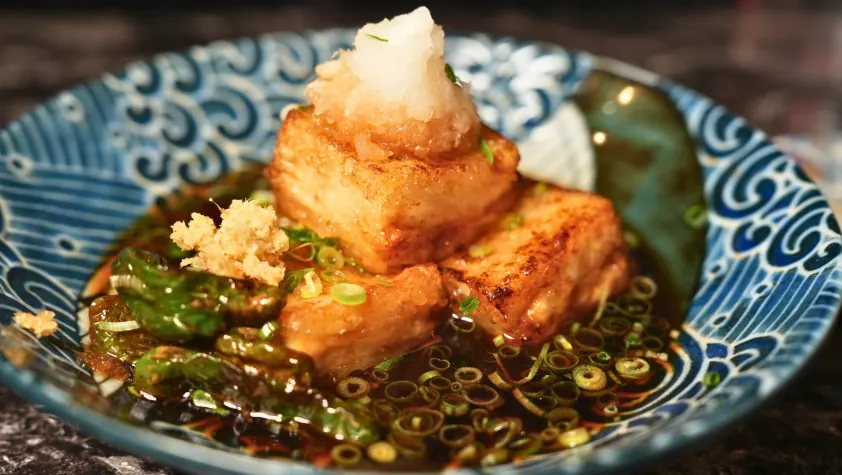
Appetizers & Sides揚げ出し豆腐
Agedashi Tofu
Fried Tofu in Dashi Sauce
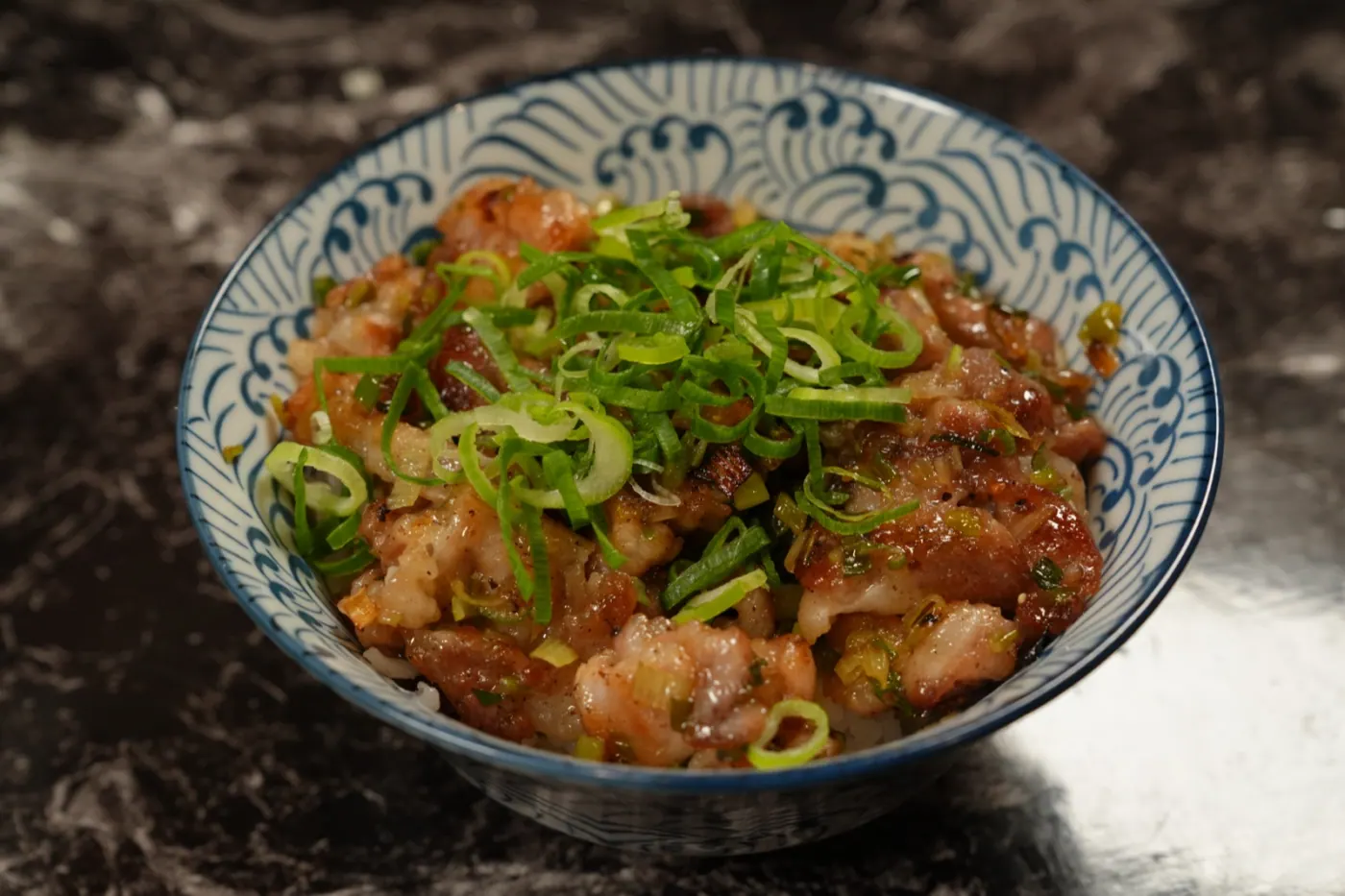
Rice Bowlネギ塩豚丼
Negi Butadon
Japanese Pork Bowl with Green Onion Salt Sauce
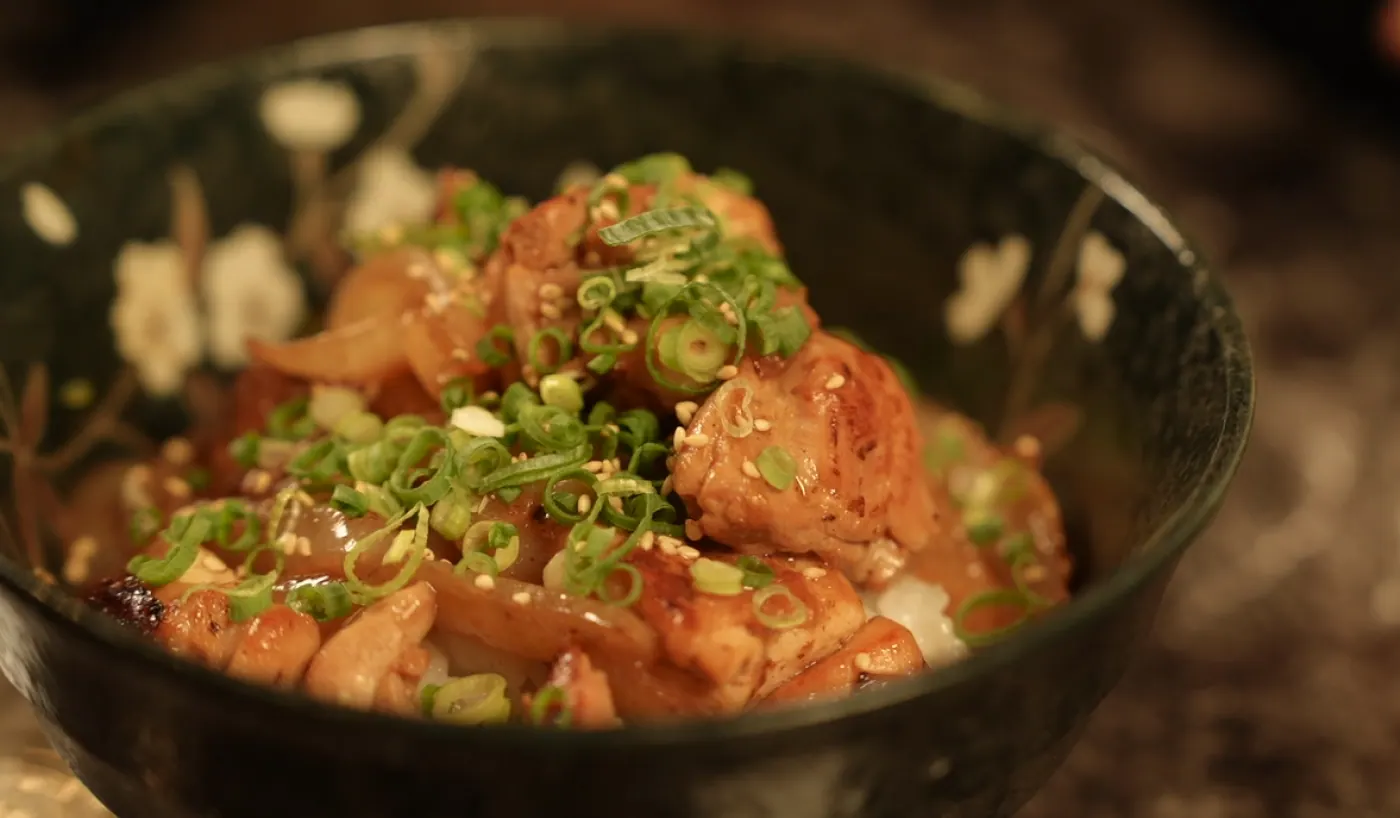
Rice Bowl鶏丼
Chicken Don
Japanese Chicken Donburi Rice Bowl
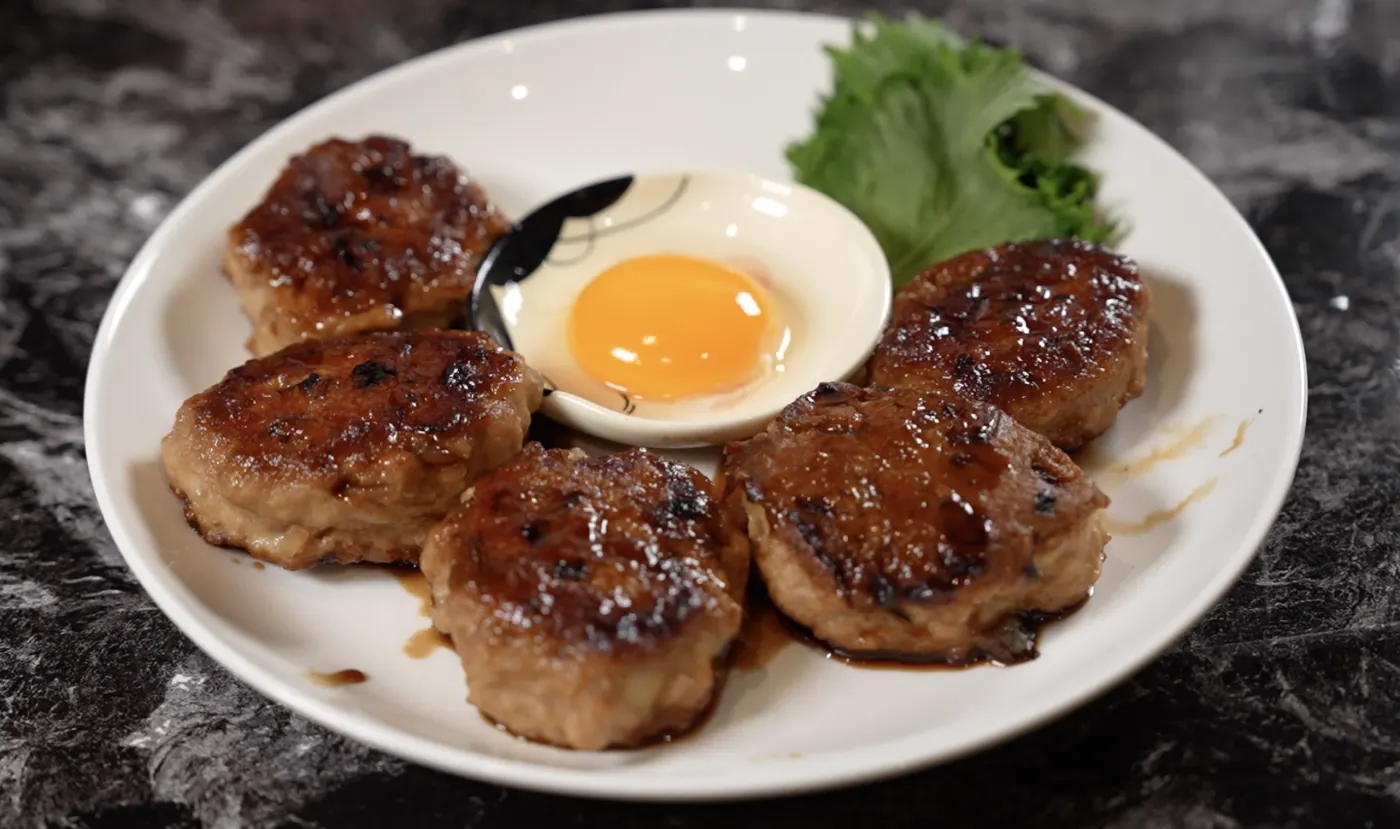
Appetizers & Sidesつくね
Tsukune
Japanese Chicken Meatballs
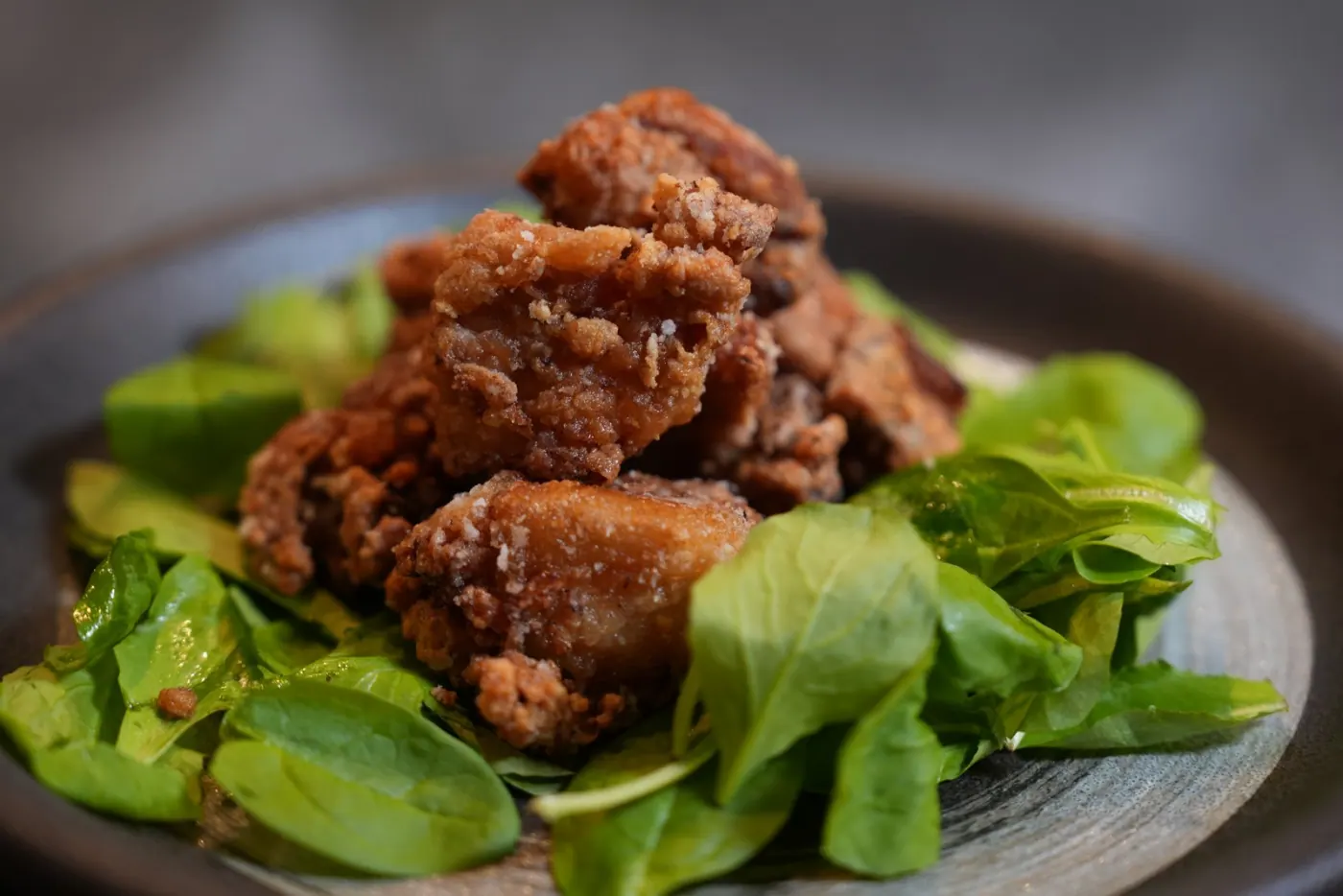
Main Dish鶏の唐揚げ
Karaage
Japanese Fried Chicken
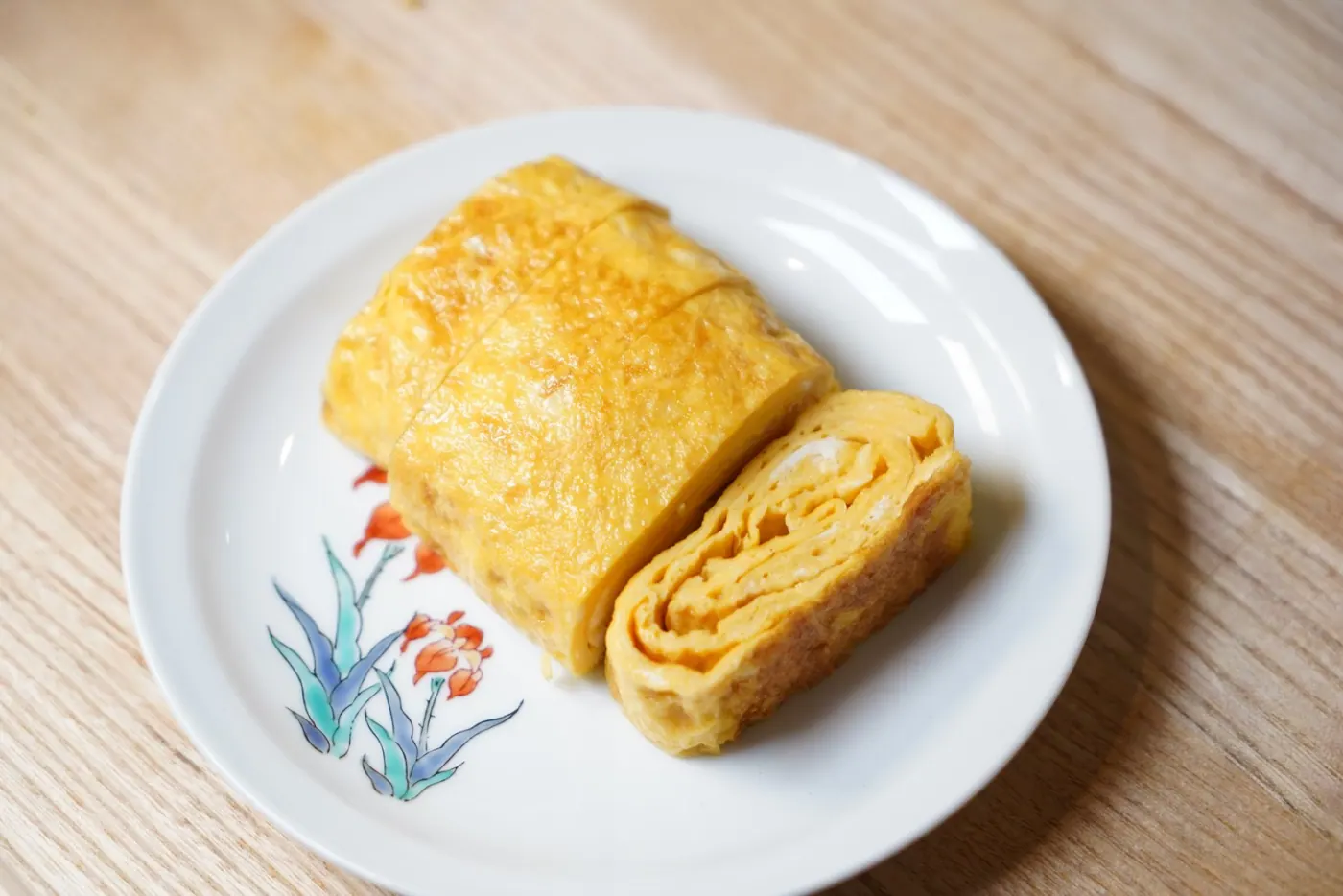
Appetizers & Sides卵焼き
Tamagoyaki
Japanese Rolled Omelette in a Round Frying Pan
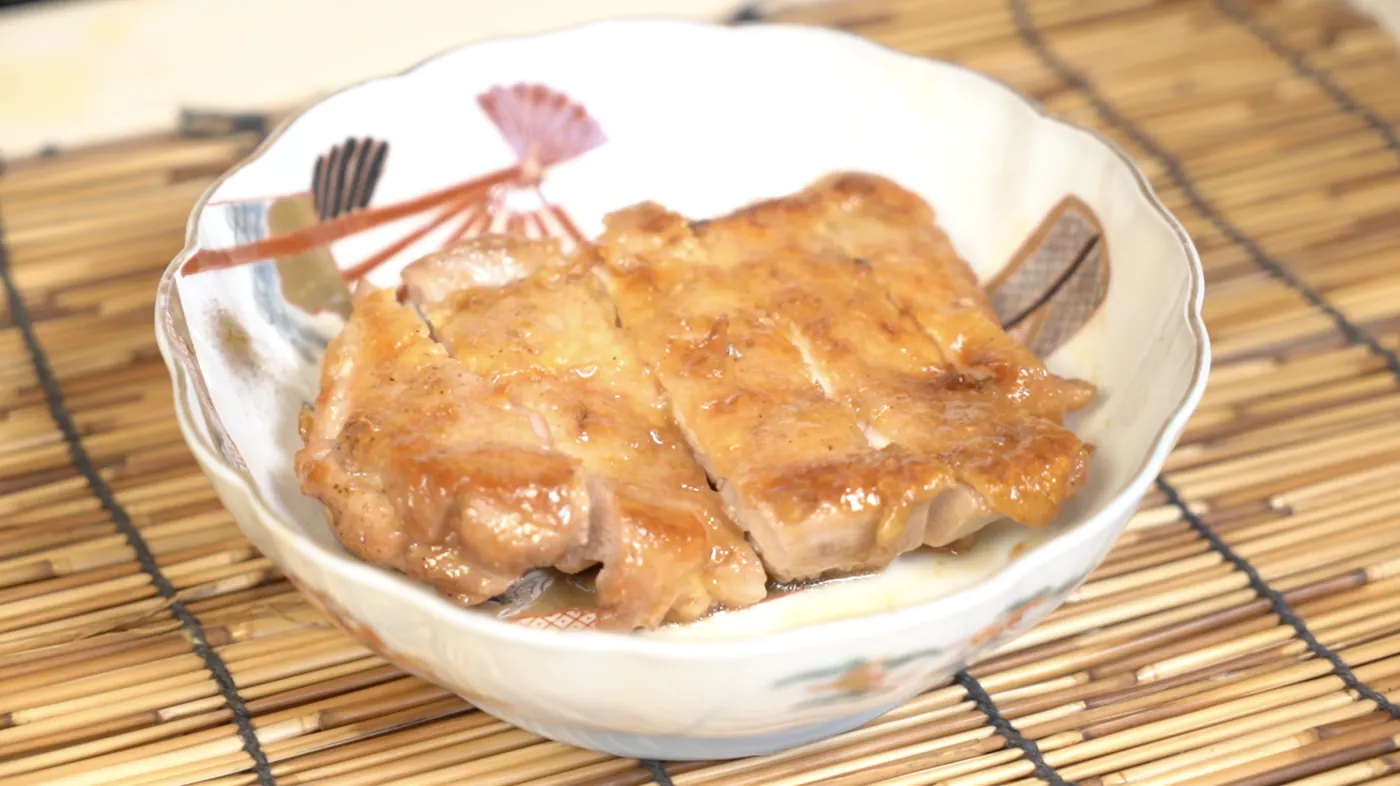
Main Dish鶏の照り焼き
Teriyaki Chicken
Frequently asked questions
Is potato starch the same as potato flour?
No. Potato flour is made from whole dried potatoes and tastes of potato. Potato starch is pure starch with no flavor, and it is what Japanese recipes mean by katakuriko.
Is katakuriko gluten-free?
Pure potato starch contains no gluten. If you cook for someone with celiac disease, check the package for a gluten-free label, since some factories also handle wheat.
Can I use cornstarch instead of potato starch?
Yes. Cornstarch works for coating and thickening in most recipes. The sauce will be slightly less glossy, and it needs to simmer a little longer to thicken.
Why did my sauce turn thin again after thickening?
Potato starch breaks down if it is boiled and stirred for a long time. Add the slurry at the end, stir until the sauce thickens, then take it off the heat.