What Is Oyster Sauce?
Oyster sauce is built on oyster extract, a concentrated liquid made by cooking oysters down. Sugar, salt and starch are added to give a glossy, pourable sauce, and many brands also include wheat flour, caramel color and flavor enhancers. Lee Kum Kee, founded in 1888 in Nanshui, Zhuhai, in Guangdong province, is credited with inventing it.
It is not a traditional Japanese seasoning, but it is common in Japanese home kitchens today. A spoonful gives stir-fries, noodles and quick side dishes a rich, rounded savoriness that would otherwise take several seasonings to build.
What Does Oyster Sauce Taste Like?
It tastes savory, salty and slightly sweet, with a deep, briny richness. Despite the name, good oyster sauce does not taste fishy, and once cooked into a dish it mostly reads as savory depth. It is thick and clings to food, which is why it gives stir-fries a glossy coating.
Types of Oyster Sauce and How to Read the Label
- Premium oyster sauce: more oyster extract and a richer flavor. The share of oyster extract is often printed in the ingredients and varies a lot from brand to brand.
- Standard oyster sauce: a lower share of oyster extract. Fine for everyday stir-fries.
- Vegetarian oyster sauce (often sold as mushroom or vegetarian stir-fry sauce): made with shiitake mushroom flavor instead of oysters. Some are vegan and gluten-free; check the label.
How to Use Oyster Sauce
- Dressings for vegetables. A spoonful adds depth to our Mugen Kyuri.
- Noodle seasoning. A little goes into our Niku Udon.
- Stir-fries. Add it near the end with a splash of soy sauce or sake so it coats the ingredients without burning.
- Fried rice and marinades. A small amount boosts savoriness in fried rice or in a marinade for chicken or pork.
- Go easy. It is salty and strong, so start with a teaspoon or two and taste.
Where to Buy Oyster Sauce
Almost every supermarket stocks oyster sauce in the Asian aisle, and any common brand works for the recipes here. Asian grocers sell more grades and larger bottles. Read the ingredients if it matters to you: the amount of oyster extract, and whether wheat or flavor enhancers are included, differ from brand to brand.
Oyster Sauce Substitutes
- Vegetarian mushroom stir-fry sauce: the closest swap, and it works for vegetarians.
- Soy sauce with a pinch of sugar: thinner and less rich, but it gives a similar salty-sweet note. Start with a smaller amount than the oyster sauce called for and taste.
- Hoisin sauce: thick and savory but much sweeter, with a different flavor. Use only a little.
How to Store Oyster Sauce
Store unopened bottles in a cool, dark cupboard. Once opened, keep oyster sauce in the fridge with the cap tightly closed, and use it within the time printed on the label.
Oyster Sauce and Food Allergies
Oyster sauce is made from oysters, which are shellfish (molluscs), so it is not suitable for anyone with a shellfish allergy or for vegetarians. Many brands also contain wheat, so it is often not gluten-free.
Recipes using Oyster sauce
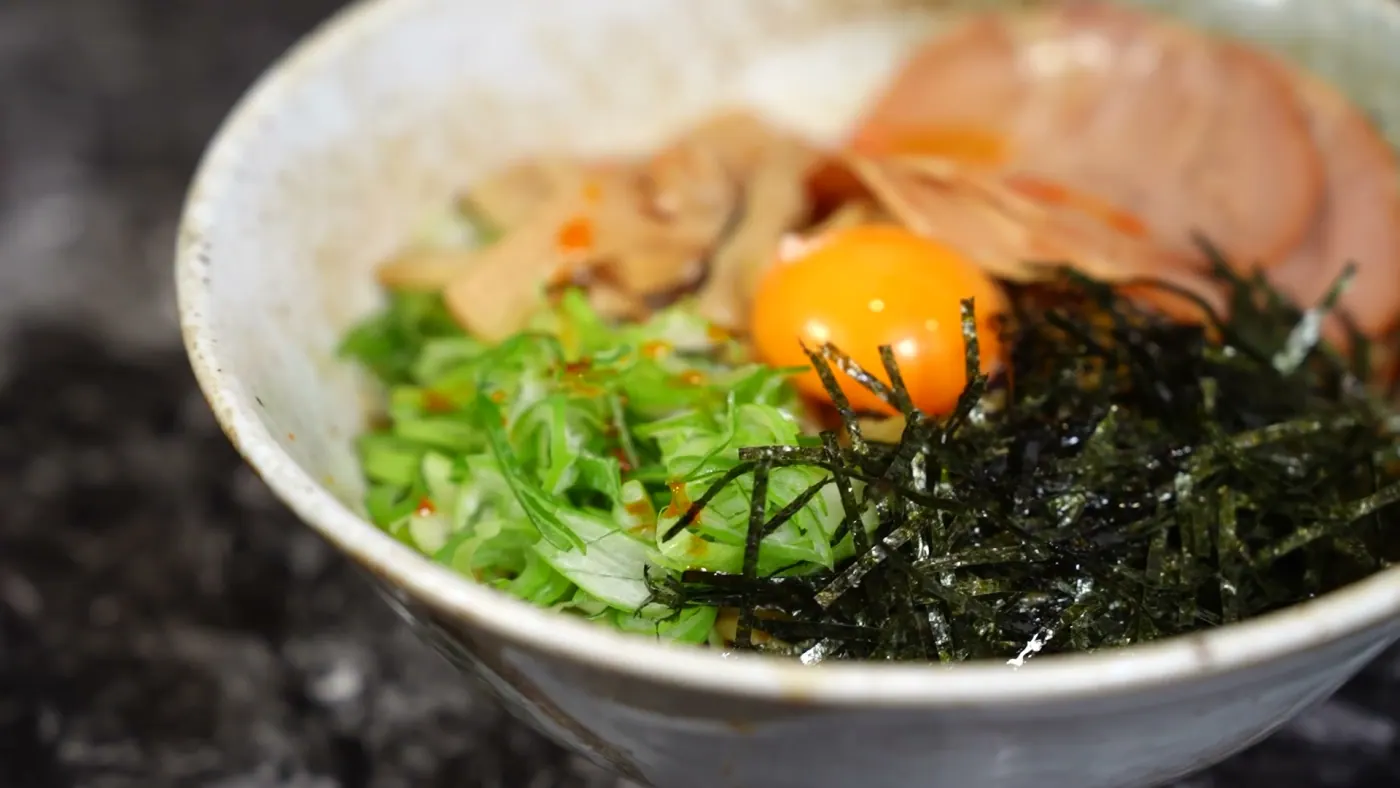
Noodles油そば
Abura Soba
Japanese Soupless Ramen
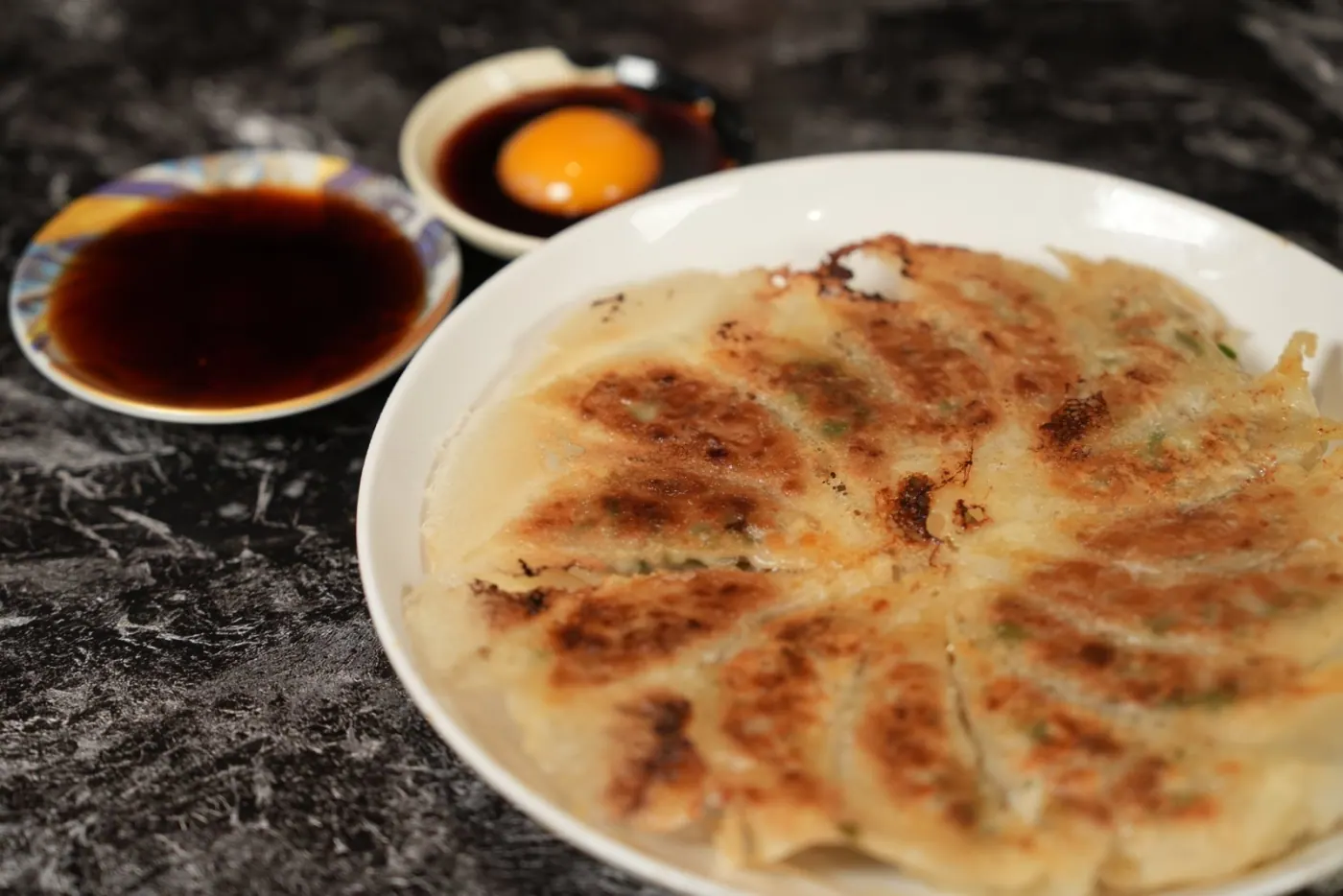
Appetizers & Sides焼き餃子
Gyoza
Japanese Pan-Fried Dumplings
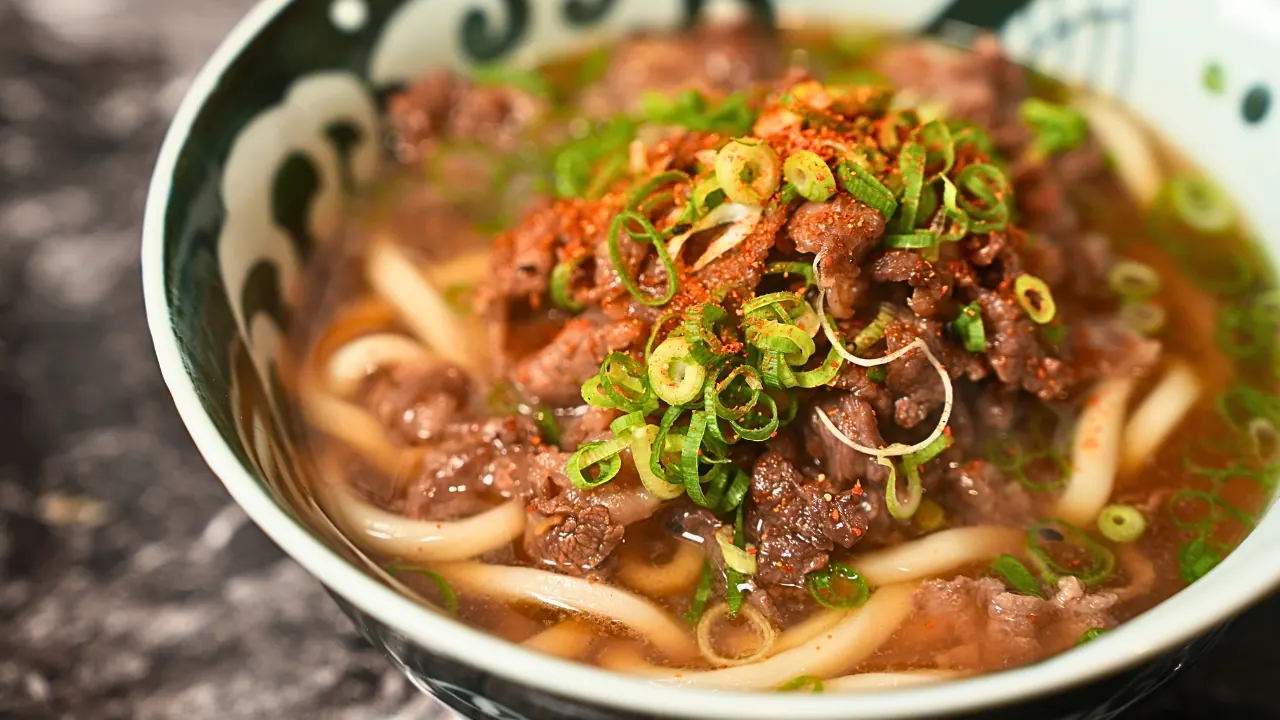
Noodles肉うどん
Niku Udon
Beef Udon Noodles
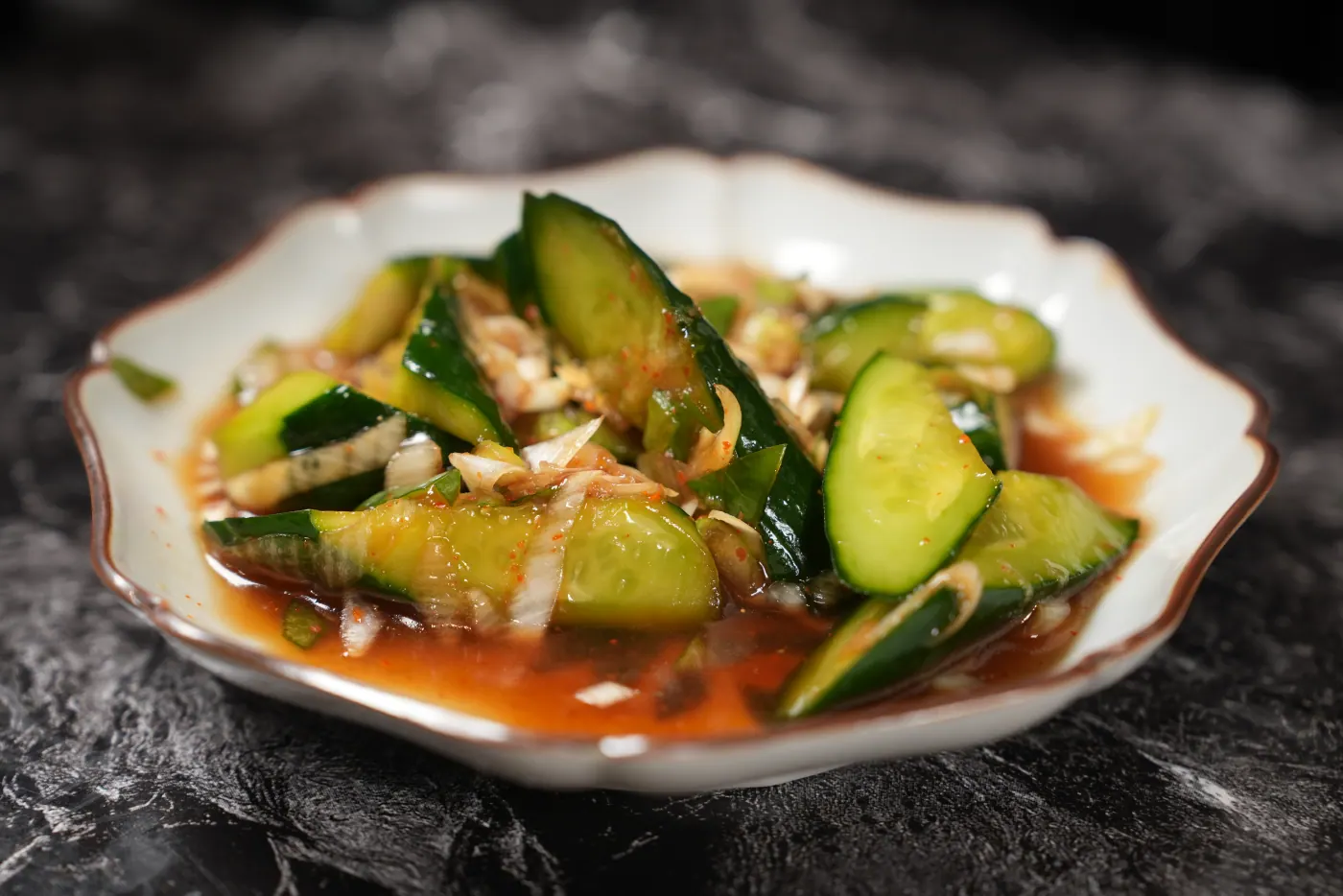
Appetizers & Sides無限きゅうり
Mugen Kyuri
Addictive Cucumber Salad with Green Onion
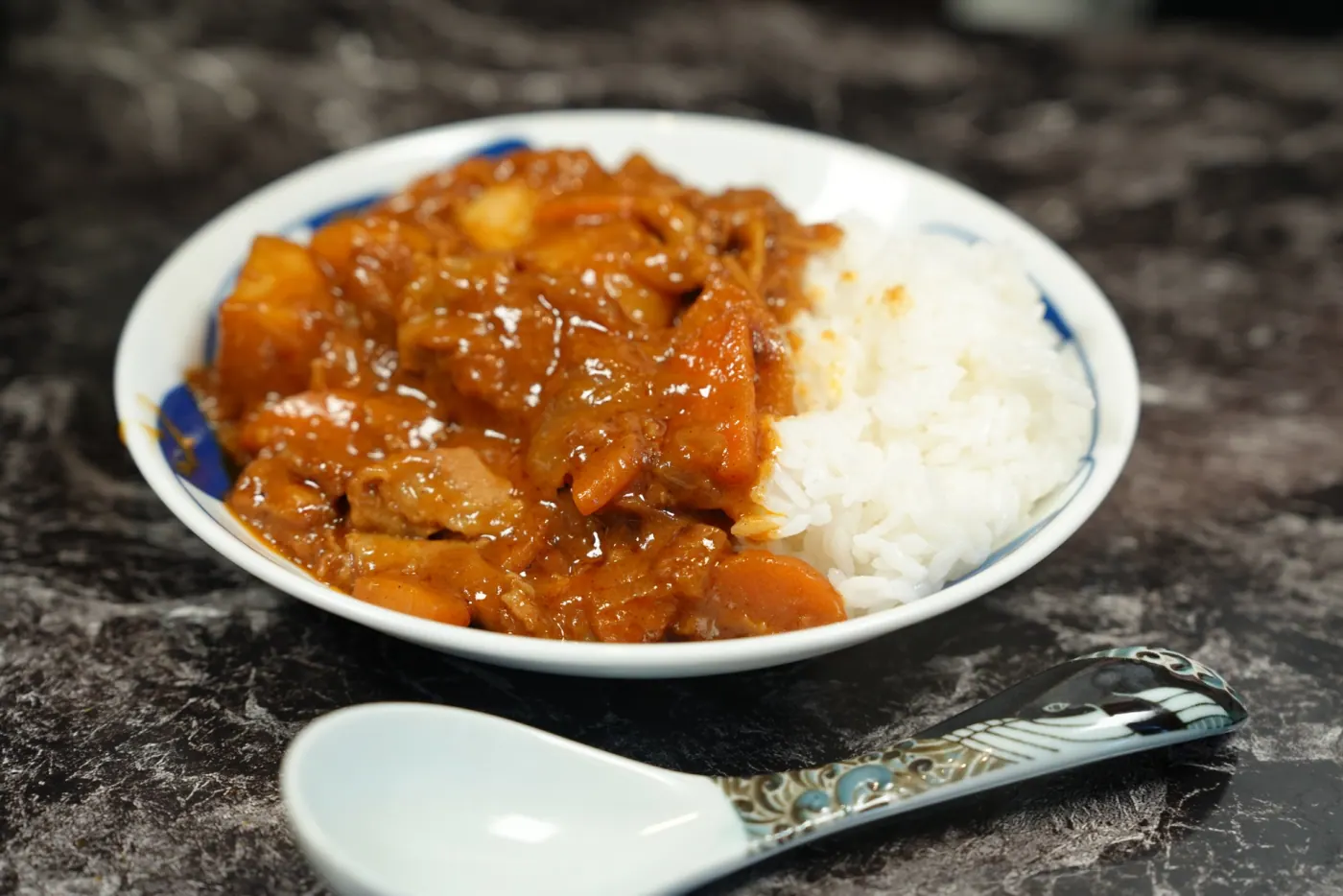
Main Dishルウを使わないカレー
Japanese Curry from Scratch
Homemade Curry Roux, No Cubes
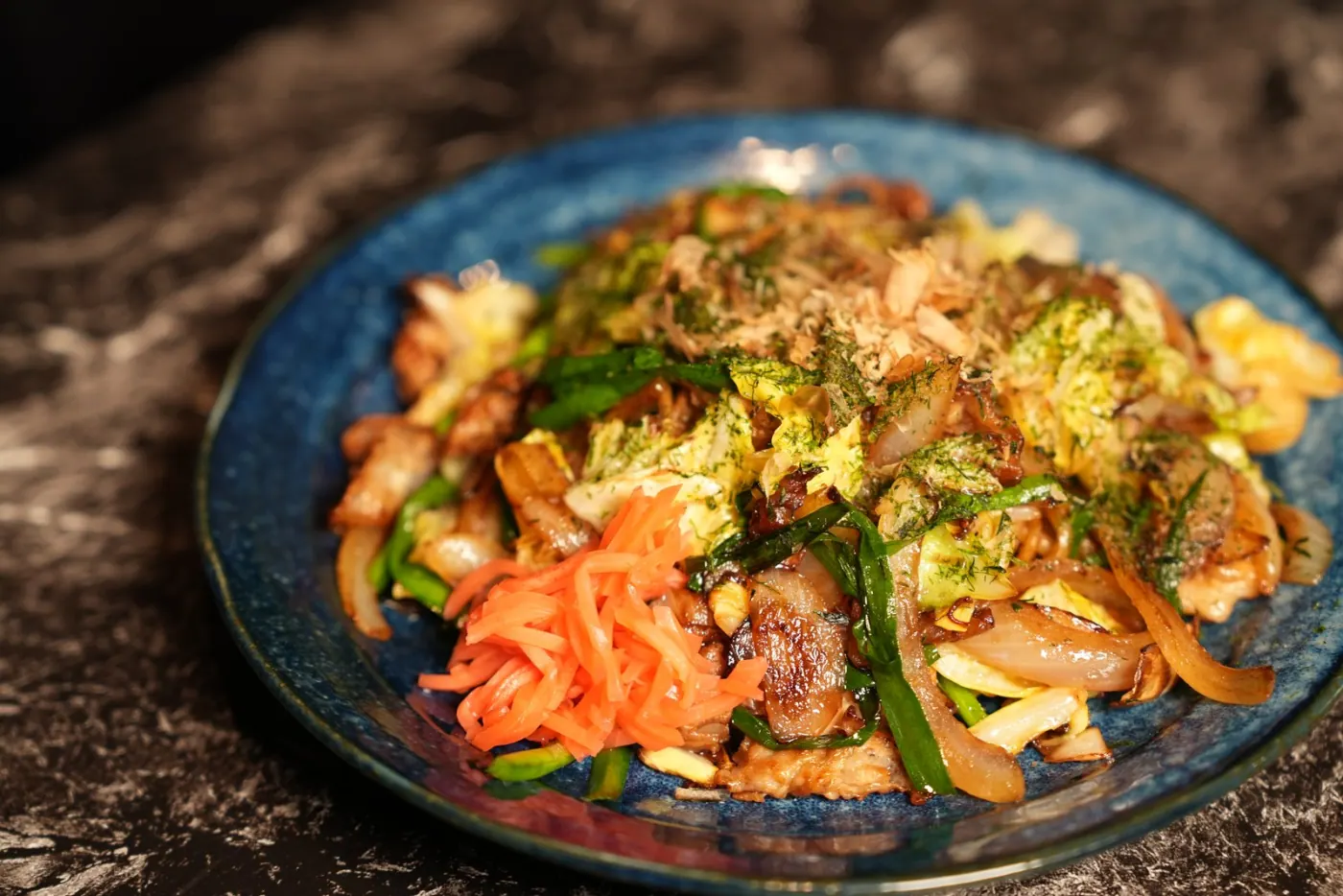
Noodles焼きそば
Yakisoba
Japanese Stir-Fried Noodles
Frequently asked questions
Is oyster sauce vegetarian?
No. It is made from oyster extract. Vegetarian versions made with mushroom flavor are sold as vegetarian or mushroom stir-fry sauce.
Does oyster sauce taste fishy?
Not really. It tastes savory, salty and slightly sweet. Once it is cooked into a dish, it mostly adds depth.
Does oyster sauce need to be refrigerated?
Yes, once opened. Keep it in the fridge with the cap closed and follow the use-by guidance on the label.
Is oyster sauce gluten-free?
Often not. Many brands add wheat flour. Look for a bottle labeled gluten-free if you need one.