- Prep
- 10 min
- Cook
- 15 min
- Steeping
- 10 min (kombu extraction)
- Total
- 35 min
- Yield
- About 300ml (1.25 cups)
- Difficulty
- Beginner
What is Ponzu?
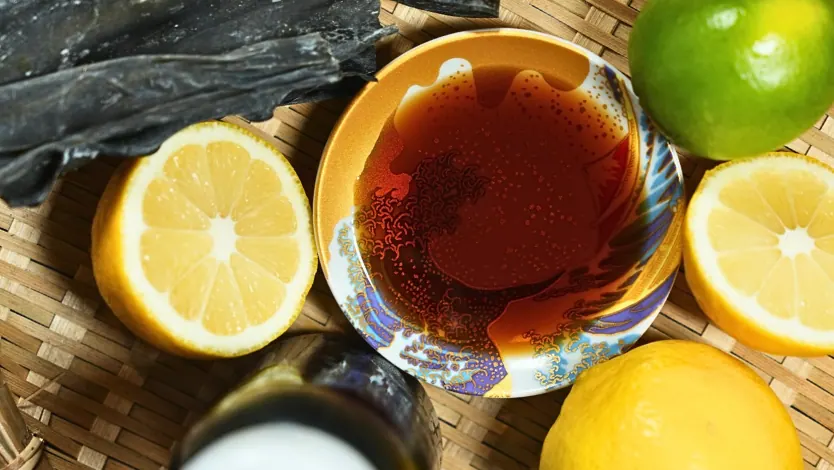
Ponzu is an essential Japanese condiment that perfectly balances bright citrus acidity with the deep umami of soy sauce. This restaurant-quality recipe is used in high-end Japanese establishments and will transform your home cooking.
What makes this recipe special is the efficient kombu extraction technique. While traditional methods require holding kombu at 60°C for about an hour, this recipe uses a quick-boil-then-steep method to extract clean umami flavor in a fraction of the time. The result is a crystal-clear ponzu with no bitterness that keeps in the refrigerator for up to 6 months.
Why You'll Love This Recipe
- 6-month shelf life - Make once and enjoy for months
- Restaurant quality - Uses techniques from high-end Japanese kitchens
- Simple ingredients - Just citrus, soy sauce, mirin, vinegar, and kombu
- Incredibly versatile - Perfect for tofu, hot pot, salads, burgers, and more
- Customizable - Adjust citrus varieties to create your signature blend
Recipe Highlights
- Use fully ripe citrus to minimize bitterness
- Quick-boil technique extracts kombu umami efficiently without cloudiness
- Customize flavor by mixing different citrus fruits
- Strain through paper towels for crystal-clear results
Equipment Needed
- Small pot
- Cutting board and knife
- Small bowl (for citrus juice)
- Measuring cup
- Strainer or fine-mesh sieve
- Paper towels
- Large bowl
- Glass storage bottle
Ponzu Ingredients (Makes about 300ml / 1.25 cups)
6 ingredients · About 300ml (1.25 cups)
Citrus fruits, dried kombu, soy sauce, mirin, water, rice vinegar.
Full amounts in the recipe cardIngredient Substitutions
- Citrus: While this recipe primarily uses lemon, you can use yuzu, sudachi, lime, or any combination. Choose fully ripe fruit to minimize bitterness. Meyer lemons work beautifully for a sweeter, more floral profile
- Mirin: If unavailable, see our mirin substitute recipe. In a pinch, use 3 tbsp sake plus 1 tbsp sugar
- Kombu: Any dashi-grade kombu works well. The kombu is what gives ponzu its signature depth and umami
- Rice vinegar: Regular unseasoned rice vinegar is best, but apple cider vinegar can work in a pinch
Video Tutorial
For a visual guide to this recipe, watch the video below. You'll see the citrus juicing technique, the timing for kombu extraction, and the proper straining method for crystal-clear ponzu.

How to Make Ponzu
Prep: Juice the Citrus
Prepare the citrus
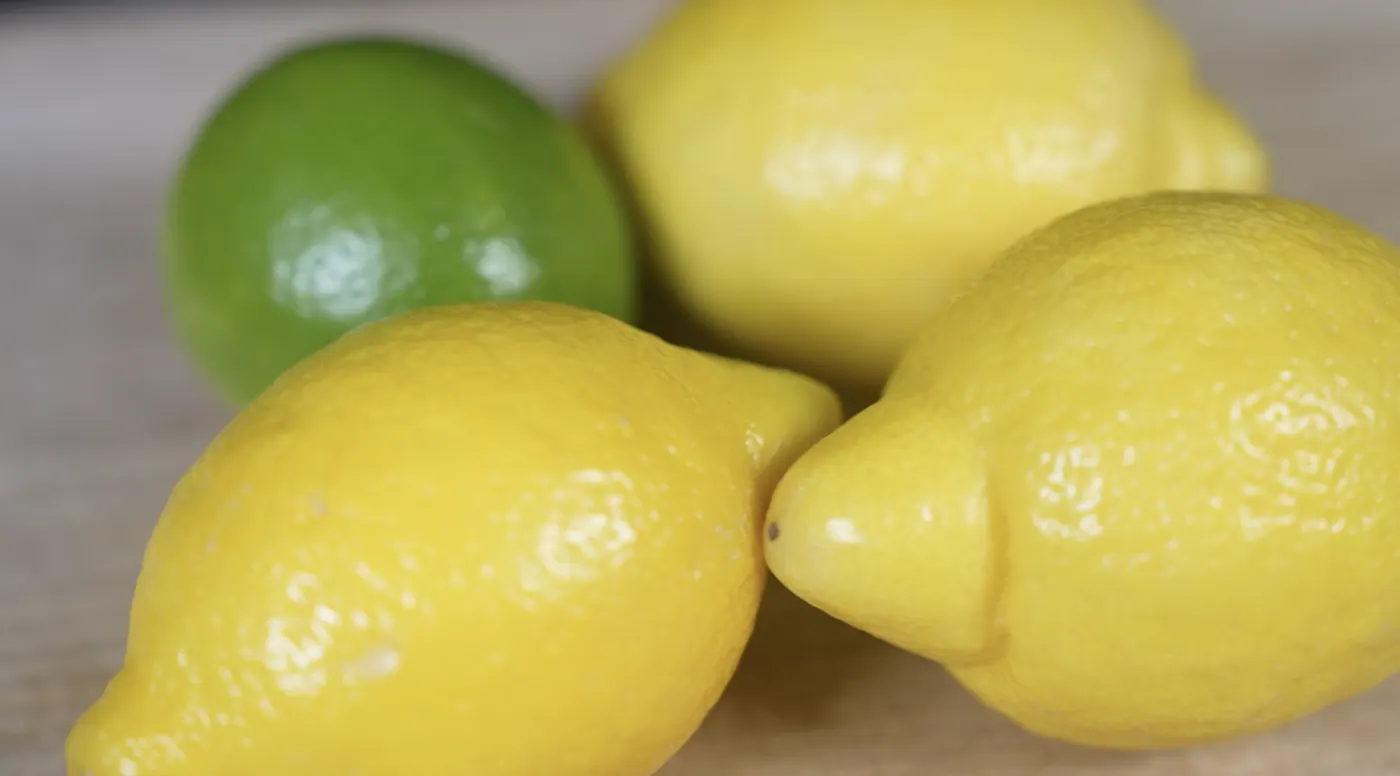
Gather 3-4 citrus fruits. You'll need about 50ml (3 tbsp) of fresh citrus juice - this is the star ingredient that gives ponzu its signature brightness.
While we're primarily using lemons today, feel free to use any citrus you like - yuzu, sudachi, lime, or a blend.
I highly recommend choosing fully ripe fruit. Ripe citrus has less bitterness and a more balanced, mellow acidity. The batch in the photos uses three lemons plus one lime for extra complexity.
Slice and juice the citrus
Cut the lemons into slices to make juicing easier.
Once everything is sliced, place a small bowl underneath and squeeze the fruit over it.
Don't worry if seeds or pulp fall into the bowl - we'll strain everything later.
Really squeeze the fruit to extract all the juice you can.
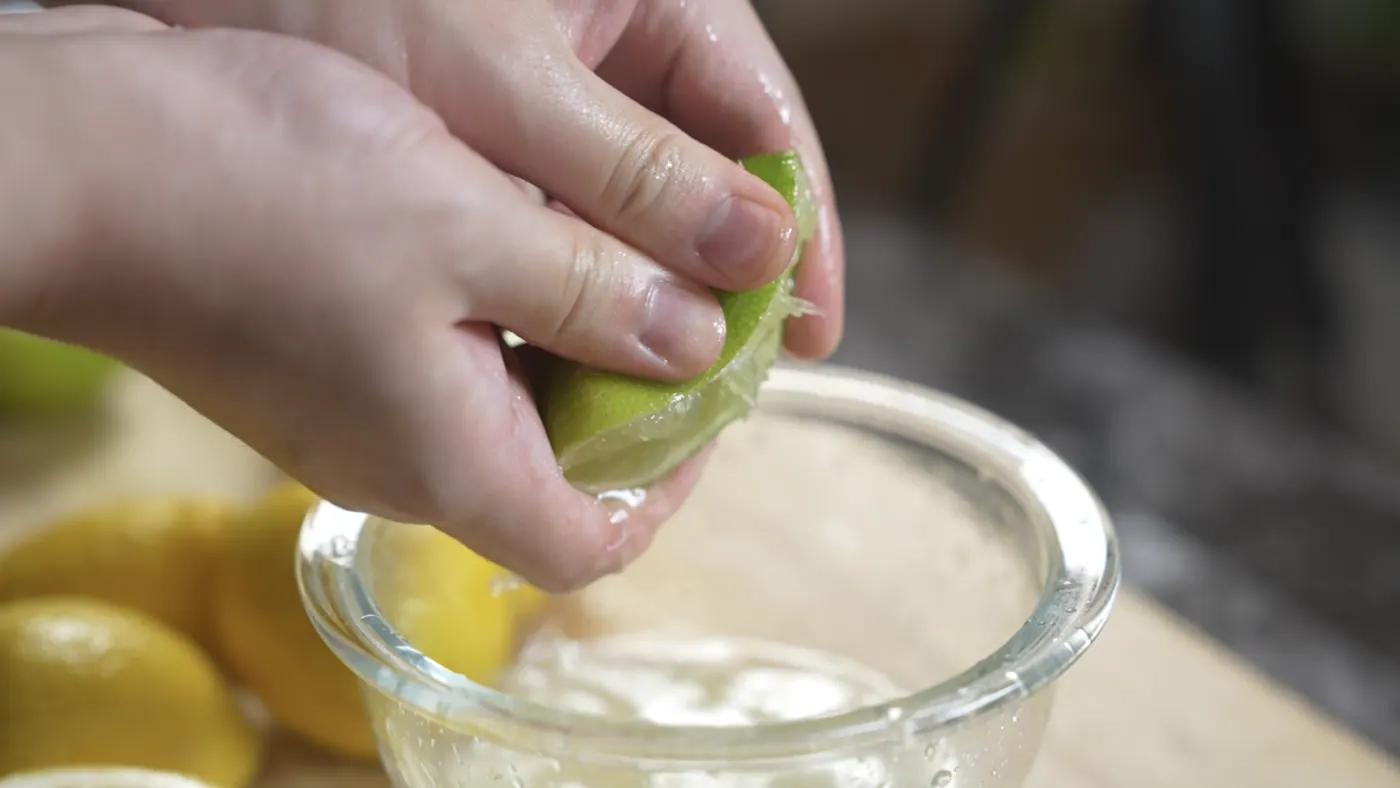
This amount of juice is perfect!
Don't waste the leftover peels - they make wonderful marmalade or can be candied.
Cooking Steps
Combine seasonings in pot
Place a small pot on the stove and add the following ingredients:
- 10g dried kombu (this extracts the umami)
- 100ml soy sauce
- 50ml mirin
- 50ml water
Don't add the citrus juice yet - it goes in later.
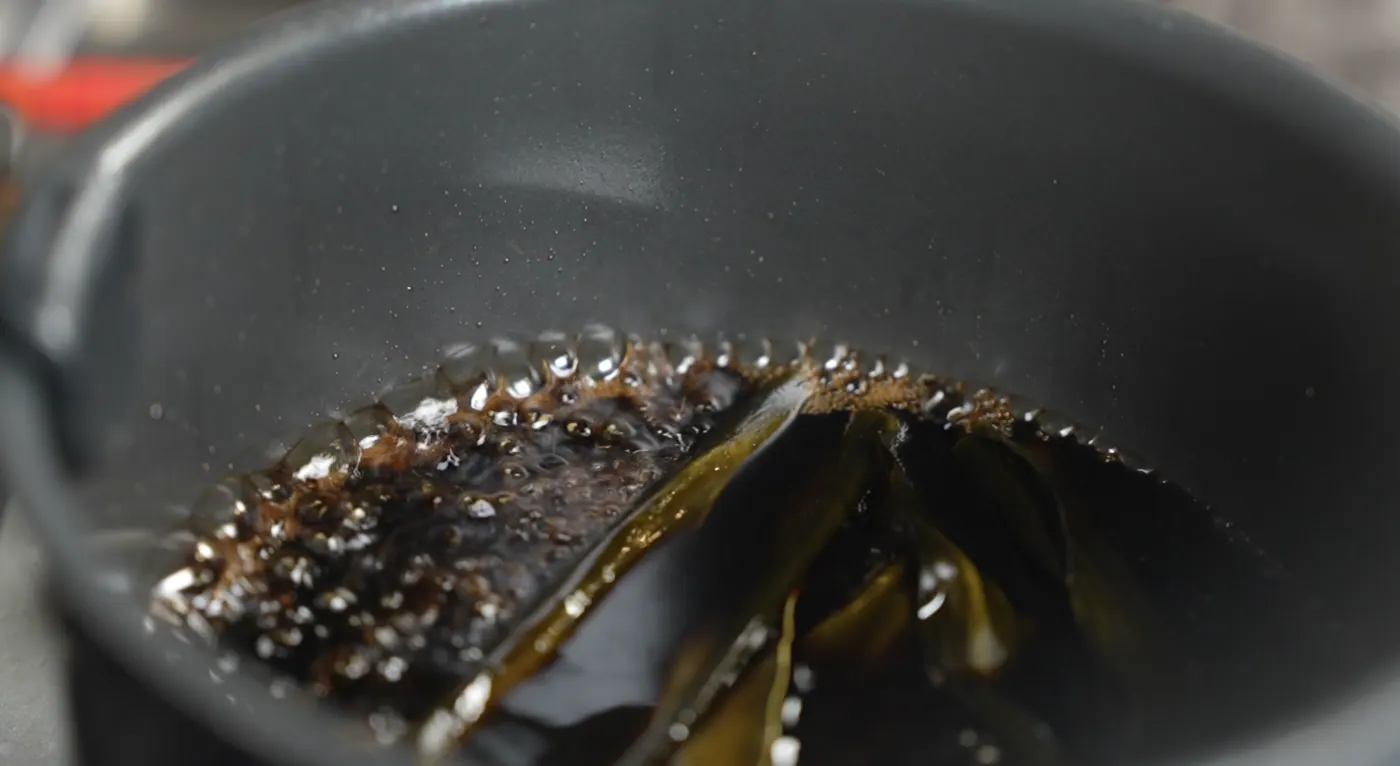
Turn the heat to medium and bring to a boil.
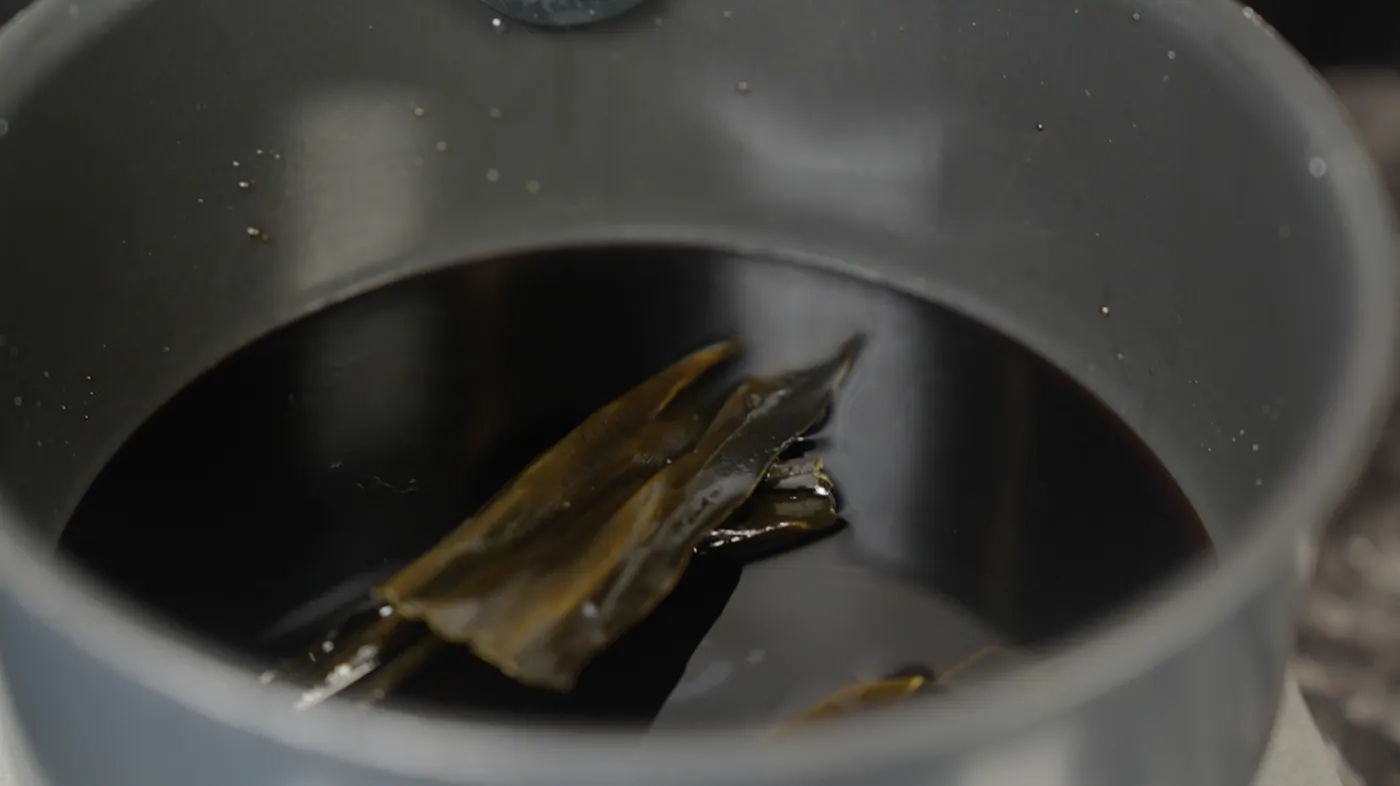
Heat slowly until the mixture comes to a boil.
After a few minutes, you'll see it start to bubble.
Steep to extract kombu umami
Once it reaches a boil, turn off the heat and let it sit for about 10 minutes.
The science behind this technique
Kombu releases optimal umami at 60°C (140°F) without any bitterness, but traditional extraction takes about an hour at that temperature.
By bringing the mixture to a boil then letting it steep, we dramatically reduce the extraction time while still getting clean, pure umami flavor.
This scientific approach gives you restaurant-quality ponzu in a fraction of the time.
Measure and adjust water
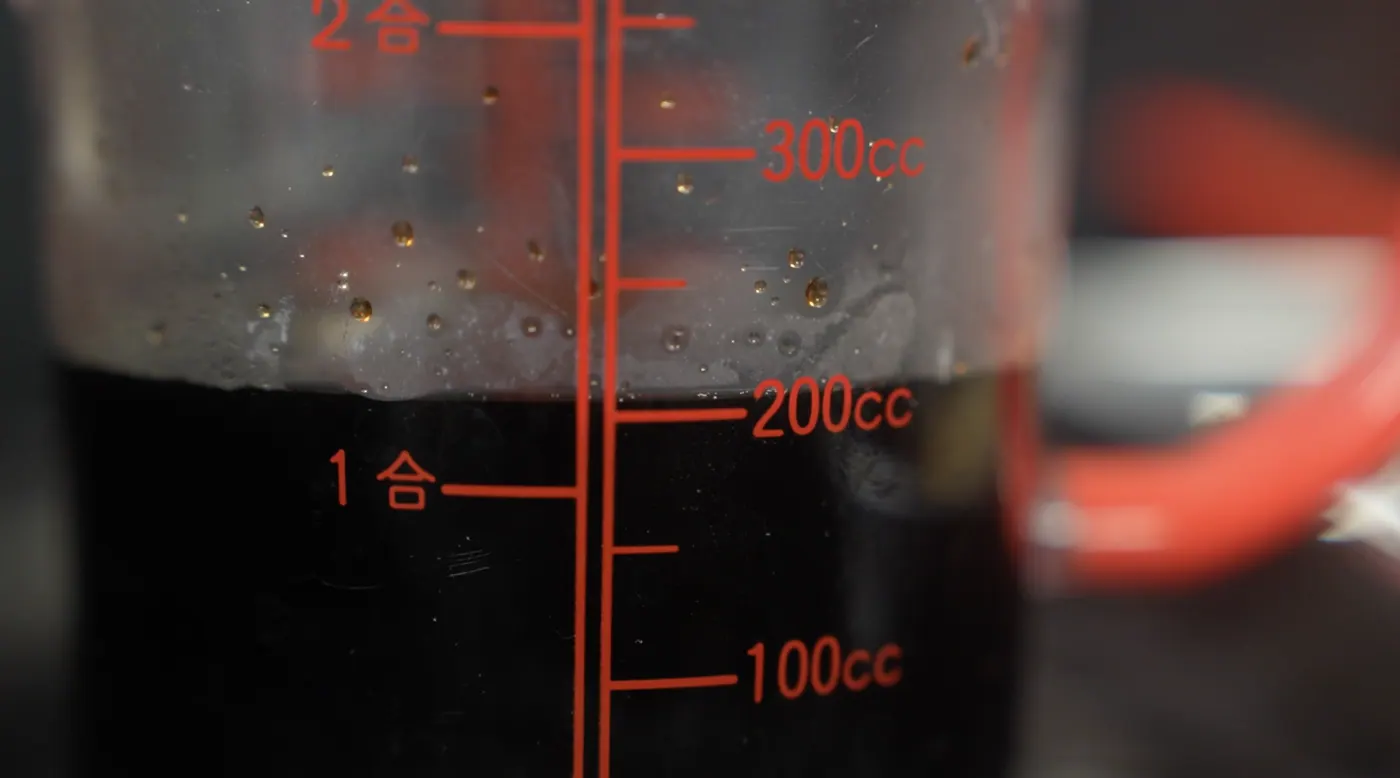
After 10 minutes of steeping, the kombu has released its umami. Pour the mixture into a measuring cup.
Some water has evaporated during boiling, so add a little more water until you're back to 200ml total (the amount of soy sauce, mirin and water you started with).
Add remaining ingredients
Add:
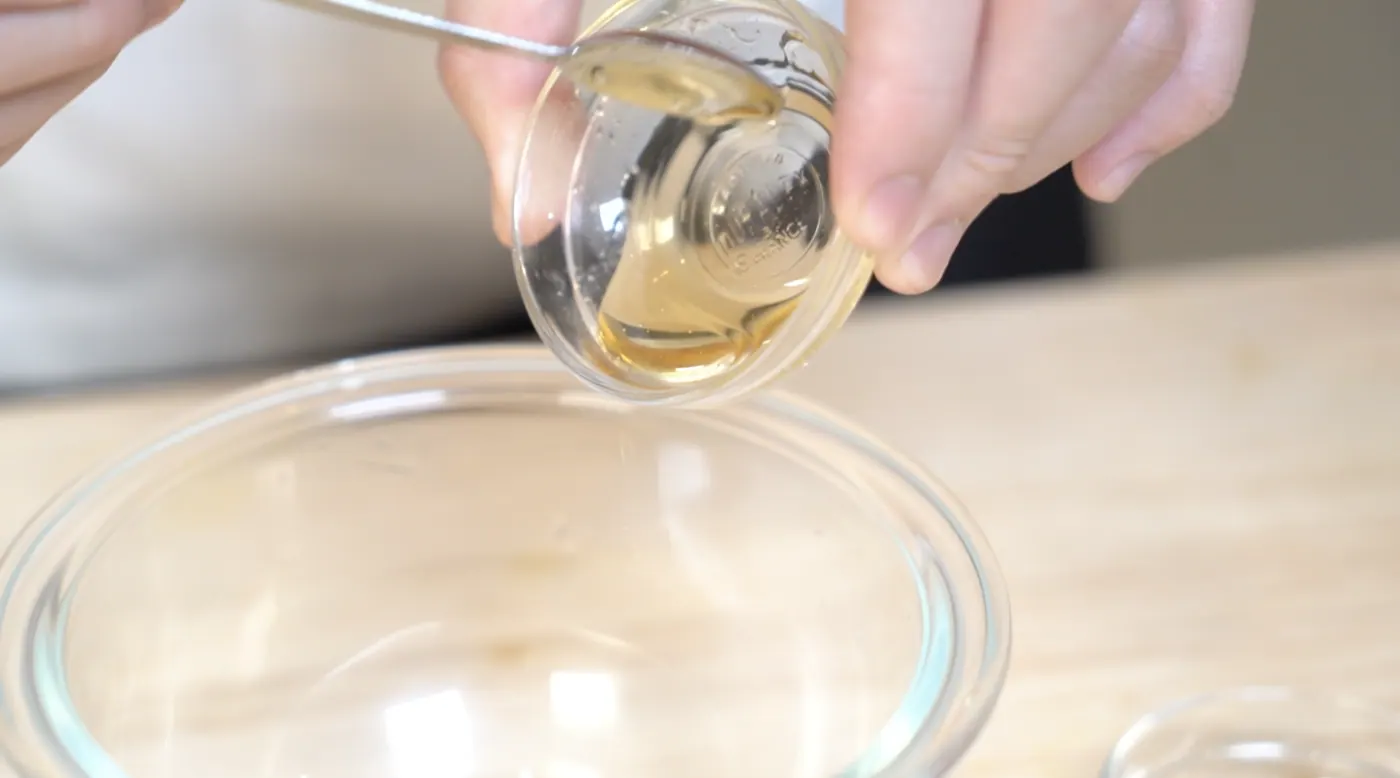
- 50ml fresh citrus juice
- 50ml rice vinegar
Stir everything together well.
That's it - easy, right?

Strain the ponzu
Set up a strainer over a bowl and line it with paper towels.
Slowly pour the ponzu through, being careful not to spill.
Once everything is poured, let it sit until all the liquid has dripped through into the bowl.
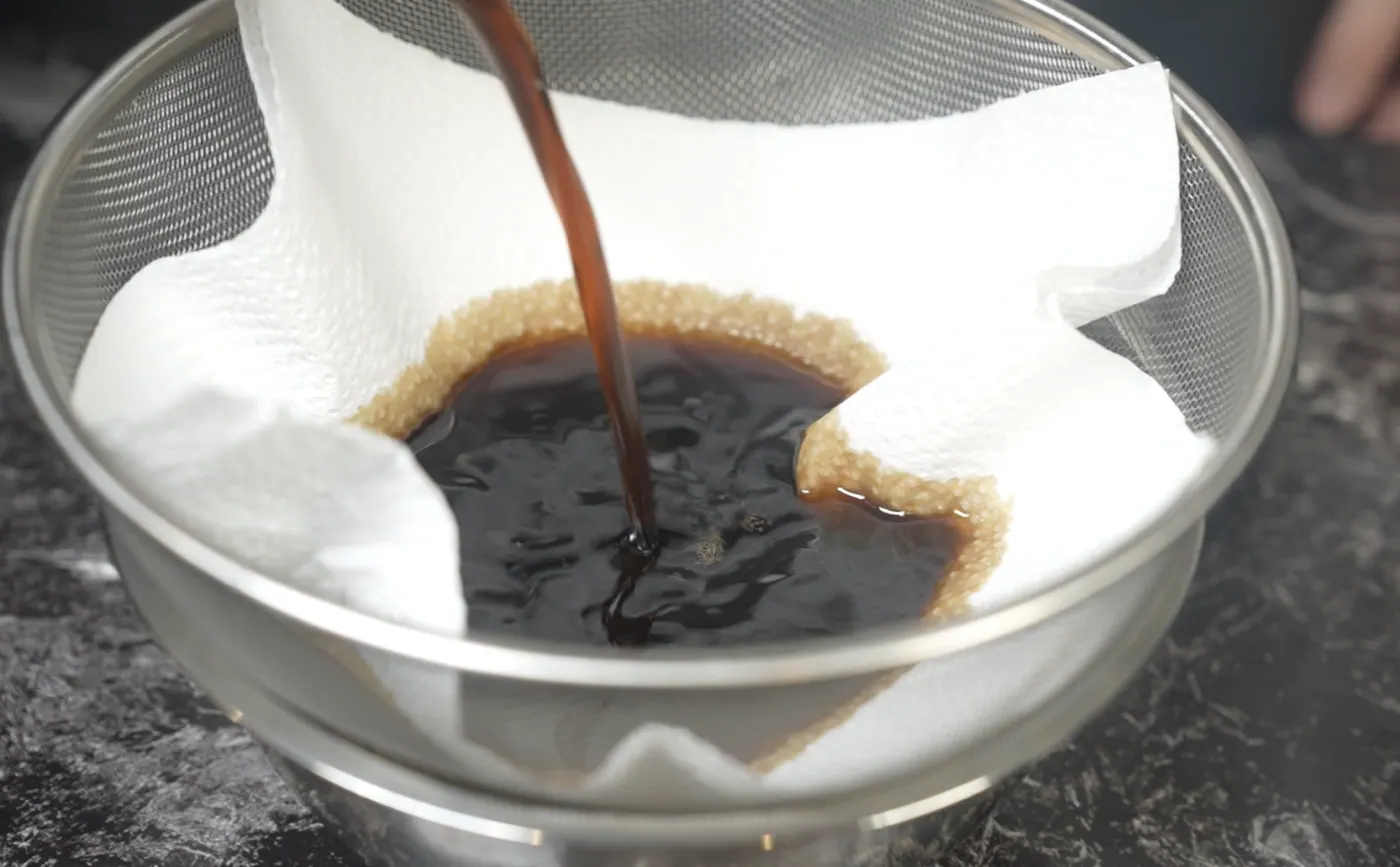
Once strained, you'll have beautifully clear ponzu with all the seeds and pulp removed!
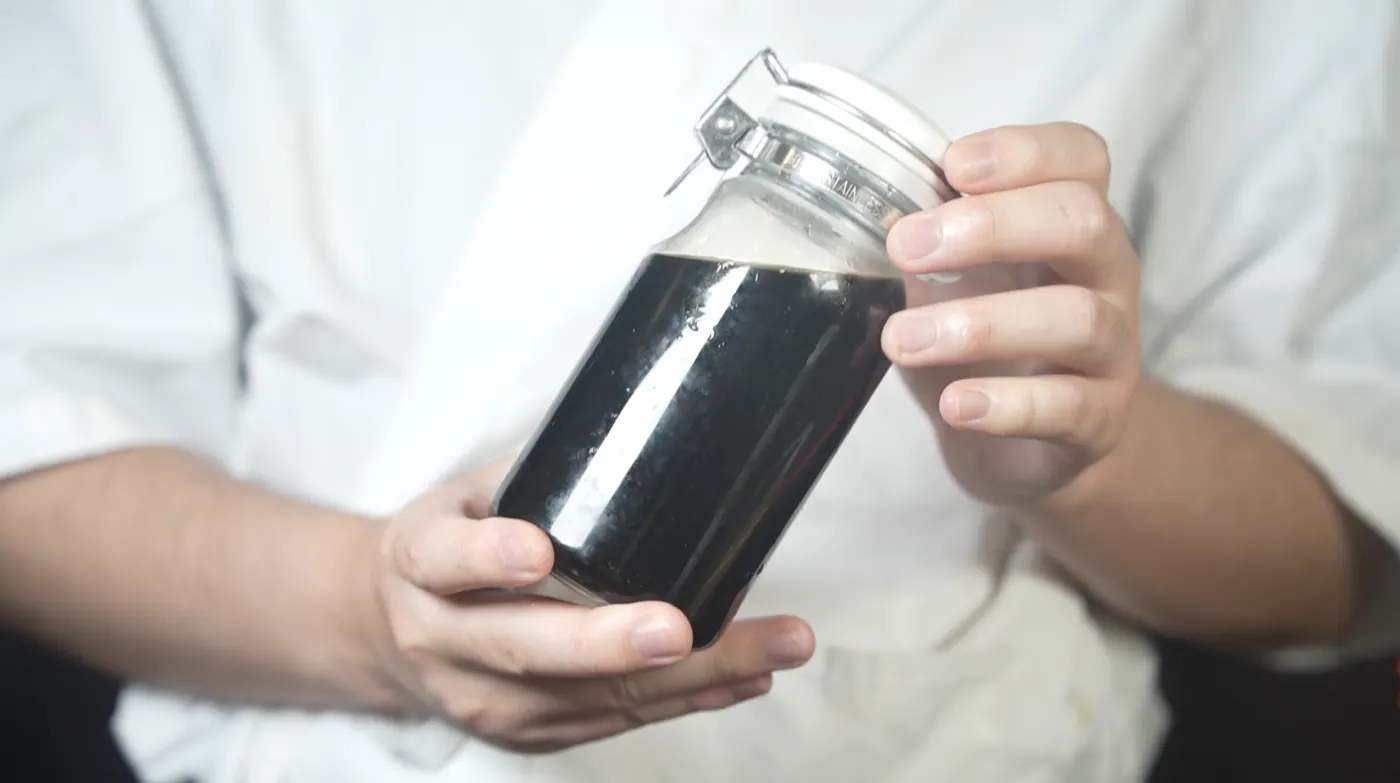
Look how clear and beautiful it is! Store it in a bottle and keep it refrigerated - ponzu lasts about 6 months, so definitely give this a try!
Tips & Techniques
Choose ripe citrus
Fully ripe fruit has less bitterness and a more balanced, mellow acidity. This is especially important with lemons and limes.
Kombu extraction is key
Bringing the mixture to a boil then steeping for 10 minutes extracts clean umami without any bitterness. Don't rush this step - the resting time is crucial.
Strain thoroughly
Straining through paper towels removes seeds, pulp, and any sediment, resulting in crystal-clear, restaurant-quality ponzu.
Sterilize your storage bottle
For maximum shelf life, sterilize your storage bottle by boiling or using food-safe alcohol before filling.
Troubleshooting
Common Questions
What should I do if my ponzu tastes bitter?
Bitterness comes from citrus pith and seeds. Use fully ripe fruit and strain thoroughly through paper towels to remove these compounds.
What should I do if I can't taste the kombu flavor?
The steeping time may have been too short. Make sure to let the mixture sit for at least 10 minutes after boiling to fully extract the umami.
Can I use bottled citrus juice?
Fresh juice is strongly recommended for the best flavor. Bottled juice often contains preservatives that can affect the taste and shelf life.
How do I know if my ponzu has gone bad?
If stored properly in a sterilized container in the refrigerator, ponzu lasts 6 months. Discard if you notice any mold, off smells, or cloudiness.
Final Thoughts
Homemade ponzu has a depth and balance that store-bought versions simply can't match. The bright citrus acidity perfectly complements the savory umami from the kombu, creating a versatile sauce that elevates countless dishes.
Ways to use ponzu:
- Dipping sauce for chilled or hot tofu
- Dipping sauce for hot pot (nabe)
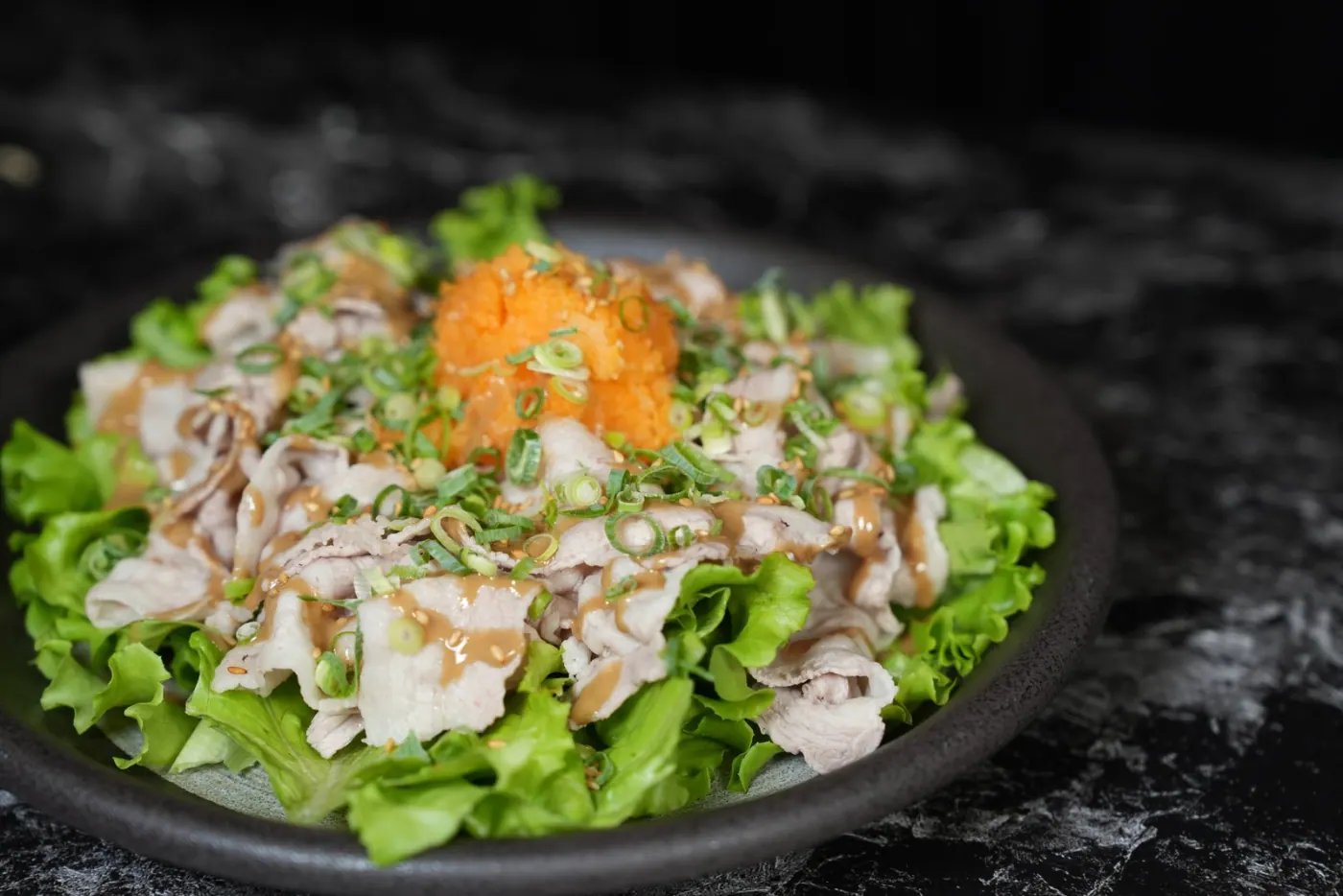
- Dressing for cold shabu-shabu (chilled pork salad)
- Salad dressing or light vinaigrette base
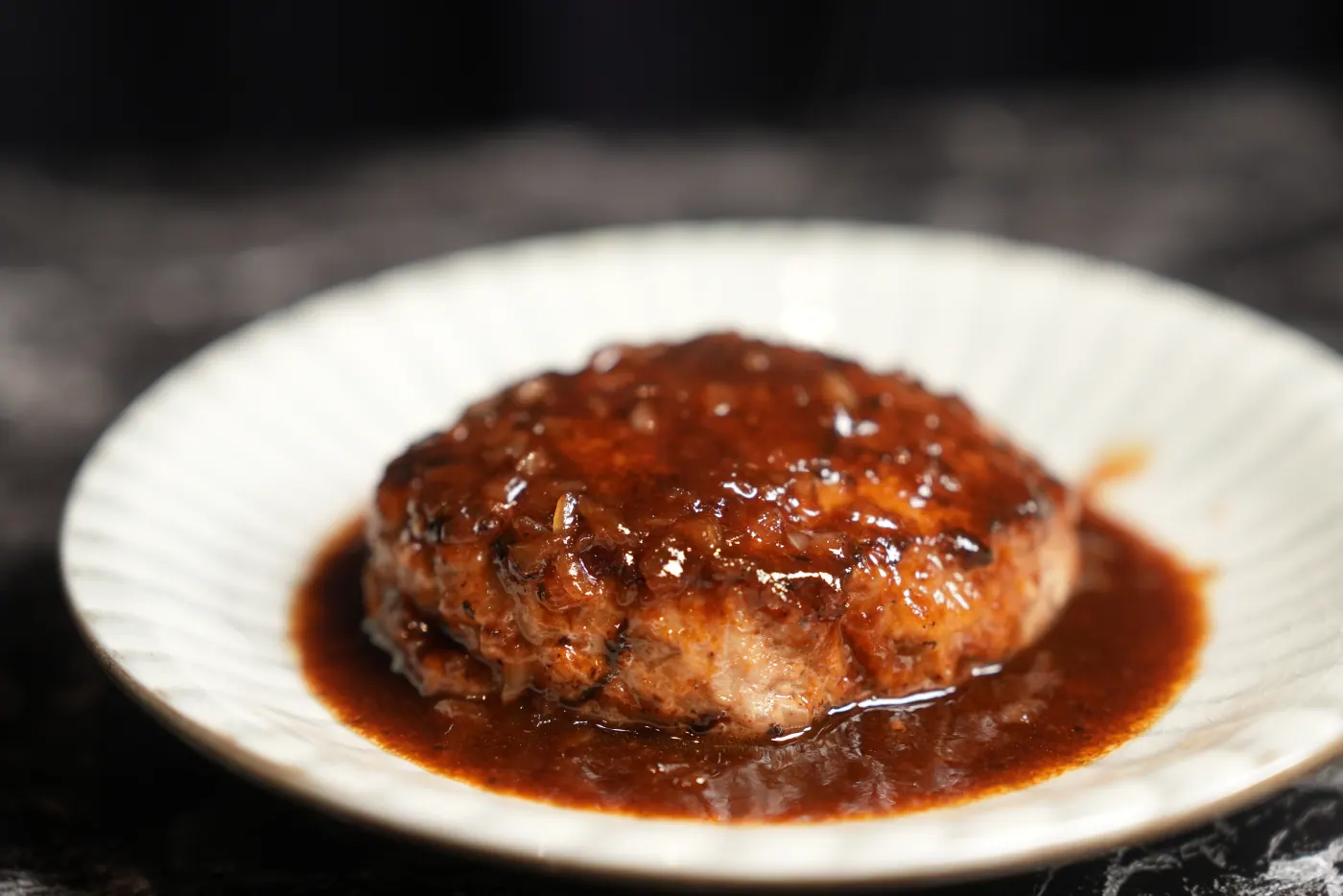
- Sauce for hamburgers or meatballs
- Dipping sauce for dumplings or gyoza
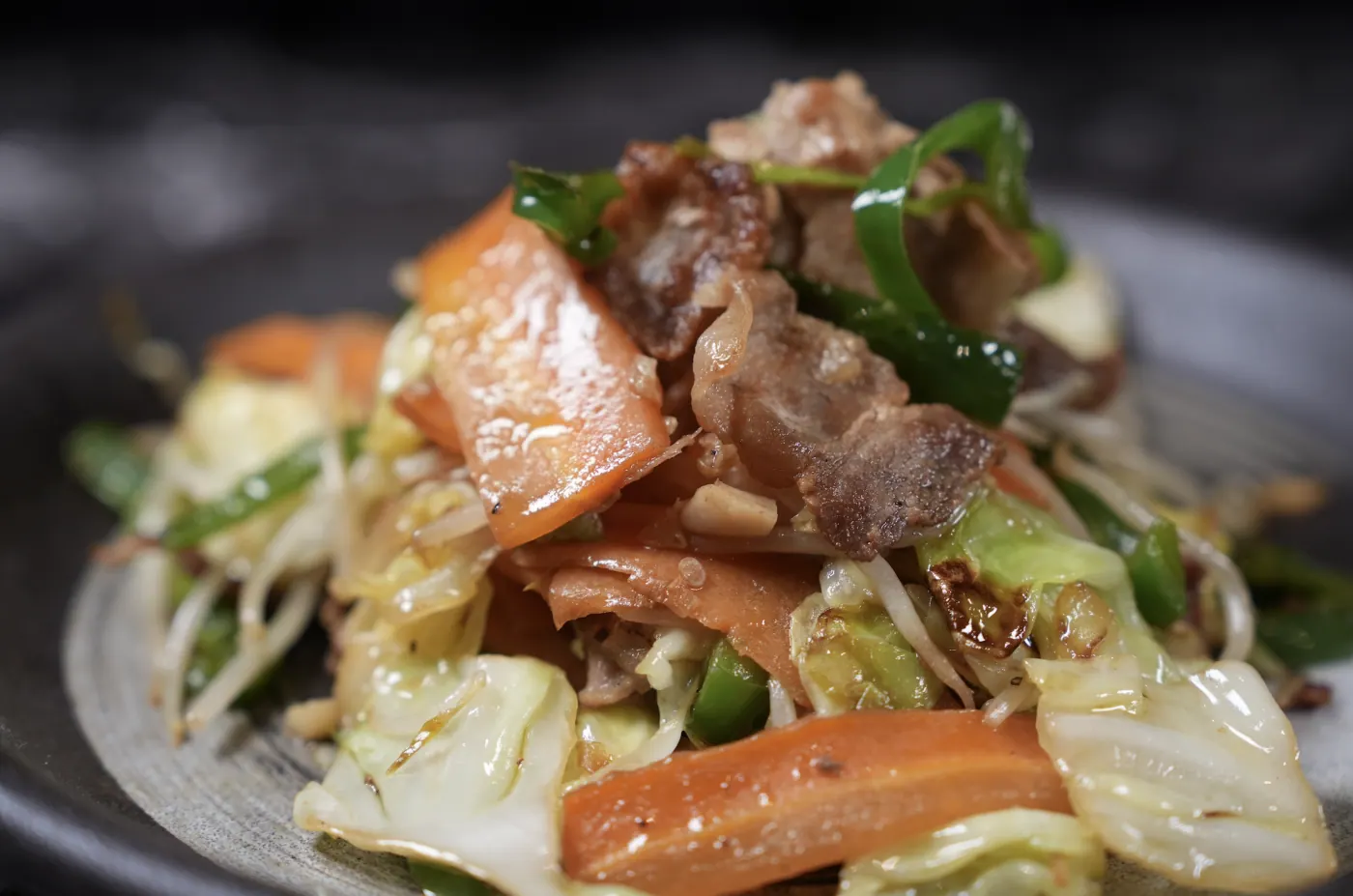
- Finishing sauce for stir-fried vegetables
- Marinade for grilled fish or chicken
Since it keeps for 6 months in the refrigerator, it's worth making a batch to have on hand. Experiment with different citrus combinations to create your own signature blend!
How to Store Ponzu
Storage Container
- Use a clean glass bottle (sterilized by boiling or with food-safe alcohol)
- A bottle with a tight seal is ideal
Storage Duration
- Refrigerated: Up to 6 months
- Always use a clean spoon or pour directly - avoid contaminating with chopsticks that have touched food
Tips for longevity:
- Keep refrigerated at all times
- Sterilize containers properly before filling
- Avoid introducing moisture or food particles
たれSauces & Condimentsポン酢
Ponzu Sauce (Japanese Citrus Soy Sauce)
Ponzu is an essential Japanese condiment that perfectly balances bright citrus acidity with the deep umami of soy sauce.
No ratings yet
Rate this recipe
- Prep
- 10 min
- Cook
- 15 min
- Steeping
- 10 min (kombu extraction)
- Total
- 35 min
- Yield
- About 300ml (1.25 cups)
- Difficulty
- Beginner
Ingredients
Main Ingredients
Ingredient amounts are multiplied; cooking times and pan size may need adjusting.
Instructions
Amounts mentioned in the steps are for the original recipe (1x) — use the scaled amounts above.
Prep: Juice the Citrus
Prepare the citrus
Gather 3-4 citrus fruits. You'll need about 50ml (3 tbsp) of fresh citrus juice - this is the star ingredient that gives ponzu its signature brightness.
While we're primarily using lemons today, feel free to use any citrus you like - yuzu, sudachi, lime, or a blend.
I highly recommend choosing fully ripe fruit. Ripe citrus has less bitterness and a more balanced, mellow acidity. The batch in the photos uses three lemons plus one lime for extra complexity.
Slice and juice the citrus
Cut the lemons into slices to make juicing easier.
Once everything is sliced, place a small bowl underneath and squeeze the fruit over it.
Don't worry if seeds or pulp fall into the bowl - we'll strain everything later.
Really squeeze the fruit to extract all the juice you can.
Don't waste the leftover peels - they make wonderful marmalade or can be candied.
Cooking Steps
Combine seasonings in pot
Place a small pot on the stove and add the following ingredients:
- 10g dried kombu (this extracts the umami)
- 100ml soy sauce
- 50ml mirin
- 50ml water
Don't add the citrus juice yet - it goes in later.
Turn the heat to medium and bring to a boil.
Heat slowly until the mixture comes to a boil.
After a few minutes, you'll see it start to bubble.
Steep to extract kombu umami
Once it reaches a boil, turn off the heat and let it sit for about 10 minutes.
Measure and adjust water
After 10 minutes of steeping, the kombu has released its umami. Pour the mixture into a measuring cup.
Some water has evaporated during boiling, so add a little more water until you're back to 200ml total (the amount of soy sauce, mirin and water you started with).
Add remaining ingredients
Add:
- 50ml fresh citrus juice
- 50ml rice vinegar
Stir everything together well.
That's it - easy, right?
Strain the ponzu
Set up a strainer over a bowl and line it with paper towels.
Slowly pour the ponzu through, being careful not to spill.
Once everything is poured, let it sit until all the liquid has dripped through into the bowl.
Once strained, you'll have beautifully clear ponzu with all the seeds and pulp removed!
Look how clear and beautiful it is! Store it in a bottle and keep it refrigerated - ponzu lasts about 6 months, so definitely give this a try!
Video
Watch the video · 4:07Open on YouTube
Jump to a part of the video (5 chapters)
Video: https://youtu.be/sj8Myli-tTU
Notes
Substitutions
- Citrus: While this recipe primarily uses lemon, you can use yuzu, sudachi, lime, or any combination. Choose fully ripe fruit to minimize bitterness. Meyer lemons work beautifully for a sweeter, more floral profile
- Mirin: If unavailable, see our mirin substitute recipe. In a pinch, use 3 tbsp sake plus 1 tbsp sugar
- Kombu: Any dashi-grade kombu works well. The kombu is what gives ponzu its signature depth and umami
- Rice vinegar: Regular unseasoned rice vinegar is best, but apple cider vinegar can work in a pinch
To store
- Use a clean glass bottle (sterilized by boiling or with food-safe alcohol)
- A bottle with a tight seal is ideal
- Refrigerated: Up to 6 months
- Always use a clean spoon or pour directly - avoid contaminating with chopsticks that have touched food
Nutrition estimated, per tablespoon (15 ml)
- Calories
- 11 kcal
- Carbohydrates
- 2.1 g
- Protein
- 0.5 g
- Fat
- 0 g
- Saturated fat
- 0 g
- Fiber
- 0 g
- Sugar
- 0.9 g
- Sodium
- 337 mg
Estimated by us from the Standard Tables of Food Composition in Japan (MEXT, 2020). Optional ingredients and garnishes are not counted; soup and sauce are counted as fully eaten. Actual values depend on your brands and portion sizes. How we calculate this
Course: Sauces & Condiments · Cuisine: Japanese · Keyword: Ponzu
Recipe from Japanese Cooking Ichie — https://japanesecookingichie.com/recipes/ponzu/
Use it in
Recipes that use ponzu.


Ratings & comments
No ratings yet — be the first to rate this recipe.
Comments