- Prep
- 1 min
- Cook
- 1 min
- Total
- 2 min
- Yield
- 1 tablespoon (substitutes 1 tablespoon of mirin)
- Difficulty
- Beginner
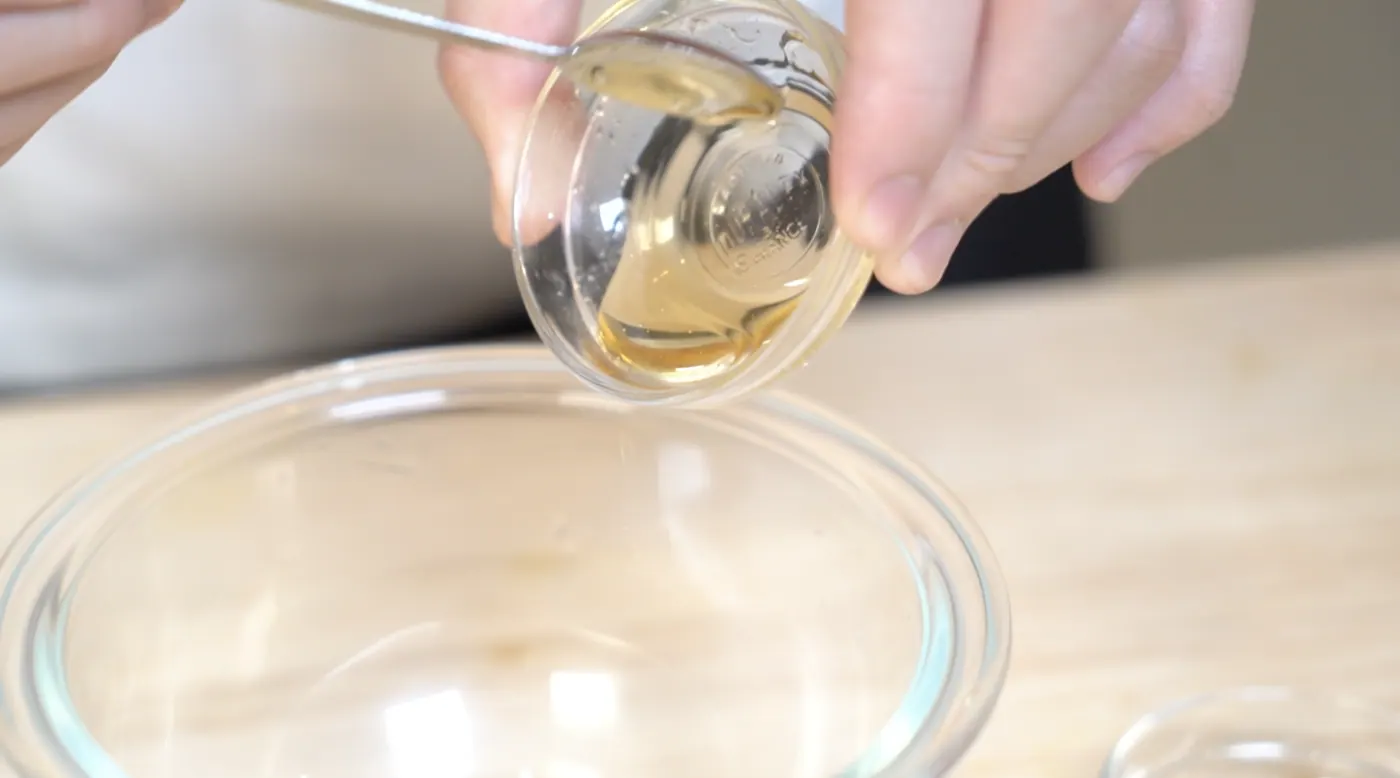
Mirin is an essential seasoning in Japanese cuisine. While it's readily available in Japan, it can be difficult to find outside of Asian grocery stores in many countries.
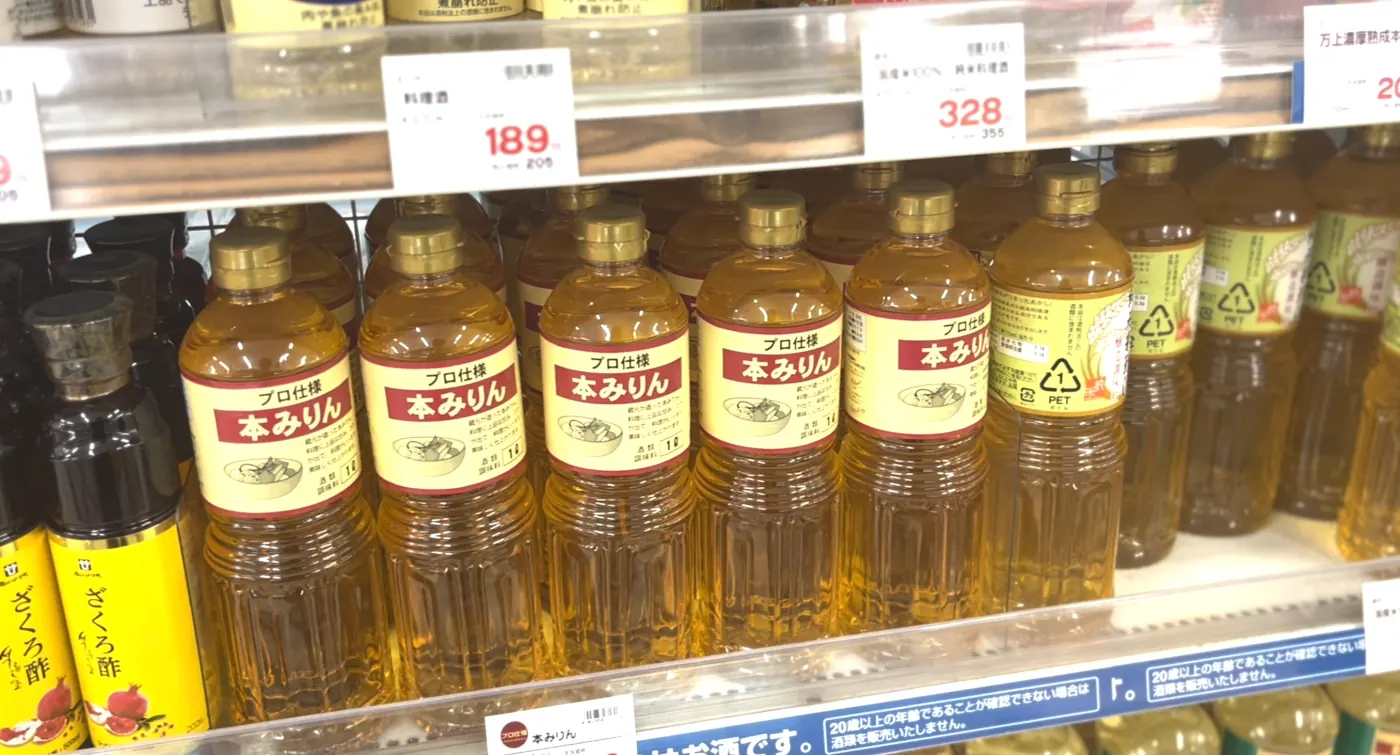
This recipe shows you two simple methods to make mirin substitutes using common household ingredients. Both are incredibly easy - just mix and you're done! These substitutes recreate mirin's distinctive flavor, allowing you to enjoy authentic Japanese cooking wherever you are.
Why You'll Love This Recipe
- Ready in 2 minutes - Just mix and use
- Only 2 ingredients - Sake and sugar, or sake and honey
- Works anywhere - Perfect when mirin is unavailable
- No storage needed - Make only what you need
- Authentic flavor - Closely replicates real mirin
Key Points for Success
- Mix until sugar completely dissolves
- The honey method produces a flavor closer to real mirin
- Adjust sugar amount when using white wine
- Make fresh each time rather than storing
Equipment Needed
- Small bowl or dish
- Spoon or chopsticks (for mixing)
- Measuring spoons
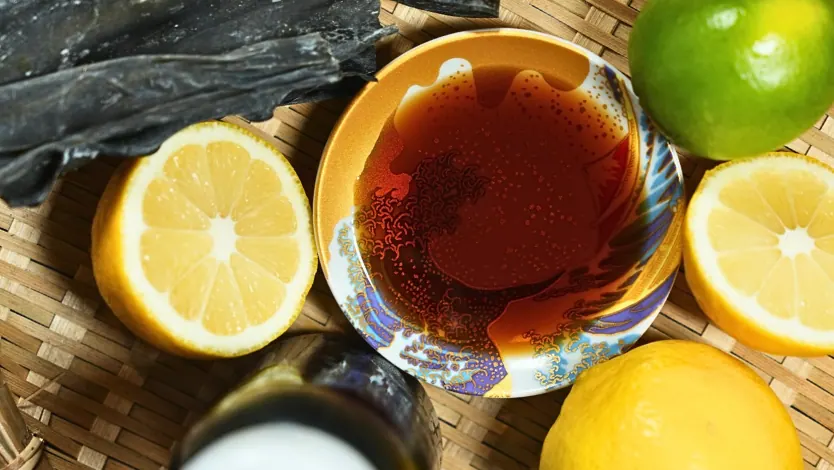
Mirin Substitute Ingredients
Ingredient Substitutions
- Sake: If you don't have cooking sake, use dry white wine with around 15% alcohol content
- When using white wine: White wine is sweeter than sake, so reduce the sugar to 1/2 teaspoon
- Japanese sake: You can use drinking sake instead of cooking sake for excellent results
Video Tutorial
For detailed instructions, check out this video. You'll see the differences between the two methods and their characteristics explained clearly through the actual preparation process.

How to Make Mirin Substitute
Method 1: Mirin Substitute with Sugar
Combine sake and sugar
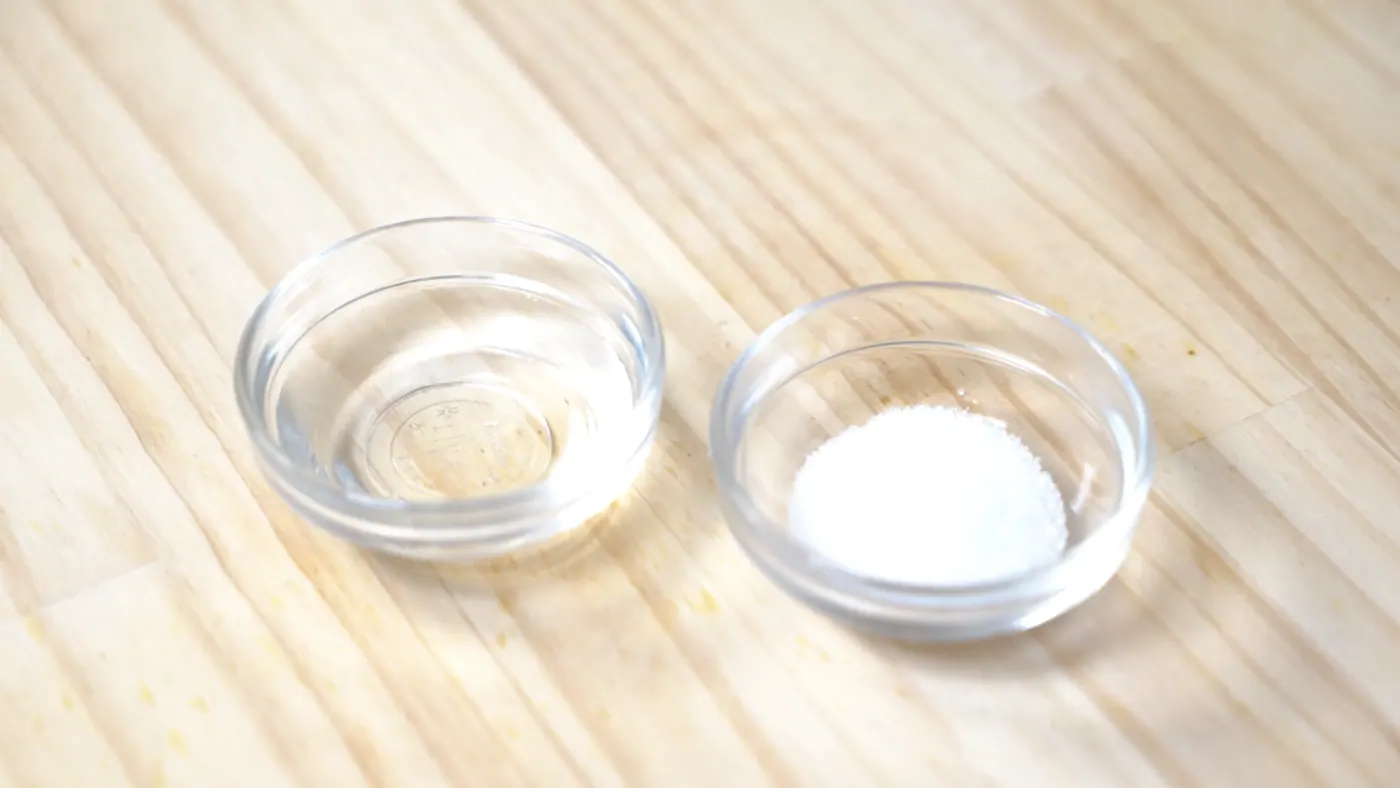
Prepare a small bowl and add:
- Sake 1 tablespoon
- Sugar 1 teaspoon
Mix until sugar dissolves
Using a spoon or chopsticks, mix thoroughly until the sugar completely dissolves.
It's okay if a little sugar remains undissolved.
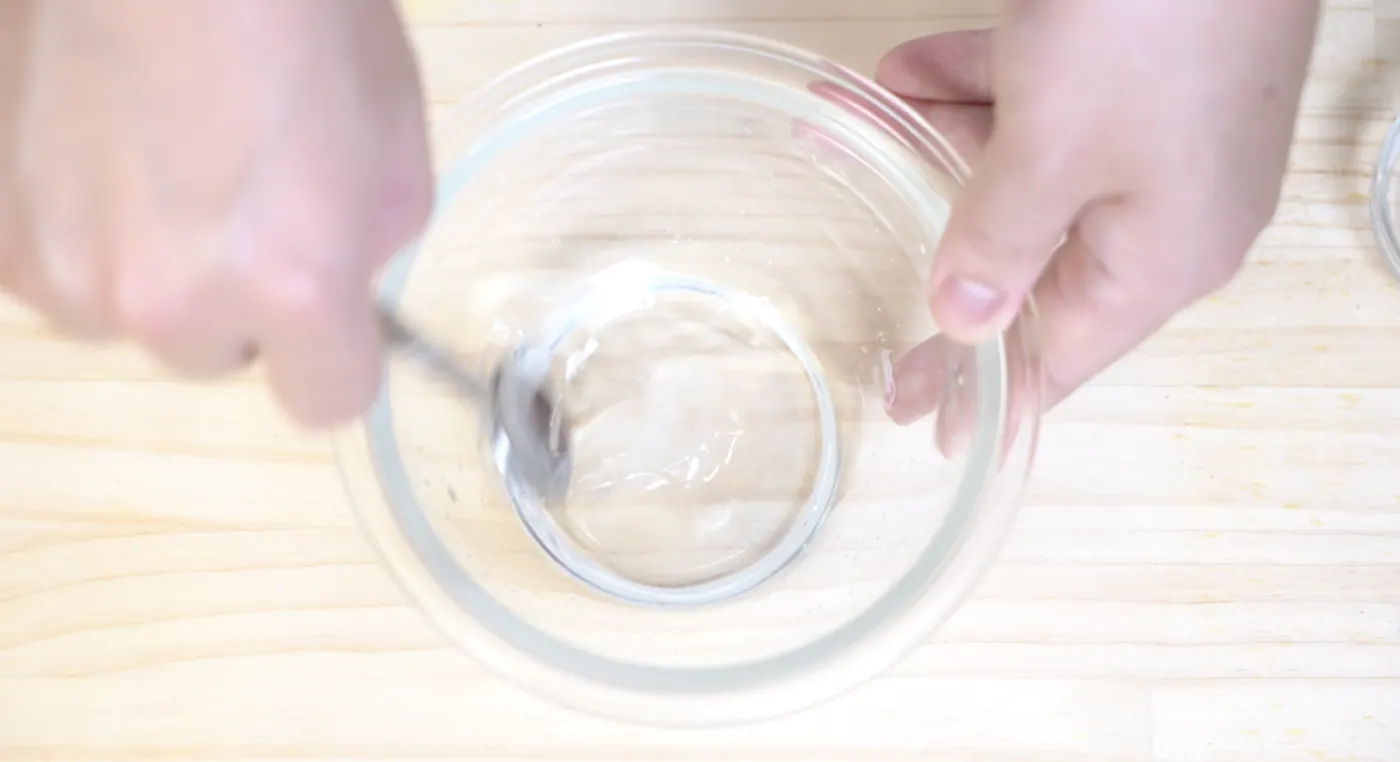
Done!
Your mirin substitute is ready! Use it immediately in your cooking.
Method 2: Mirin Substitute with Honey (Recommended)
Combine sake and honey
Actually, this is a lesser-known secret: using honey instead of sugar is the better method.
Prepare a small bowl and add:
- Sake 1 tablespoon
- Honey 1/2 teaspoon
Why Honey Works Better
Honey contains:
- Rich in glucose - One of mirin's key components
- Flavor closer to mirin - Replicates authentic mirin better than sugar
- Perfect sweetness level - Honey is sweeter than sugar, so you need less
This scientific approach creates a more authentic flavor!
Mix thoroughly until honey completely dissolves
Honey is harder to dissolve than sugar, so mix well like this.
Once the honey has completely dissolved, you're done.
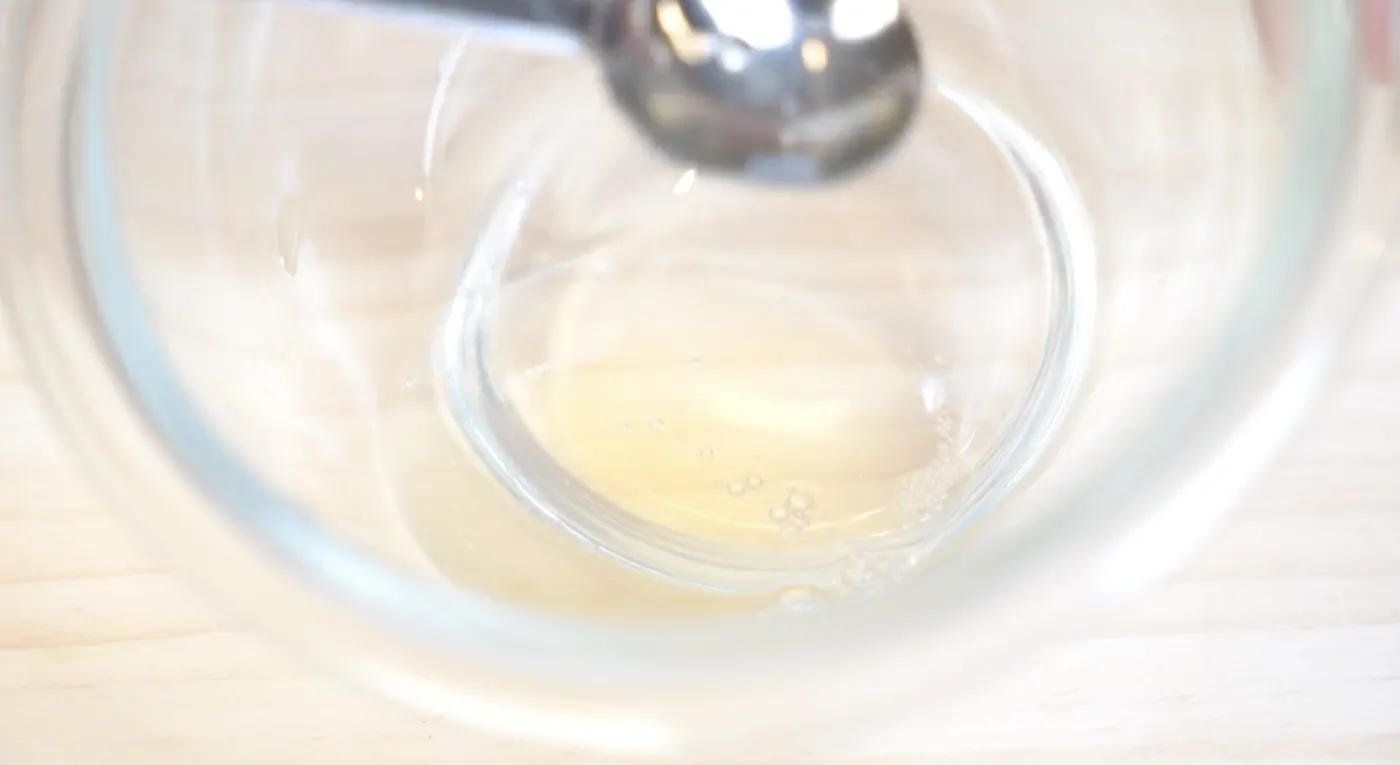
Done!
Your honey-based mirin substitute is complete! This version has a more authentic flavor than the sugar version.
How to Use and Storage
How to Use
Use your mirin substitute exactly like regular mirin.
It works in teriyaki, simmered dishes, rice bowls, noodle broths, and any Japanese recipe that calls for mirin.
Dishes Where Mirin Substitute Shines
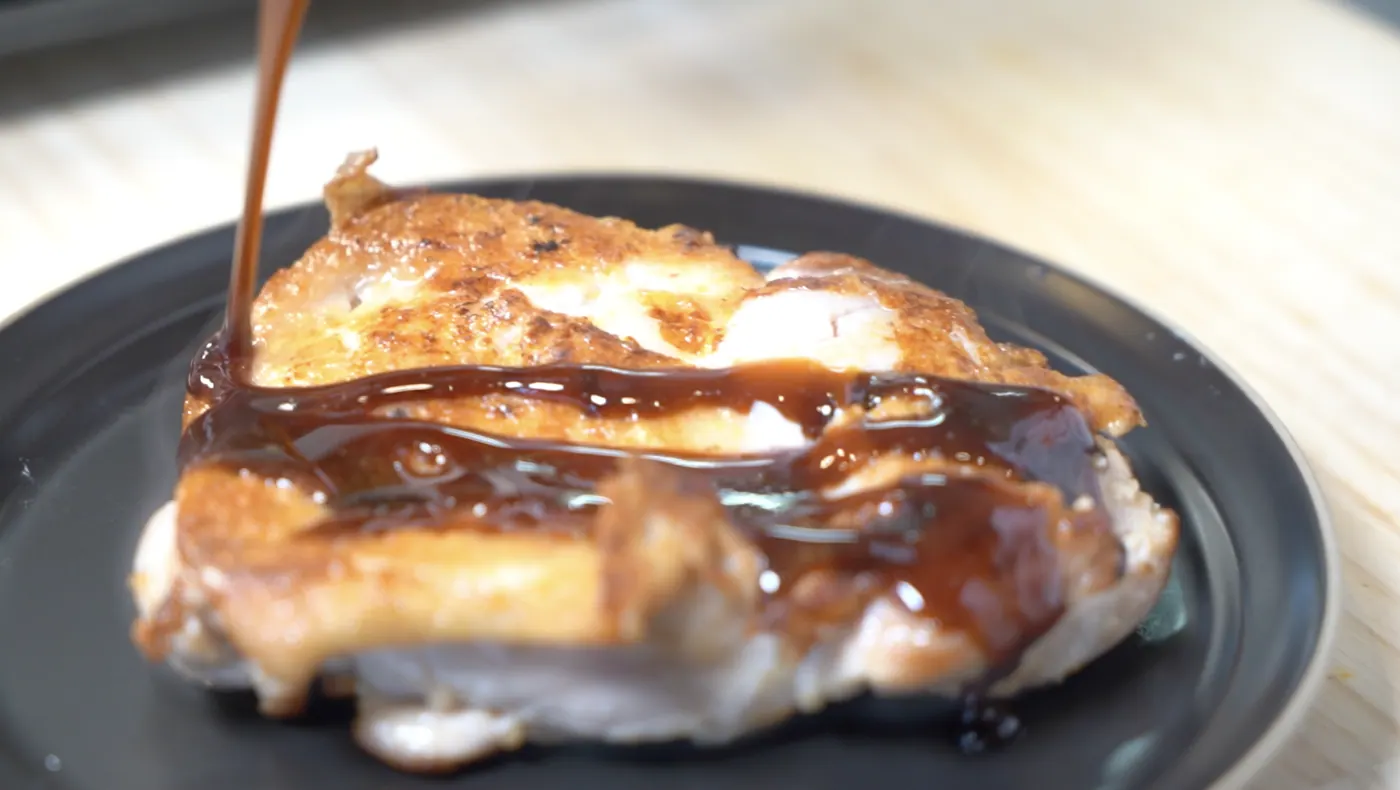
- Teriyaki Chicken - For that sweet and savory sauce
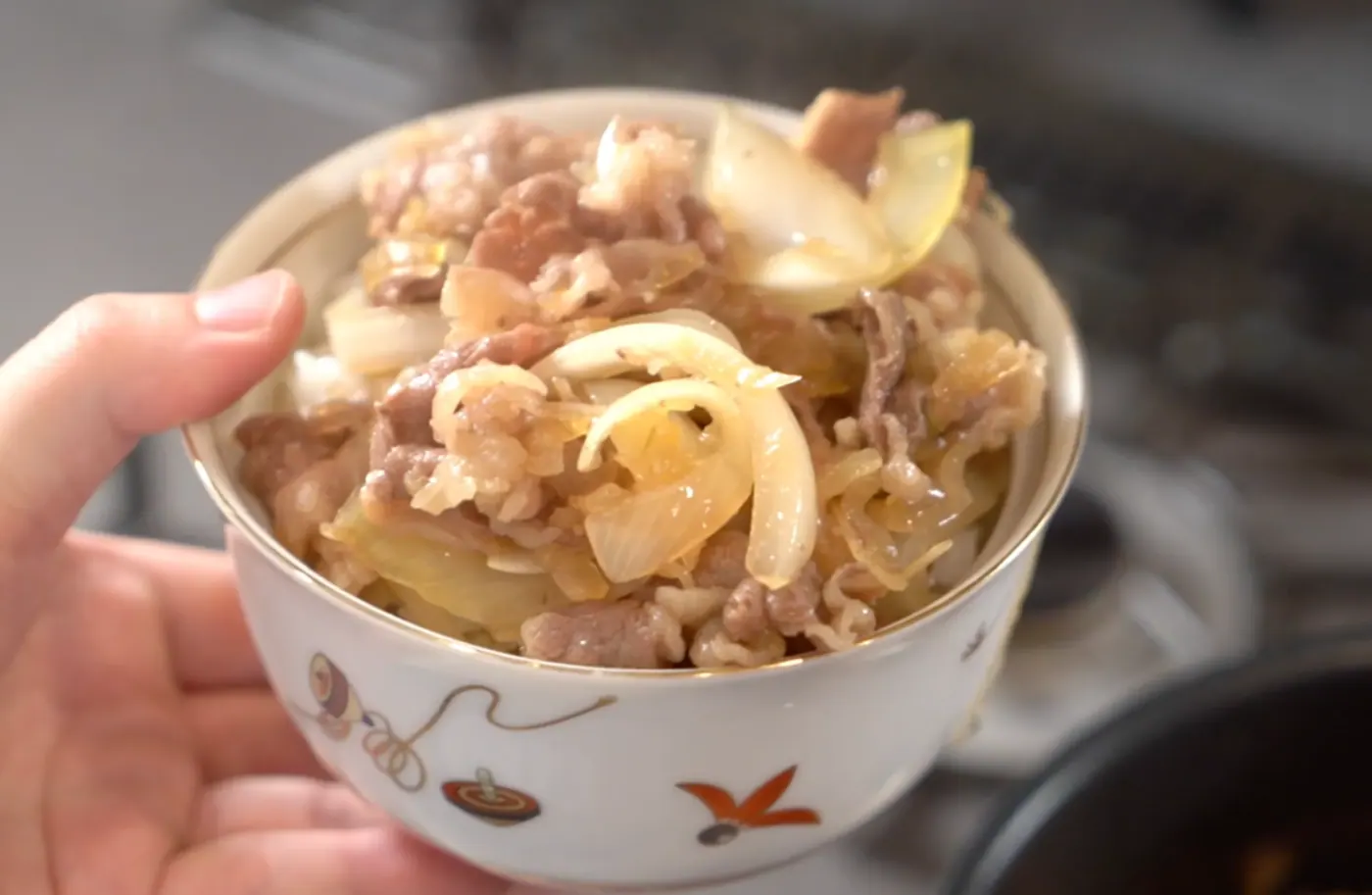
- Nikujaga (Meat and Potato Stew) - Adds sweetness and depth to simmered dishes
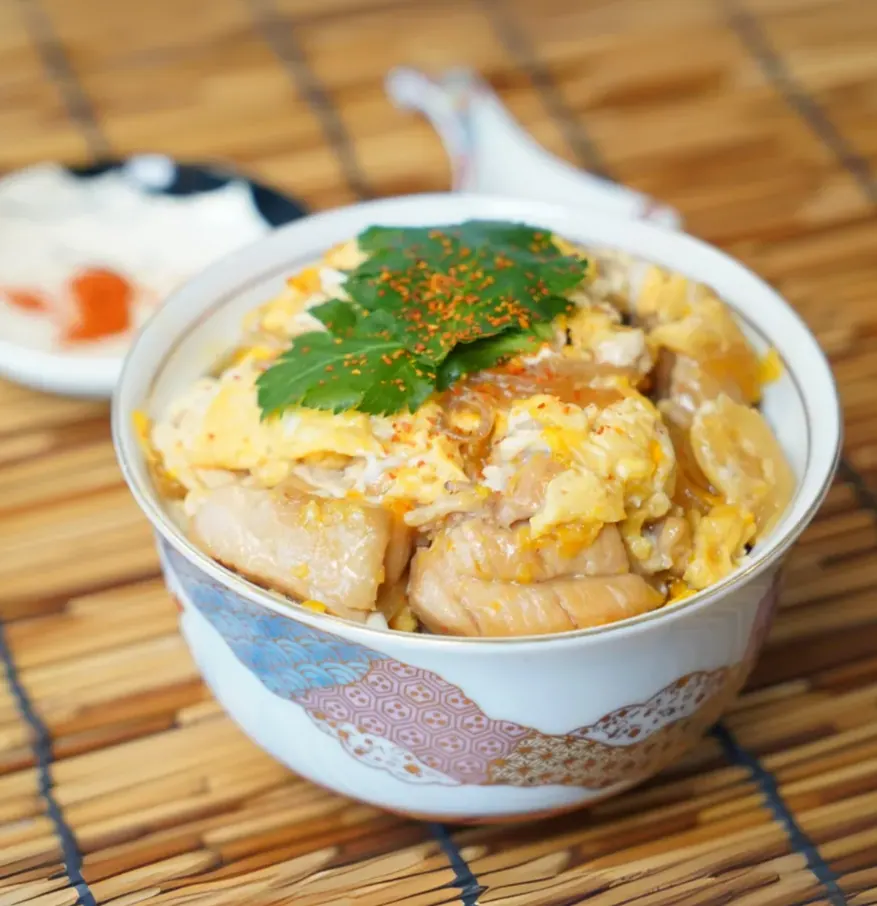
- Oyakodon (Chicken and Egg Bowl) - Flavors the egg coating
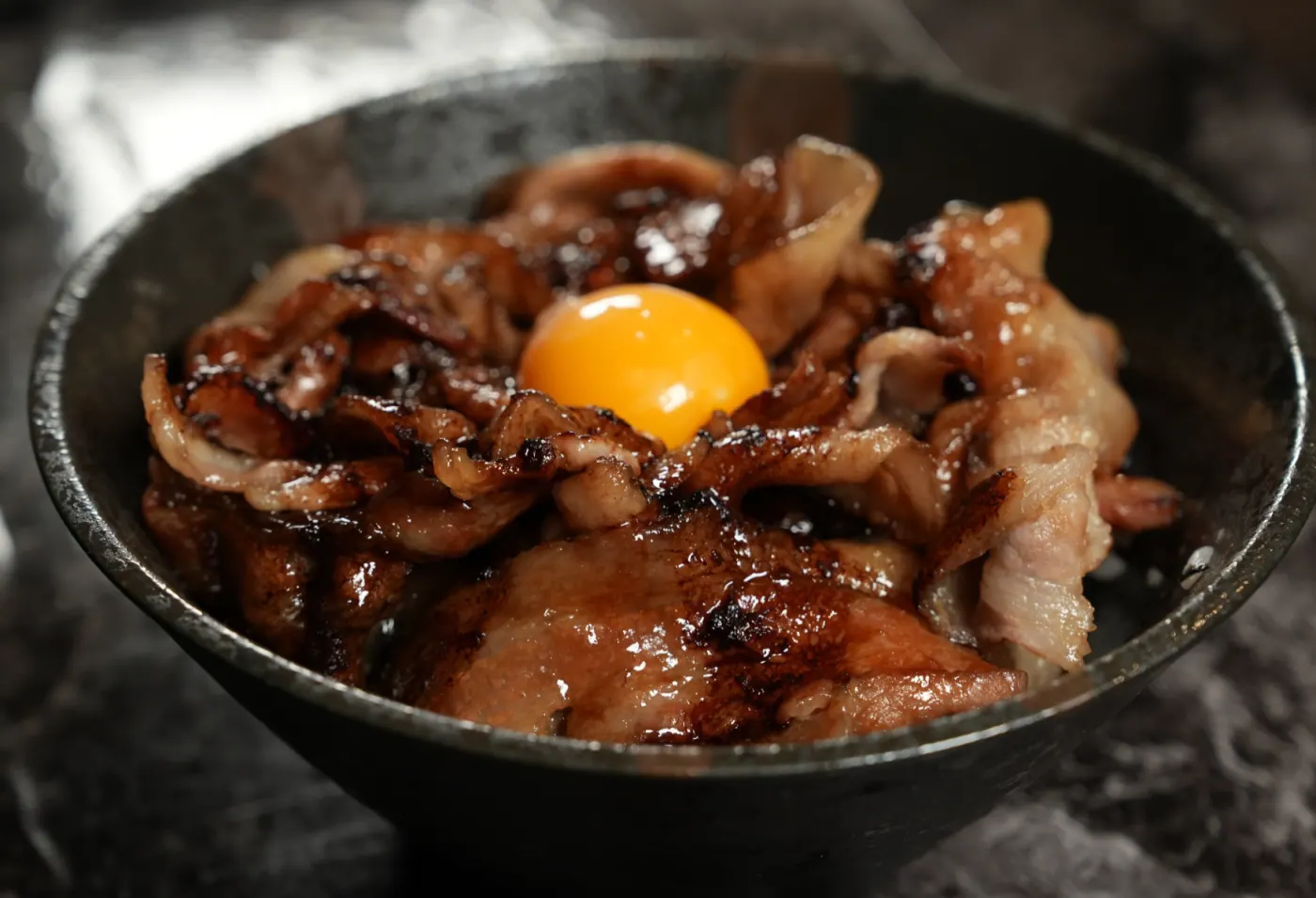
- Sukiyaki - Sweetens the dipping sauce
About Storage
Important: Mirin substitutes cannot be stored.
Make only what you need and use it immediately.
Why You Shouldn't Store It
- The alcohol hasn't evaporated, reducing shelf stability
- Sugar or honey may separate over time
- Fresh preparation tastes best
Making it fresh each time ensures the best flavor.
Cooking Tips and Techniques
Dissolve the sugar completely
While it's okay if a little sugar remains, dissolving it completely creates a more uniform flavor.
The honey version is recommended
Honey produces a flavor closer to real mirin, so this method is recommended for those seeking more authentic taste.
Reduce sugar when using white wine
White wine is sweeter than sake, so reduce the sugar amount to 1/2 teaspoon. Balance is key.
Make only what you need
The recipe makes 1 tablespoon, but you can double or triple it as needed. However, don't make it ahead - prepare fresh each time.
Troubleshooting
Frequently Asked Questions
What should I do if the sugar won't completely dissolve?
It's fine if a little remains. It will dissolve during the cooking process. If it really bothers you, add a tiny amount of water to help it dissolve.
Which is better - honey or sugar?
Honey produces a flavor closer to mirin so it's recommended, but sugar works perfectly well too. Use whichever you have on hand.
How close is this to real mirin?
It's not identical, but it comes remarkably close. The honey version especially produces a very authentic flavor.
What if I don't have cooking sake?
Use dry white wine with around 15% alcohol content. However, white wine is sweeter, so reduce the sugar to 1/2 teaspoon.
What is Mirin?
Understanding Mirin
Mirin is a sweet Japanese cooking wine made from glutinous rice, rice koji, and distilled alcohol. It has:
- Sweet flavor from the natural sugars created during fermentation
- Subtle umami that enhances other ingredients
- Glazing properties that create beautiful shine on cooked foods
- Alcohol content of around 14%, which helps tenderize meat and remove fishy odors
In Japanese cooking, mirin is one of the fundamental seasonings alongside soy sauce, sake, and dashi.
Final Thoughts
With just 2 simple ingredients, you can create an effective mirin substitute. Even when living abroad where mirin is hard to find, this substitute allows you to cook authentic Japanese dishes. It's a versatile seasoning that works in teriyaki, simmered dishes, rice bowls, and countless other Japanese recipes.
Though simple, this substitute successfully recreates the essential flavor of mirin in Japanese cooking. Give it a try!
たれSauces & Condimentsみりんの代用
Mirin Substitute - Easy 2-Ingredient Recipe
Mirin is an essential seasoning in Japanese cuisine. While it's readily available in Japan, it can be difficult to find outside of Asian grocery stores in many countries.
No ratings yet
Rate this recipe
- Prep
- 1 min
- Cook
- 1 min
- Total
- 2 min
- Yield
- 1 tablespoon (substitutes 1 tablespoon of mirin)
- Difficulty
- Beginner
Ingredients
Method 1: Using Sugar
Method 2: Using Honey
Ingredient amounts are multiplied; cooking times and pan size may need adjusting.
Instructions
Amounts mentioned in the steps are for the original recipe (1x) — use the scaled amounts above.
Method 1: Mirin Substitute with Sugar
Combine sake and sugar
Prepare a small bowl and add:
- Sake 1 tablespoon
- Sugar 1 teaspoon
Mix until sugar dissolves
Using a spoon or chopsticks, mix thoroughly until the sugar completely dissolves.
It's okay if a little sugar remains undissolved.
Method 2: Mirin Substitute with Honey (Recommended)
Combine sake and honey
Actually, this is a lesser-known secret: using honey instead of sugar is the better method.
Prepare a small bowl and add:
- Sake 1 tablespoon
- Honey 1/2 teaspoon
Mix thoroughly until honey completely dissolves
Honey is harder to dissolve than sugar, so mix well.
Once the honey has completely dissolved, you're done.
Video
Watch the video · 1:53Open on YouTube
Jump to a part of the video (4 chapters)
Video: https://youtu.be/j_hB4Lbudqk
Notes
Substitutions
- Sake: If you don't have cooking sake, use dry white wine with around 15% alcohol content
- When using white wine: White wine is sweeter than sake, so reduce the sugar to 1/2 teaspoon
- Japanese sake: You can use drinking sake instead of cooking sake for excellent results
To store
- Important: Mirin substitutes cannot be stored.
- Make only what you need and use it immediately.
- The alcohol hasn't evaporated, reducing shelf stability
- Sugar or honey may separate over time
Nutrition estimated, per tablespoon (15 ml)
- Calories
- 15 kcal
- Carbohydrates
- 3.7 g
- Protein
- 0.1 g
- Fat
- 0 g
- Saturated fat
- 0 g
- Fiber
- 0 g
- Sugar
- 3.4 g
- Sodium
- 0 mg
Estimated by us from the Standard Tables of Food Composition in Japan (MEXT, 2020). Optional ingredients and garnishes are not counted; soup and sauce are counted as fully eaten. Actual values depend on your brands and portion sizes. How we calculate this
Course: Sauces & Condiments · Cuisine: Japanese · Keyword: Mirin Substitute
Recipe from Japanese Cooking Ichie — https://japanesecookingichie.com/recipes/mirin-substitute/
Use it in
Recipes that use mirin substitute.


Ratings & comments
No ratings yet — be the first to rate this recipe.
Comments